
When expanding or starting a car wash business, choosing between a tunnel car washing machine and an in-bay automatic system is a critical decision that directly impacts profitability. Both systems have their advantages and disadvantages, and the right choice depends on your specific business needs, location, and target market. Below is a detailed comparison of the two systems to help you determine which is more profitable for your business.
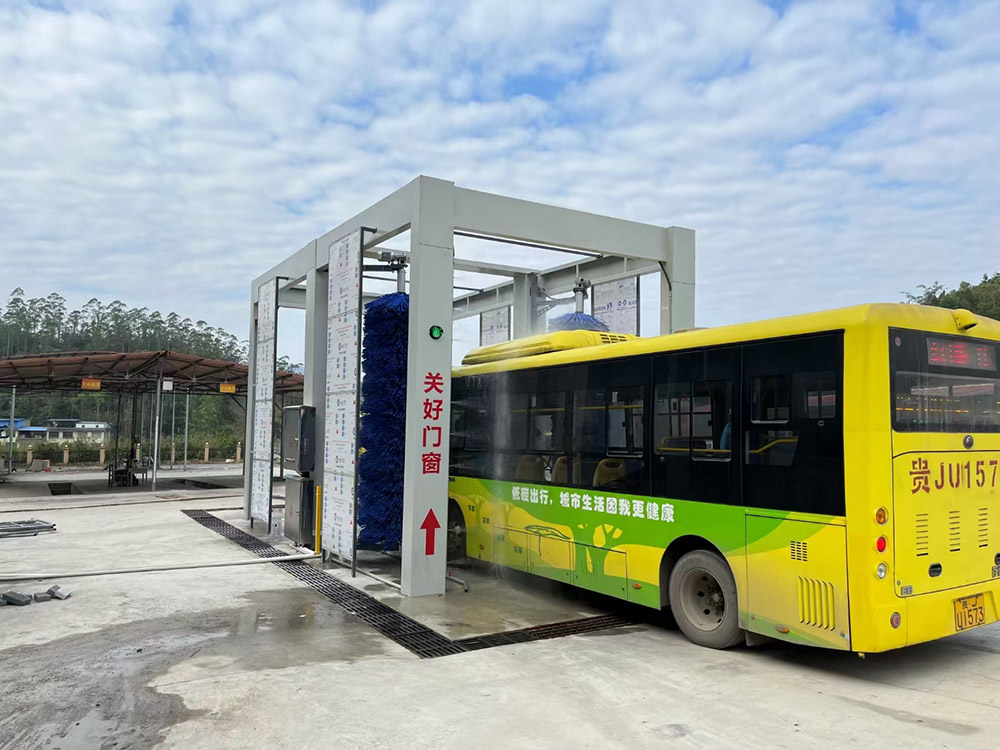
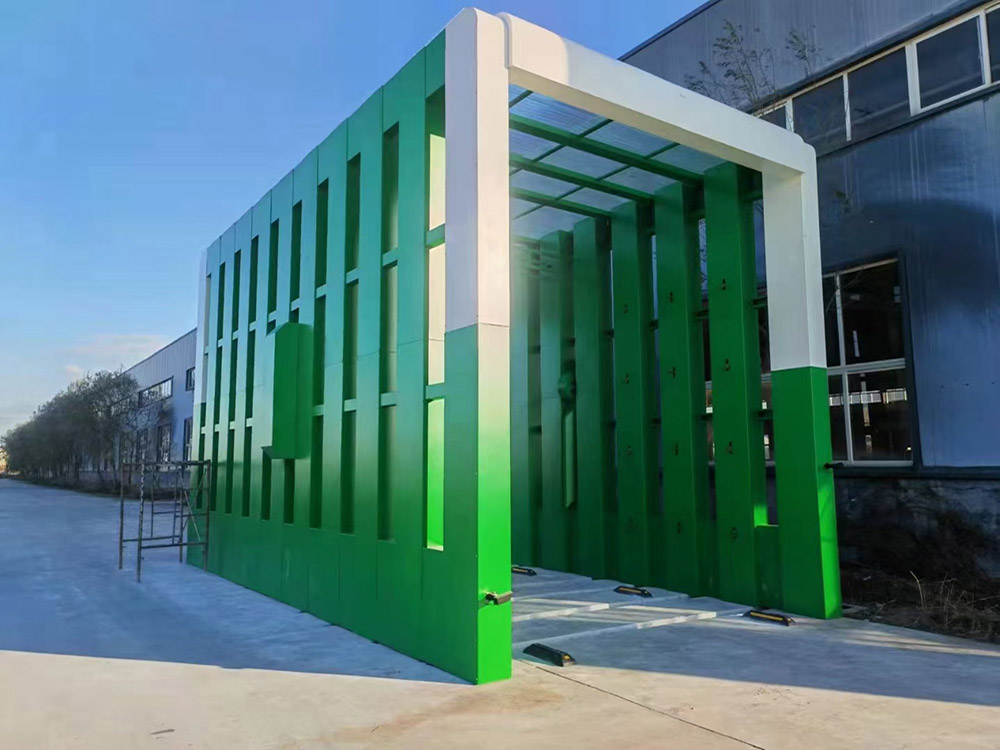
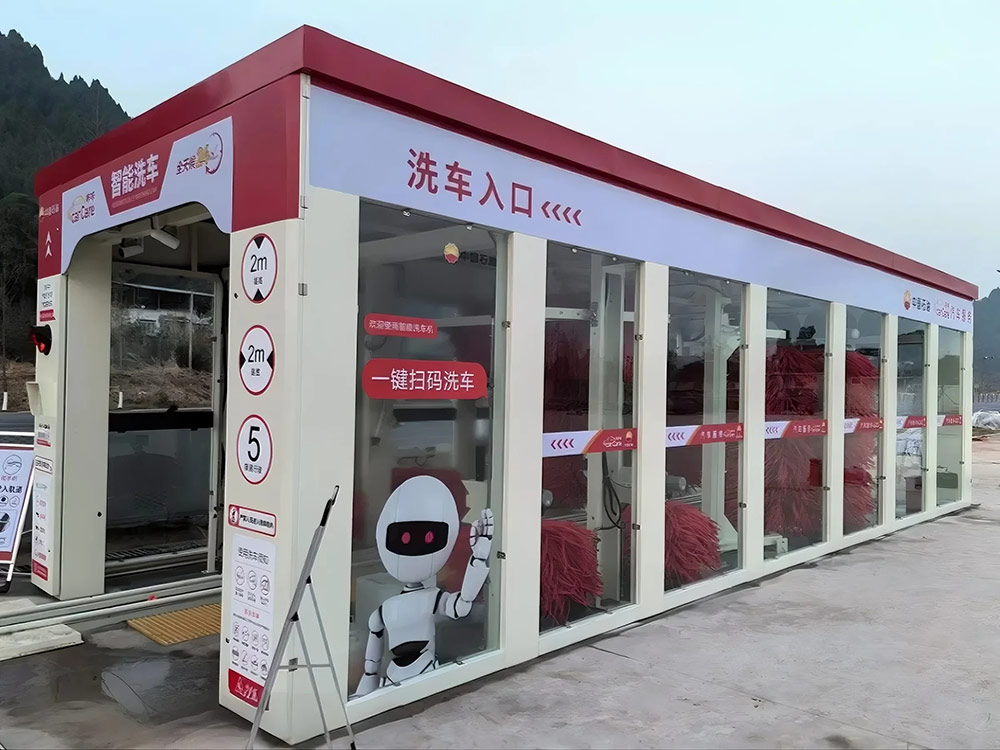
First, consider upfront costs and infrastructure requirements. Tunnel car washing machines typically have higher initial costs, with equipment and installation ranging from $1.5 million to $2 million or more. They also require more space, needing a tunnel length of 80 to 120 feet, which may require significant property expansion or renovation. In contrast, in-bay automatic systems are more cost-effective upfront, with equipment and installation usually under $200,000. They require minimal space—typically 30×40 feet—making them ideal for smaller locations, such as gas stations or convenience stores, where space is limited.
Throughput capacity is a key factor in profitability, as it determines how many customers you can serve in a given time. Tunnel systems are designed for high-volume operations, processing 120+ vehicles per hour. This makes them ideal for busy locations with high traffic, such as urban areas, highway exits, or shopping centers, where long lines are common. In-bay automatic systems, on the other hand, process only 15-20 vehicles per hour, as they require the vehicle to remain stationary while the equipment moves around it. This lower throughput is better suited for locations with moderate traffic, where customers are looking for quick, convenient washes while running errands.
Operating costs also play a significant role in profitability. Tunnel systems have higher ongoing costs, including higher water and energy consumption, due to their larger size and higher throughput. They also require more maintenance, as there are more moving parts and components. However, these higher costs are often offset by higher revenue from increased throughput. In-bay automatic systems have lower operating costs, with lower water and energy usage and less maintenance required. They also require fewer staff, as they are fully automated, reducing labor costs. For businesses with limited cash flow, the lower operating costs of in-bay systems may be more appealing.
Revenue potential varies based on pricing strategy and customer demand. Tunnel systems allow for premium pricing, as they offer faster service and more customizable options, such as waxing, polishing, and undercarriage cleaning. Many tunnel car washes also offer membership programs, which provide recurring revenue and help stabilize cash flow during slow seasons. In-bay automatic systems are typically priced lower, targeting customers looking for a basic, affordable wash. While they may have lower per-wash revenue, their convenience can attract impulse purchases, such as customers stopping for gas and getting a quick wash.
Finally, consider long-term scalability. Tunnel systems are more scalable, with modular designs that allow for upgrades and expansions as your business grows. You can add additional cleaning stages, upgrade to more advanced components, or extend the tunnel to handle more vehicles. In-bay systems, however, have limited scalability, as their design is fixed. If your business grows beyond the system’s capacity, you may need to install additional bays, which can be costly and space-consuming.
In conclusion, the profitability of tunnel vs. in-bay automatic systems depends on your business’s specific circumstances. Tunnel systems are more profitable for high-traffic locations with the space and budget to support them, offering higher throughput and premium revenue opportunities. In-bay automatic systems are more profitable for smaller locations with moderate traffic, providing lower upfront and operating costs and convenient service for impulse customers. By carefully evaluating your location, traffic volume, budget, and target market, you can choose the system that maximizes profitability for your business.
 English
  German
  French
  Portuguese
  Japanese
  Russian
  Italian
  Spanish
  Arabic