
The Ultimate Guide to Wheel Wash Machine for Landfill Sites: Efficiency and Environmental Benefits
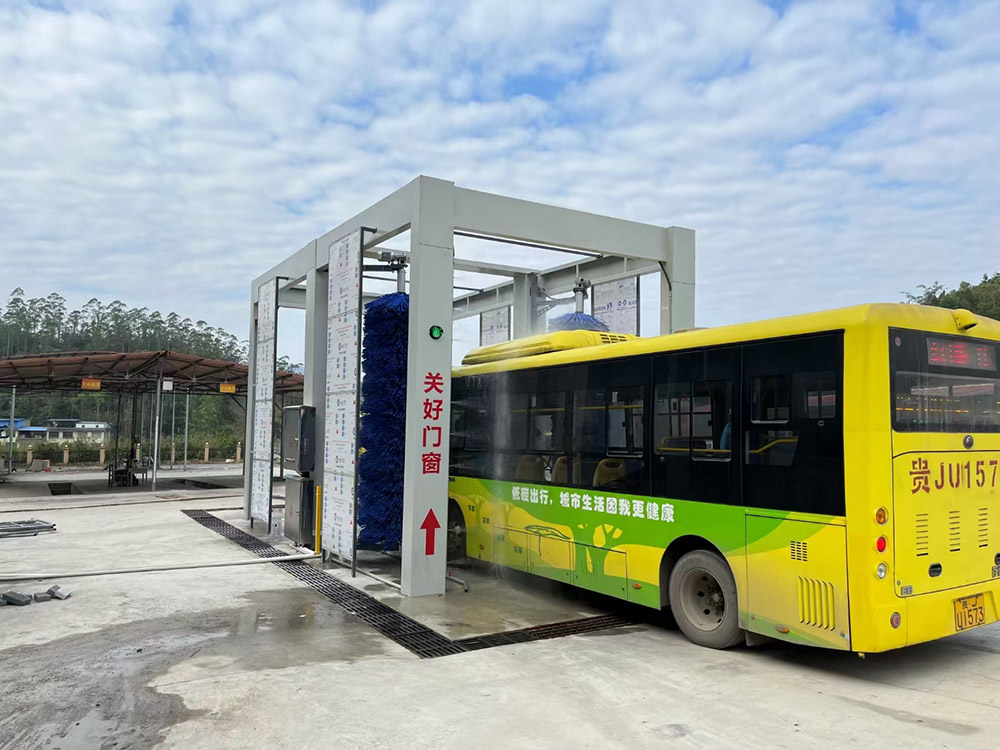
What exactly is a wheel wash machine and why has it become essential for modern landfill operations? These powerful systems are designed to remove mud, debris, and contaminants from vehicle wheels before they exit landfill sites, preventing the spread of pollutants to public roads. As landfill regulations become increasingly stringent, these machines have evolved from optional equipment to critical infrastructure for maintaining compliance and environmental stewardship.
How do wheel wash systems enhance operational efficiency? The answer lies in their ability to streamline site management while reducing manual labor. Automated wheel washers can process dozens of vehicles per hour, significantly decreasing wait times at exit points. Modern systems utilize high-pressure water jets and advanced cleaning mechanisms that ensure thorough wheel and undercarriage cleaning with minimal human intervention. This automation allows landfill operators to redirect staff resources to more critical tasks while maintaining consistent cleaning standards.
What environmental benefits do these systems provide? The most significant advantage is sediment control. By preventing tracked mud and debris from leaving the site, wheel washers reduce the introduction of pollutants into stormwater systems and local waterways. Additionally, many modern systems incorporate water recycling technologies that can reduce water consumption by up to 90% compared to traditional methods. Closed-loop filtration systems capture and reuse water, while chemical treatment processes ensure the recycled water maintains effective cleaning properties.
How can landfill operators select the most appropriate wheel wash system for their specific needs? Several factors must be considered, including site traffic volume, soil conditions, available space, and climate. High-traffic facilities may require high-throughput systems with multiple wash bays, while smaller operations might benefit from compact, modular designs. The choice between fixed and portable systems depends on whether the equipment needs to remain stationary or be relocated as landfill cells expand and close.
Implementing an effective wheel wash program requires more than just installing equipment. One operator shared their experience: “We initially underestimated the importance of proper site preparation. After experiencing drainage issues during heavy rain, we redesigned the surrounding area with adequate slope and retention basins. This simple modification improved both the effectiveness of our wheel wash system and overall site drainage.”
Looking ahead, the future of wheel wash technology points toward smarter, more sustainable solutions. Integration with weigh systems and vehicle tracking software creates a comprehensive management approach, while advancements in water treatment technologies continue to reduce environmental impact. As landfill operators face increasing pressure to minimize their ecological footprint, wheel wash machines stand as a testament to how technological innovation can drive both operational efficiency and environmental responsibility.



 English
  German
  French
  Portuguese
  Japanese
  Russian
  Italian
  Spanish
  Arabic