
Enhance Your Fleet with a Fixed Truck Wheel Wash Facility
Maintaining a professional and efficient fleet is crucial for businesses that rely on transportation for their operations. One often overlooked aspect of fleet management is the condition of truck wheels. Dirty wheels not only affect the aesthetic appeal of your vehicles but can also lead to increased maintenance costs and potential safety hazards. This is where a fixed truck wheel wash facility can make a significant difference. But what exactly are the benefits, and how can it enhance your fleet operations?
What Are the Challenges of Dirty Truck Wheels?

Dirty wheels can pose several challenges for fleet operators. First and foremost, they can significantly reduce the visibility of truck drivers, especially during adverse weather conditions. Mud, grime, and salt can obscure the wheels and tires, making it harder for drivers to see road signs and obstacles. Additionally, dirty wheels can lead to uneven tire wear, which can shorten the lifespan of your tires and increase maintenance costs.
Another issue is the impact on the overall appearance of your fleet. A clean fleet reflects positively on your business, creating a better impression on clients and customers. On the other hand, a fleet with dirty wheels can give the impression of neglect and poor maintenance, which can harm your brand reputation.
How Can a Fixed Truck Wheel Wash Facility Help?
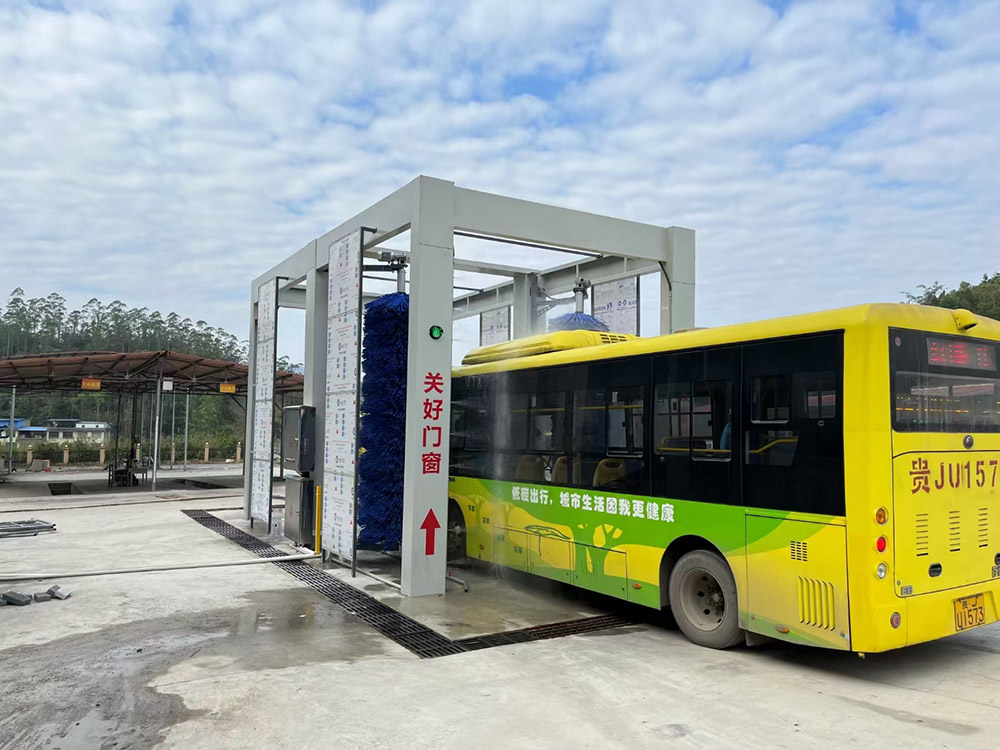
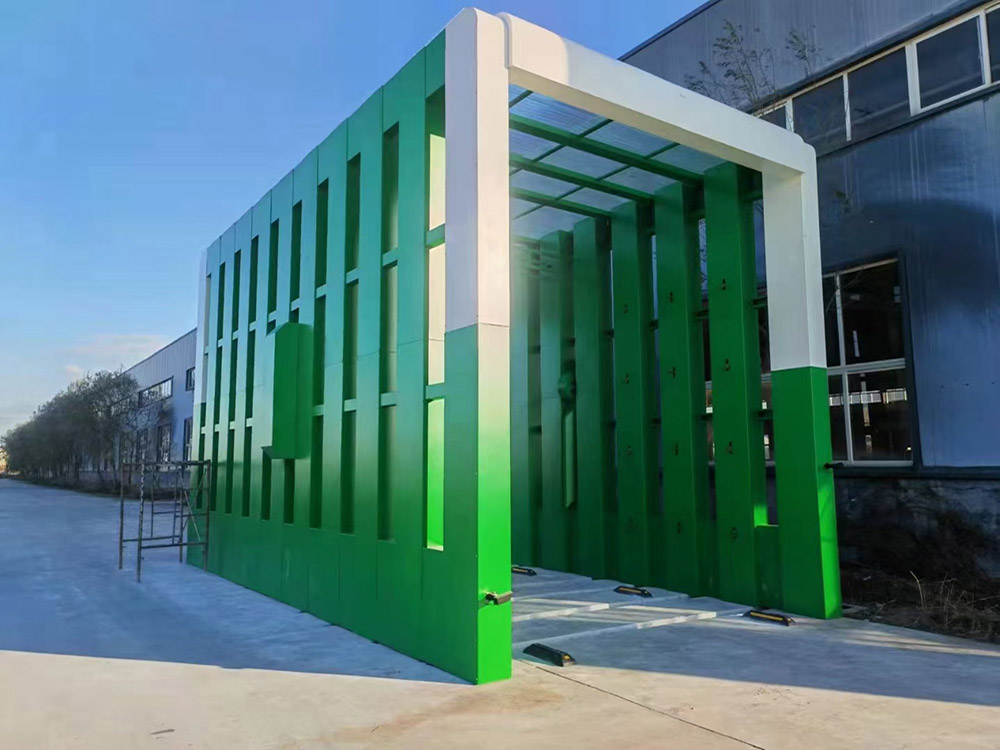
A fixed truck wheel wash facility offers a convenient and efficient solution to keep your fleet’s wheels clean. These facilities are designed to provide thorough cleaning without the need for manual labor, saving time and reducing the workload on your maintenance team. By automating the cleaning process, you can ensure that every vehicle in your fleet receives consistent and high-quality cleaning.
Key Benefits of a Fixed Truck Wheel Wash Facility
- Improved Safety: Clean wheels enhance visibility for drivers, reducing the risk of accidents, especially in wet or snowy conditions.
- Extended Tire Lifespan: Regular cleaning helps prevent uneven tire wear, ensuring that your tires last longer and saving you money on replacements.
- Enhanced Aesthetic Appeal: A clean fleet creates a positive impression on clients and customers, reinforcing your brand’s image of professionalism and attention to detail.
- Reduced Maintenance Costs: By keeping wheels clean, you can minimize the need for frequent repairs and replacements, leading to lower maintenance expenses.
- Increased Efficiency: Automated cleaning processes free up your staff to focus on other critical tasks, improving overall fleet operations.
How to Implement a Fixed Truck Wheel Wash Facility
Implementing a fixed truck wheel wash facility involves several steps. First, you need to assess the size of your fleet and the frequency of cleaning required. Next, you should research different types of wheel wash systems available and choose one that meets your specific needs. Once you have selected the right system, you will need to plan the installation and ensure that it is integrated seamlessly into your existing operations.
Tips for Choosing the Right Wheel Wash System
- Consider the Size of Your Fleet: Larger fleets may require more robust systems to handle high volumes of vehicles.
- Evaluate the Cleaning Method: Look for systems that use eco-friendly and efficient cleaning methods to minimize water usage and environmental impact.
- Check for Compatibility: Ensure that the system is compatible with your existing infrastructure and can be easily integrated into your facility.
- Read Reviews and Testimonials: Research different providers and read reviews from other fleet operators to gauge the effectiveness and reliability of the system.
Sharing Best Practices
Sharing best practices with other fleet operators can be incredibly beneficial. Many industry professionals have found that regular maintenance schedules, combined with the use of fixed truck wheel wash facilities, significantly improve fleet performance. For example, some companies have implemented a daily cleaning routine for their trucks, ensuring that they are always in top condition. Others have integrated wheel washing into their pre-trip and post-trip inspections, making it a standard part of their maintenance process.
By sharing these practices, fleet operators can learn from each other’s experiences and find innovative ways to enhance their operations. Industry forums, conferences, and social media groups are great platforms for exchanging ideas and best practices.
Conclusion
A fixed truck wheel wash facility is a valuable investment for any fleet operator looking to improve safety, efficiency, and the overall appearance of their vehicles. By addressing the challenges posed by dirty wheels and implementing a comprehensive cleaning solution, you can enhance your fleet’s performance and create a positive impression on your clients and customers. Whether you choose an automated system or a manual approach, regular wheel cleaning is essential for maintaining a professional and reliable fleet.



 English
  German
  French
  Portuguese
  Japanese
  Russian
  Italian
  Spanish
  Arabic