
For fleet managers considering investing in a bus washer machine, there are often many questions about the equipment, its functionality, costs, and maintenance. Having clear answers to these common questions is essential for making an informed decision and ensuring that the machine meets your fleet’s specific needs. This article addresses the most frequently asked questions about bus washer machines, providing practical, professional answers to help fleet managers navigate the selection and operation process.
Q: What type of bus washer machine is best for my fleet?
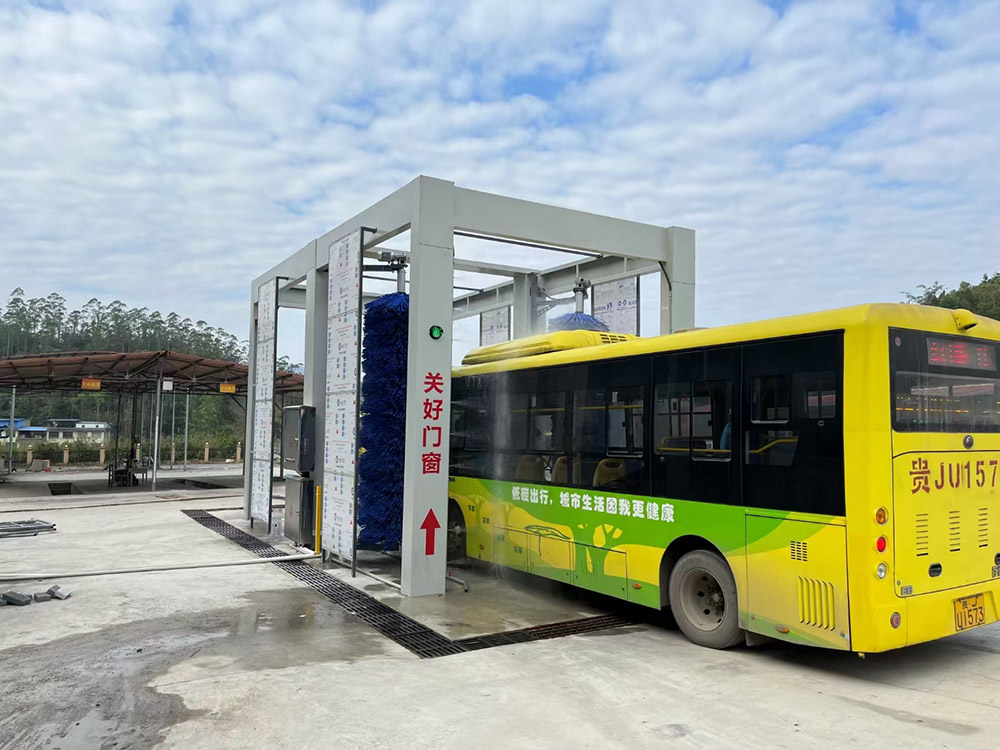
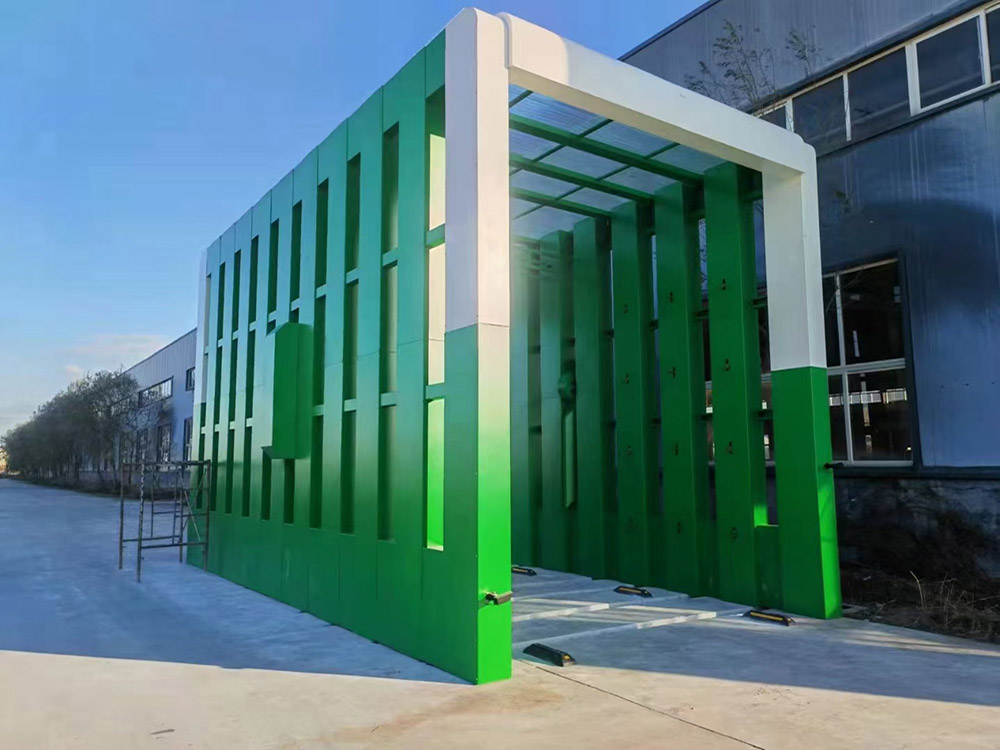
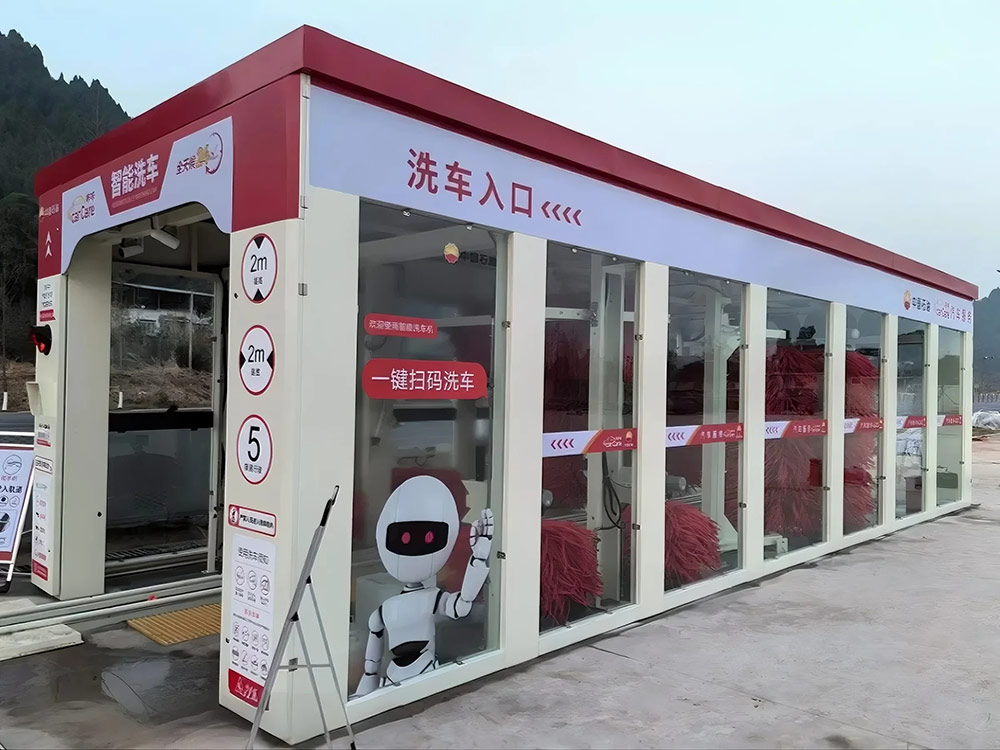
A: The best type of bus washer machine for your fleet depends on several factors, including your fleet size, cleaning volume, available space, and cleaning requirements. For large fleets with high cleaning volumes (e.g., public transit agencies), a drive-through automated system is ideal, as it offers fast, efficient cleaning with minimal manual intervention. For small to medium-sized fleets or those with limited space, a stationary model provides a balance of efficiency and space savings. Mobile bus washer machines are best for fleets that require flexibility, such as those with multiple locations or occasional cleaning needs. If your fleet operates in harsh environments (e.g., salted roads, heavy dust), consider a machine with undercarriage cleaning capabilities to prevent corrosion. Evaluate your specific needs—including the size of your buses, frequency of cleaning, and desired level of automation—to determine the best fit.
Q: How much water does a bus washer machine use?
A: Water usage varies depending on the type of machine and its design. Standard stationary or drive-through models typically use 100-300 gallons of water per bus, while mobile models may use 50-150 gallons per bus. However, water-efficient models with recirculation systems can reduce water usage by 60-80% by filtering and reusing water. The amount of water used also depends on the level of cleaning required—deep cleaning or removing heavy dirt will use more water than a basic surface clean. To minimize water costs and environmental impact, look for machines with water-saving features, such as variable water pressure settings and recirculation systems. Local water regulations may also influence your choice, so it’s important to ensure that the machine complies with regional water usage standards.
Q: Are bus washer machines easy to operate?
A: Most modern bus washer machines are designed to be user-friendly, with intuitive control panels and automated features that simplify operation. Automated drive-through or stationary models require minimal training—operators typically only need to position the bus correctly and select the desired cleaning program. Manual or mobile models may require more hands-on operation, but they still come with clear instructions and simple controls. Manufacturers often provide training materials or on-site training to help staff learn how to operate the machine safely and effectively. Additionally, many machines include safety features such as sensors that detect obstacles, preventing damage to the bus or the machine. With proper training, most staff can operate a bus washer machine efficiently within a short period.
Q: How often should I maintain my bus washer machine?
A: The frequency of maintenance depends on the type of machine, frequency of use, and operating conditions, but a regular maintenance routine is essential for optimal performance and longevity. Daily maintenance tasks include cleaning the machine’s components (brushes, nozzles, filters) to prevent clogs, inspecting for leaks or damage, and draining any standing water. Weekly or monthly tasks may include lubricating moving parts, checking electrical connections, and testing sensors and controls. Quarterly or annual maintenance should include a comprehensive inspection of all components, replacing worn parts (e.g., brushes, hoses, seals), and descaling to remove mineral buildup (especially in hard water areas). Refer to your machine’s user manual for a manufacturer-recommended maintenance schedule, and keep detailed records of all maintenance activities to track performance and identify potential issues early.
Q: What is the total cost of ownership for a bus washer machine?
A: The total cost of ownership includes more than just the initial purchase price—it also encompasses installation, operational, maintenance, and repair costs, as well as the machine’s lifespan. Initial purchase prices range from $5,000-$20,000 for mobile models, $15,000-$50,000 for stationary models, and $50,000-$200,000 for drive-through systems. Installation costs can add $1,000-$50,000 depending on the complexity (e.g., site preparation, plumbing, electrical work). Operational costs include water, energy, and cleaning supplies, which typically range from $0.50-$2.00 per bus cleaned. Maintenance and repair costs average $500-$5,000 per year, depending on the machine’s type and usage. A high-quality machine with proper maintenance can last 10-15 years, so calculating the annual cost of ownership (total costs divided by lifespan) is a better indicator of value than the initial purchase price alone.
Q: Can bus washer machines damage my buses?
A: When used correctly, bus washer machines are designed to clean buses safely without causing damage. However, improper use or poorly maintained machines can lead to scratches, dents, or other damage. To prevent damage, ensure that the machine is properly calibrated for the size and type of your buses—many modern machines use sensors to detect the bus’s dimensions and adjust the cleaning path accordingly. Avoid using excessive water pressure, especially on older buses or those with delicate surfaces. Regularly inspect and replace worn brushes, as frayed or damaged brushes can scratch the bus’s exterior. Follow the manufacturer’s instructions for use, including recommended cleaning solutions (avoid harsh chemicals that can damage paint or metal). With proper operation and maintenance, bus washer machines are a safe and effective way to clean your fleet.
Q: Do bus washer machines require specialized plumbing or electrical systems?
A: The plumbing and electrical requirements depend on the type of machine. Mobile models typically require only a standard water hose connection and a 120V or 240V power supply, making them easy to set up in most locations. Stationary models may require more specialized plumbing, such as a dedicated water line and drainage system, and a 240V power supply. Drive-through systems have the most extensive requirements, often needing large-capacity water lines, industrial-grade electrical systems (3-phase power), and a dedicated drainage and water recycling system. Before purchasing a machine, consult with a qualified plumber and electrician to assess your facility’s existing infrastructure and determine if any upgrades are needed. The manufacturer can also provide detailed specifications for plumbing and electrical requirements to ensure compatibility.
Q: Can bus washer machines clean the interior of buses?
A: Most standard bus washer machines are designed for exterior cleaning only, focusing on the sides, front, rear, and undercarriage. However, some specialized models offer interior cleaning capabilities, such as cleaning seats, floors, and windows. These machines may include attachments such as handheld steam cleaners, vacuum systems, or high-pressure wands for interior surfaces. If interior cleaning is a priority for your fleet, look for machines that offer integrated interior cleaning features or are compatible with interior cleaning attachments. Keep in mind that interior cleaning typically requires additional time and labor, even with specialized equipment, and may use different cleaning solutions than exterior cleaning to avoid damaging interior materials (e.g., fabric seats, vinyl flooring).
Q: How long does it take to clean a bus with a washer machine?
A: Cleaning time varies depending on the type of machine, the level of cleaning required, and the size of the bus. Automated drive-through systems are the fastest, cleaning a full-size bus in 2-5 minutes. Stationary automated models take slightly longer, around 5-10 minutes per bus. Manual or mobile models are slower, with cleaning times ranging from 10-30 minutes per bus, depending on the operator’s speed and the level of dirt. The frequency of cleaning can also impact time—regular cleaning reduces the amount of dirt buildup, making each cleaning faster. For fleets with tight schedules, investing in an automated system can significantly reduce cleaning time and minimize downtime for buses.
By addressing these common questions, fleet managers can gain a clearer understanding of bus washer machines and make informed decisions that align with their fleet’s needs and budget. Whether you’re evaluating different machine types, calculating costs, or planning maintenance, having accurate, practical information is key to maximizing the value of your investment and keeping your fleet clean, reliable, and efficient.
 Russian
  English
  German
  French
  Portuguese
  Japanese
  Italian
  Spanish
  Arabic