
Wheel Wash for Heavy Haulage Trucks: The Ultimate Guide to Keeping Your Trucks Clean and Efficient
Heavy haulage trucks are the backbone of the transportation industry, carrying oversized and heavy loads across long distances. However, keeping these vehicles clean and well-maintained is essential not only for their longevity but also for operational efficiency. A clean wheel wash for heavy haulage trucks helps prevent corrosion, reduces maintenance costs, and ensures compliance with environmental and safety standards.
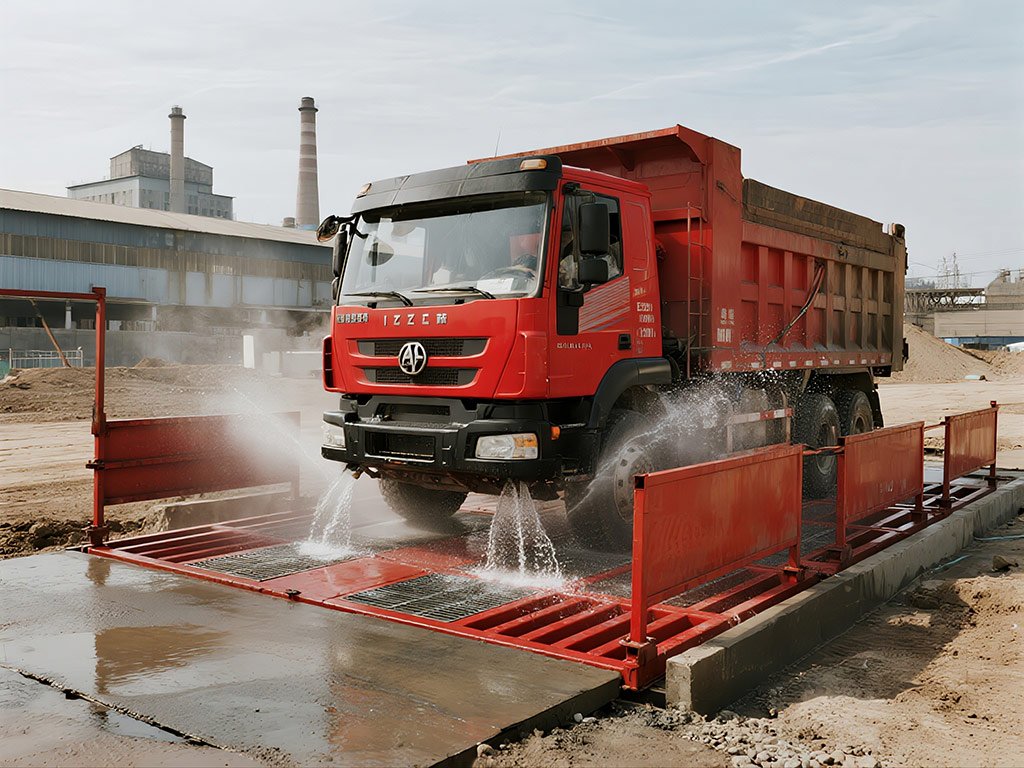
But how do you effectively clean heavy haulage trucks without compromising their performance? What are the best practices for wheel washing? And how can you maintain a clean fleet while staying cost-effective? This guide answers these questions and provides comprehensive insights into keeping your trucks in top condition.
Why Is Wheel Washing Important for Heavy Haulage Trucks?
Heavy haulage trucks often travel on rough terrain, carrying abrasive materials like construction aggregates, mining ores, or agricultural products. This exposure leads to rapid buildup of dirt, mud, grease, and other contaminants on the wheels and undercarriages. If not properly cleaned, these deposits can:
- Cause Corrosion: Salt, chemicals, and moisture trapped in brake drums and wheel bearings accelerate rust and deterioration.
- Reduce Traction: Mud and debris on tires can decrease grip, increasing the risk of accidents.
- Impede Braking Performance: Grease and grime buildup can hinder brake efficiency, leading to slower stopping times.
- Lead to Equipment Failure: Over time, neglected wheels and axles may require costly repairs or replacements.
Regular wheel washing not only improves safety but also extends the lifespan of your vehicles, saving money in the long run.
Common Challenges in Cleaning Heavy Haulage Trucks
Cleaning heavy haulage trucks presents unique challenges compared to smaller vehicles:
- Large Size and Weight: Most heavy haulers are too big to fit in standard wash bays, requiring specialized equipment.
- Difficult-to-Reach Areas: Wheels, suspension, and undercarriages are hard to clean without lifting the truck.
- Harsh Cleaners Needed: Standard detergents may not remove heavy grease, tar, or industrial sludge.
- Time Constraints: Fleet operators often need to minimize downtime between loads.
To overcome these challenges, businesses must invest in efficient wheel washing systems and establish a consistent cleaning routine.
The Ultimate Guide to Effective Wheel Washing
1. Choosing the Right Wheel Washing Equipment
For heavy haulage trucks, consider the following types of wheel washers:
- Mobile Truck Washers: Portable units that can be brought to the site, ideal for remote locations.
- Truck Wash Bays: Fixed installations with high-pressure sprayers and brushes, perfect for busy depots.
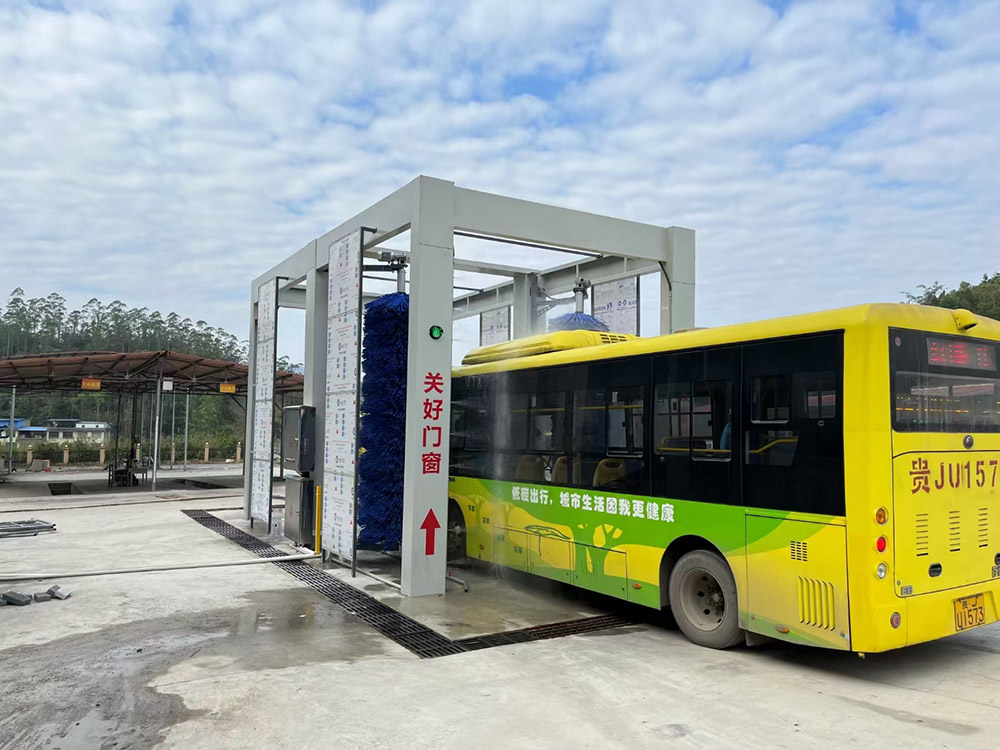
- Automated Wash Systems: High-capacity solutions that clean wheels and chassis simultaneously.
2. Using the Right Cleaning Agents
Heavy-duty trucks require specialized cleaners:
- Detergents: Heavy-duty degreasers break down oil and grease without damaging tires.
- Enzymatic Cleaners: Effective for organic matter like mud and sludge.
- Abrasive Blasting (for severe buildup): Useful for removing stubborn contaminants but should be done sparingly to avoid wheel damage.
3. Developing a Cleaning Schedule
To maintain optimal truck cleanliness:
- Pre-Load Wash: Clean trucks before each trip to remove contaminants before loading.
- Post-Load Wash: Wash trucks after each delivery to prevent buildup.
- Weekly Deep Clean: Conduct a thorough wash to address accumulated grime.
4. Safety Considerations
- Pressure Settings: Avoid excessive water pressure to prevent tire or wheel damage.
- Chemical Handling: Use protective gear when handling harsh cleaners.
- Environmental Compliance: Ensure runoff is managed to avoid soil contamination.
Cost-Effective Tips for Maintaining a Clean Fleet
Keeping a fleet of heavy haulage trucks clean can be expensive, but these strategies help:
- Regular Maintenance: Prevent minor dirt buildup before it becomes a major issue.
- Train Drivers: Encourage pre-trip inspections and reporting of cleaning needs.
- Lease vs. Buy Equipment: Evaluate the cost-benefit of purchasing vs. renting wheel washers.
Share Your Success Stories!
What are your favorite wheel washing techniques for heavy haulage trucks? Have you tried automated wash systems or mobile units? Share your insights in the comments below—we’d love to hear how you keep your fleet running smoothly!
By implementing the right wheel washing practices, you can ensure your heavy haulage trucks remain clean, efficient, and safe—reducing downtime and maximizing profits in the long term.




 Portuguese
  English
  German
  French
  Japanese
  Russian
  Italian
  Spanish
  Arabic