
In today’s fast-paced world, the fully automatic car wash machine has emerged as a game-changer in vehicle maintenance. Utilizing advanced computer programs, these machines can perform a wide range of tasks, including automatic cleaning, waxing, and air drying. As artificial intelligence continues to advance, it’s clear that it will increasingly replace human labor in various industries, and the automotive sector is no exception. With the rapid growth in car ownership, car washing has become an essential part of car maintenance. Consequently, the development prospects for automatic car wash machines are highly promising.
Currently, automatic car wash machines are primarily categorized into two types: brush-type fully automatic car wash machines and contactless automatic car wash machines.
The contactless car wash machine is a semi-automatic device that requires manual assistance for cleaning. Its cleaning effectiveness is relatively limited since high-pressure water alone cannot achieve the same level of thoroughness as brush cleaning. However, its simple machine structure makes it a cost-effective option for basic car washing needs. On the other hand, the brush-type fully automatic car wash machine is further divided into two subcategories based on the movement mechanism: the reciprocating car wash machine and the tunnel-type car wash machine.
During driving, vehicles accumulate a significant amount of dust on their paint surfaces due to air friction. Over time, this dust forms a layer that can cause sustained damage to the paint. While high-pressure water struggles to remove this layer, a brush-type car wash machine can effectively wash it away. Modern brushes are made of high composite materials, which minimize the risk of damage to car paint. Even manual car washing involves the friction of micro hard particles from towels against the car paint. In terms of control systems, domestic car wash machines commonly use PLC technology, while imported models often rely on CPU (microcontroller) technology. The PLC system is based on current sensing technology, where brushes detect the shape of the car body. In contrast, CPU technology employs computer photoelectric sensors to comprehensively scan vehicles, resulting in relatively higher safety performance.
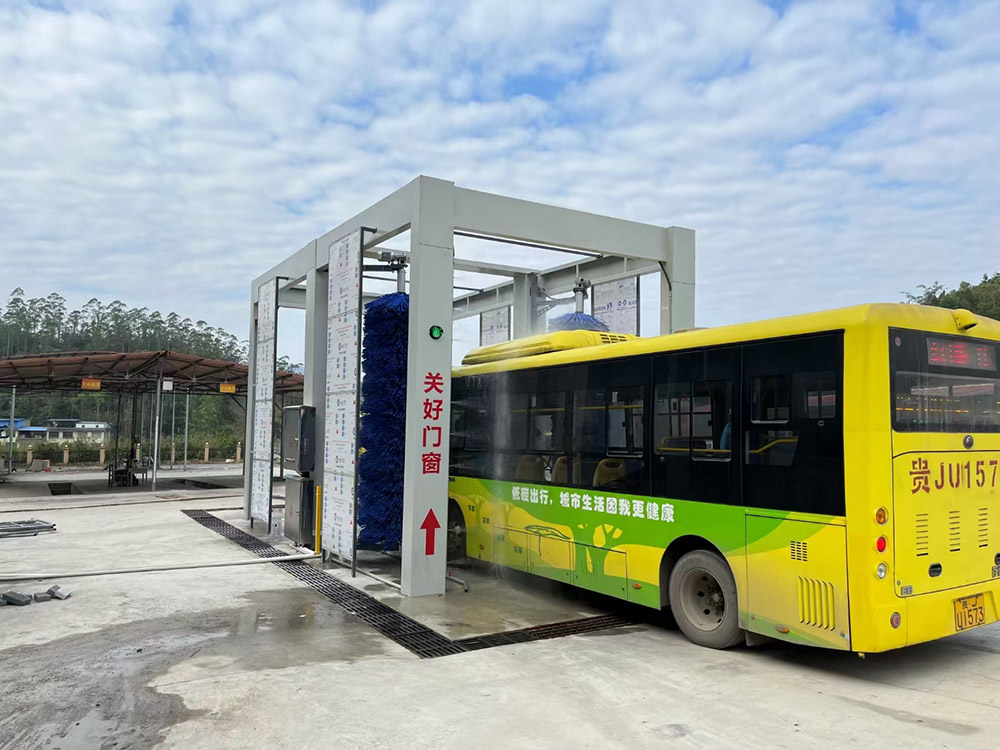
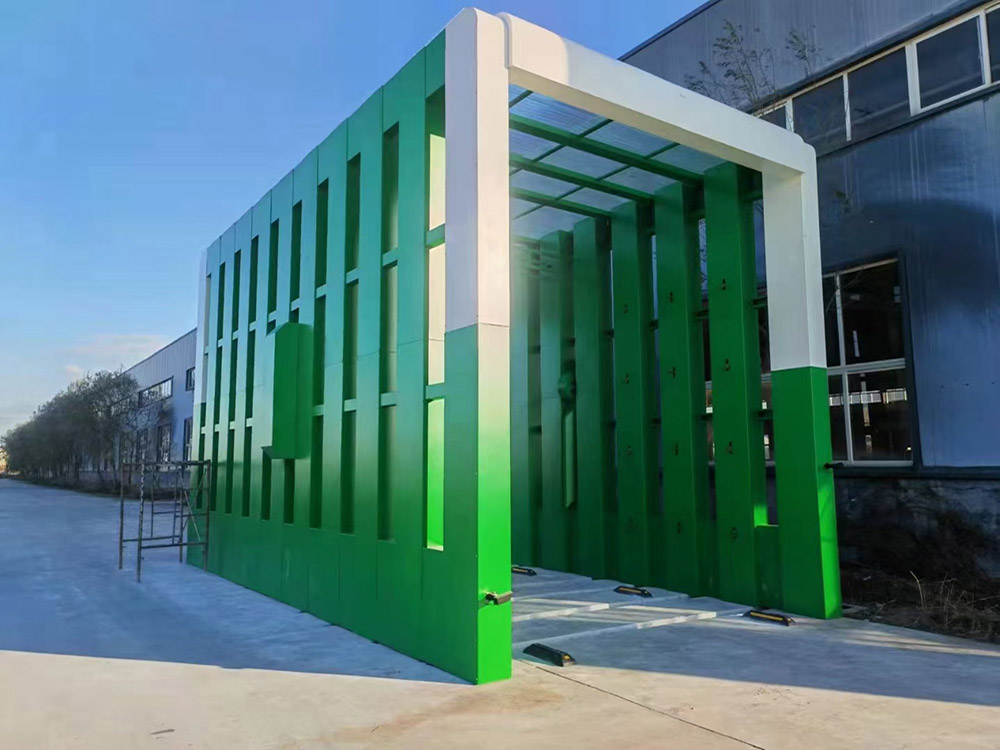
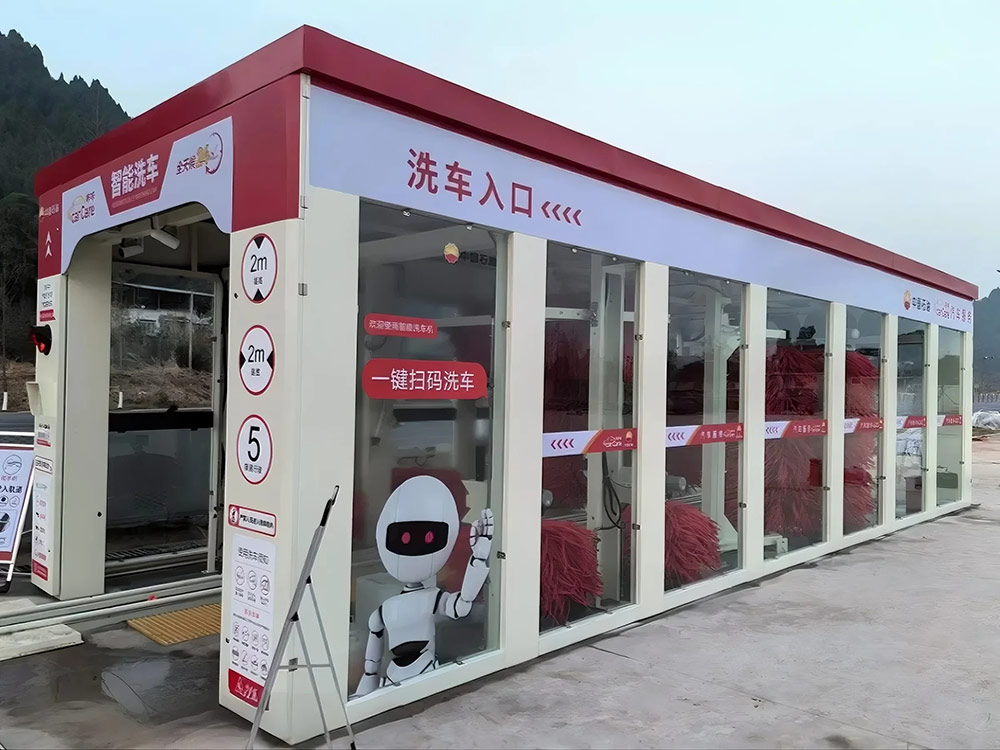
Tunnel-type car wash machines require an installation length of approximately 26 meters, making them ideal for locations with high daily car washing volumes, such as gas stations, open spaces, and residential areas. They offer significant economic benefits due to their fast washing speed of 1.5-3 minutes per car and the ability to wash 2-3 cars simultaneously. This greatly enhances work efficiency, reducing customer wait times and providing a better consumer experience. Reciprocating car wash machines, with an installation length of around 10-12 meters, are better suited for individual car beauty shops and small gas stations with limited space. They can wash one car at a time in 2-4 minutes. These machines have stringent requirements for the frame (with a tolerance of no more than 2 millimeters) as the machine’s movement path must be horizontal, demanding high production process standards from manufacturers.
Both types of car wash machines require substantial investment and specific site conditions. However, investing in automatic car wash machines not only generates economic returns from the machines themselves but also creates opportunities to sell related peripheral products as customer traffic increases. For instance, gas stations can boost fuel sales, while car beauty shops can increase the sale of car parts and beauty services.


 Portuguese
  English
  German
  French
  Japanese
  Russian
  Italian
  Spanish
  Arabic