
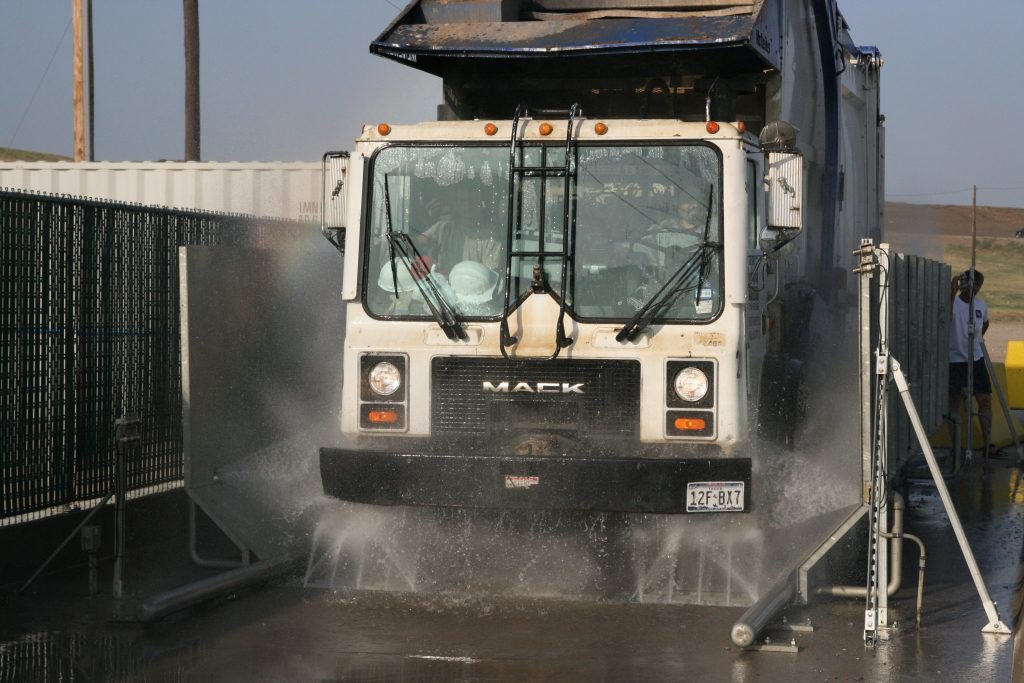
Anyone who’s passed a construction site has likely noticed the piles of mud and debris it generates. This grime easily clings to the tires of work vehicles, which then track it onto nearby public roads—creating environmental hazards and potential compliance headaches for contractors. A fixed wheel wash station is the permanent solution to this problem, ensuring every vehicle leaving the site has thoroughly cleaned tires.

This begs the question: does your site actually need one? The answer is clear—most local regulations mandate wheel washing whenever soil conditions (especially during rainy seasons) could lead to mud being tracked beyond the site boundary. It’s not an optional “add-on”; it’s a foundational requirement for site operations.
What Are the Key Compliance Requirements?
Whether it’s regulations from the U.S. Environmental Protection Agency (EPA) or local stormwater management rules, construction sites are almost universally required to implement effective sediment control measures. A fixed wheel wash station is often recognized as a “Best Management Practice (BMP)” for preventing sediment-laden water from leaving the site. Non-compliance comes with serious consequences: hefty fines, project delays, and even damage to your company’s reputation. That’s why every site manager should ask: “Does our wheel wash system actually meet current regulatory standards?”
How to Choose the Right Fixed Wheel Wash Station?
There’s no “one-size-fits-all” solution—choosing the right equipment depends on your site’s unique needs. Specifically, focus on these key factors: traffic volume, soil type, available space, and water supply. For example, high-traffic sites need systems with greater throughput capacity, while sites with heavy clay soils require more durable, powerful cleaning mechanisms. Additionally, systems with water recycling capabilities are well worth considering. For long-term projects, they drastically reduce water costs and environmental impact—making them a smart investment.
Best Practices for Installation and Maintenance
Proper installation is critical to effectiveness. Fixed wheel wash stations must be placed at all exit points, with adequate drainage systems to channel washed water into sediment basins or treatment facilities. And to keep the system running reliably long-term, regular maintenance is non-negotiable: daily checks for clogged nozzles, weekly filter replacements, and monthly full-system inspections. Many experienced contractors report that establishing a clear maintenance routine allows them to avoid most compliance risks before they even arise.
Beyond Compliance: The Business Case
In reality, a high-quality wheel wash system delivers benefits far beyond just “checking the compliance box.” It reduces costs for cleaning public roads, minimizes tire wear caused by trapped debris, and—perhaps most importantly—demonstrates your company’s environmental responsibility to clients and the community. Many businesses find that investing in quality wheel wash equipment leads to smoother interactions with regulatory agencies and a stronger reputation in the industry—intangible assets that money can’t buy.
At the end of the day, a properly installed and maintained fixed wheel wash station is more than just an environmental “must-have”—it’s a competitive advantage. By understanding regulatory requirements and selecting equipment tailored to your site’s needs, construction teams can stay compliant while protecting both the environment and their bottom line.



 Portuguese
  English
  German
  French
  Japanese
  Russian
  Italian
  Spanish
  Arabic