
Exploring the Efficiency of Friction Car Wash Systems in Modern Cleaning
In the competitive world of automotive care, efficiency is paramount. As car owners seek the best ways to maintain their vehicles, friction car wash systems have emerged as a popular choice. But what exactly are friction car washes, and how efficient are they in modern cleaning? This article delves into these questions, exploring the benefits, challenges, and overall effectiveness of friction-based cleaning methods.
What Are Friction Car Wash Systems?
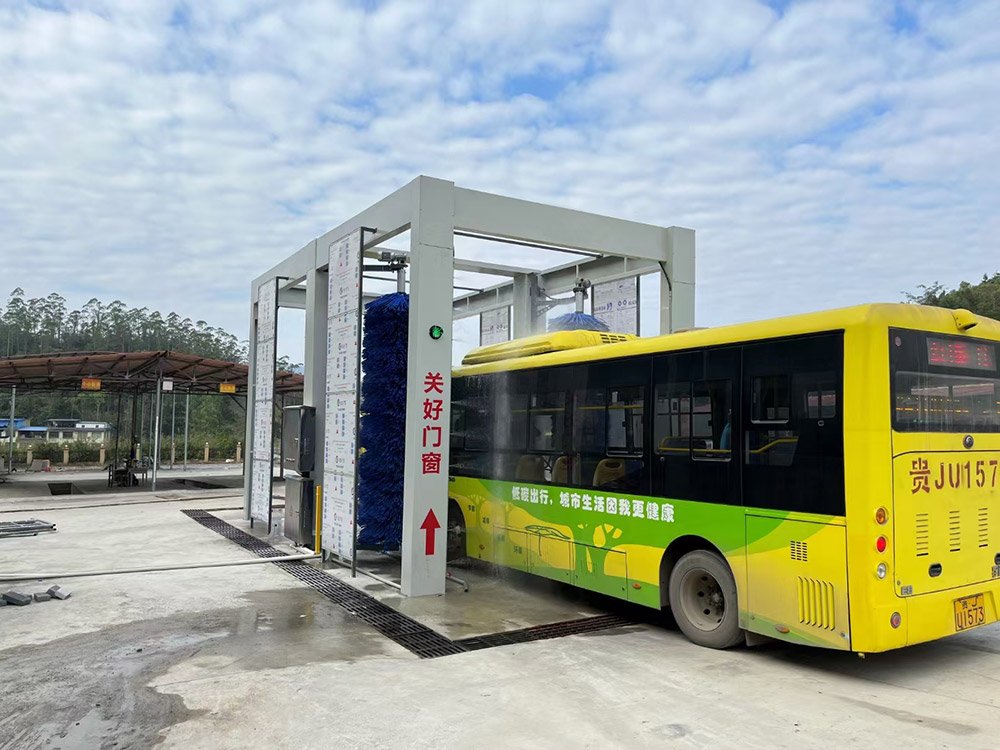
Friction car wash systems, also known as brushless or brush-based washes, use physical contact to remove dirt and grime from vehicles. Unlike automated, water-only washes, these systems incorporate brushes or other abrasive materials to scrub surfaces, ensuring a thorough clean. The friction generated during the washing process helps lift embedded dirt, making it an effective method for removing stubborn stains and buildup.
Key Components of Friction Car Wash Systems
- Brushes: The primary cleaning tool, brushes are designed to be gentle yet effective, using synthetic bristles to avoid scratching vehicle paint.
- Abrasives: Materials like polymer-based scrubbers are often used to enhance the cleaning power without causing damage.
- Water jets: High-pressure water is used to pre-rinse and post-rinse, ensuring no cleaning solution is left behind.
Efficiency in Modern Cleaning
One of the main advantages of friction car wash systems is their efficiency. These systems are designed to provide a deep clean that water-only methods cannot achieve. The physical contact between the vehicle’s surface and the cleaning tools ensures that dirt is lifted and removed, not just pushed around.
Benefits of Friction Car Wash Systems
- Thorough Cleaning: Friction-based washes are highly effective at removing embedded dirt, bird droppings, and tree sap, which can be particularly stubborn.
- Paint Protection: When properly designed, these systems can protect the vehicle’s paint by using soft brushes and avoiding harsh chemicals.
- Time Efficiency: Automated friction car washes can clean a vehicle quickly, making them suitable for high-volume operations like car dealerships and commercial facilities.
However, efficiency comes with potential challenges. One common question is: Are friction car washes too abrasive for certain vehicle finishes? The answer depends on the system’s design and the materials used. High-quality friction car washes are engineered to minimize the risk of scratching, but it’s essential to choose a reputable provider.
Considerações ambientais
Another critical aspect of modern car washing is environmental impact. Friction car wash systems must balance efficiency with sustainability. Many systems now incorporate water reclamation and biodegradable cleaning solutions to reduce their ecological footprint. This dual focus on cleaning and conservation makes them a viable option for eco-conscious businesses and consumers.
Sharing Insights
If you’re considering a friction car wash system for your business, here’s a valuable tip: Invest in high-quality brushes and regularly inspect them for wear. Worn-out brushes can become less effective and may even damage the vehicle’s surface. Regular maintenance ensures optimal performance and extends the life of your cleaning equipment.
The Future of Friction Car Wash Systems
As technology advances, friction car wash systems are becoming more sophisticated. Innovations like adaptive pressure control and smart brush systems are enhancing cleaning efficiency while reducing the risk of damage. These advancements suggest that friction car washes will remain a cornerstone of modern automotive cleaning.
Addressing Common Concerns
A frequently asked question is: How do friction car washes compare to touchless washes in terms of cleaning effectiveness? While touchless washes are gentler on the vehicle, they may not be as effective at removing heavy dirt or grime. Friction car washes offer a balance between cleaning power and protection, making them a preferred choice for many car owners.
Conclusão
Friction car wash systems are a highly efficient method for cleaning vehicles in modern settings. Their ability to remove stubborn dirt while protecting paint makes them a valuable investment for both commercial and residential use. By understanding their benefits, challenges, and environmental considerations, you can make an informed decision about incorporating friction-based cleaning into your automotive care routine.
Whether you’re a car dealership looking to enhance customer satisfaction or an individual seeking the best way to maintain your vehicle, friction car wash systems offer a compelling solution. With ongoing advancements in technology, these systems are poised to remain a leading choice in the automotive cleaning industry.




 Portuguese
  English
  German
  French
  Japanese
  Russian
  Italian
  Spanish
  Arabic