
Construction sites are dynamic, high-pressure environments where efficiency and compliance are paramount to success. From managing tight deadlines to adhering to strict environmental regulations, site managers face a host of challenges—and one often-overlooked solution that addresses multiple pain points is an engineering vehicle washer. Far beyond a simple “nice-to-have” accessory, a dedicated washer for construction vehicles offers tangible benefits that impact productivity, costs, equipment longevity, and regulatory compliance. In this article, we’ll explore why every construction site should invest in an engineering vehicle washer, highlighting the key advantages that make it a critical component of modern construction operations.
1. Ensures Compliance with Environmental Regulations
One of the most compelling reasons to invest in an engineering vehicle washer is to maintain compliance with federal, state, and local environmental regulations. Across the U.S., regulations governing water runoff and pollution are becoming increasingly stringent, with heavy fines and penalties for non-compliance. When construction vehicles leave the site covered in dirt, mud, oil, or chemicals, these contaminants can be tracked onto public roads or washed into storm drains, posing a threat to local waterways and ecosystems.
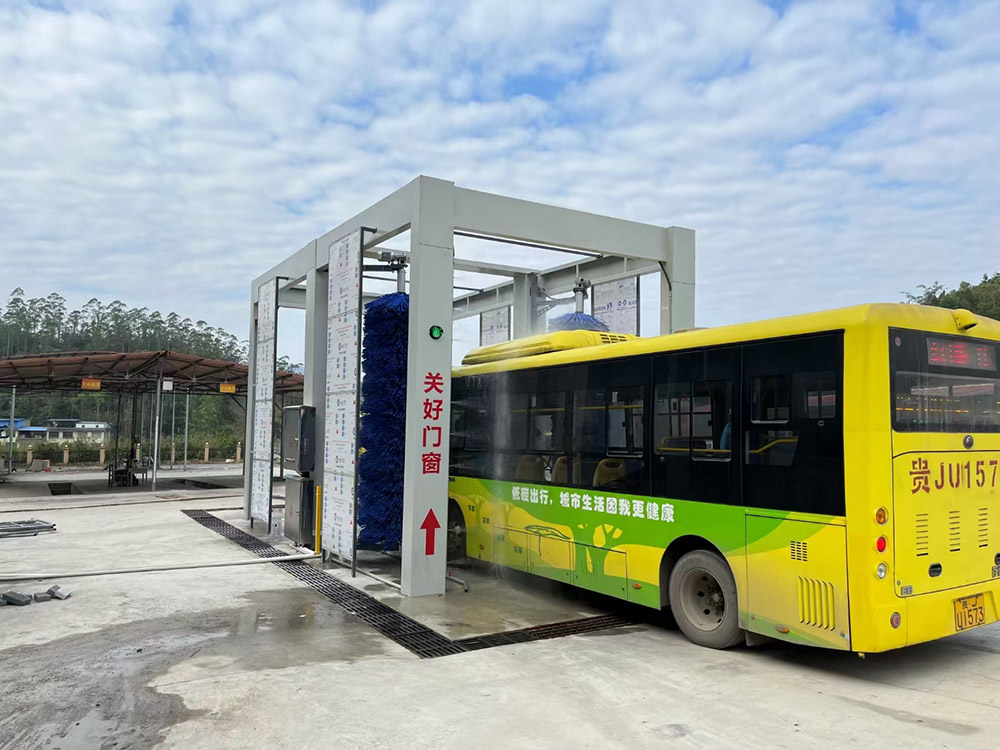
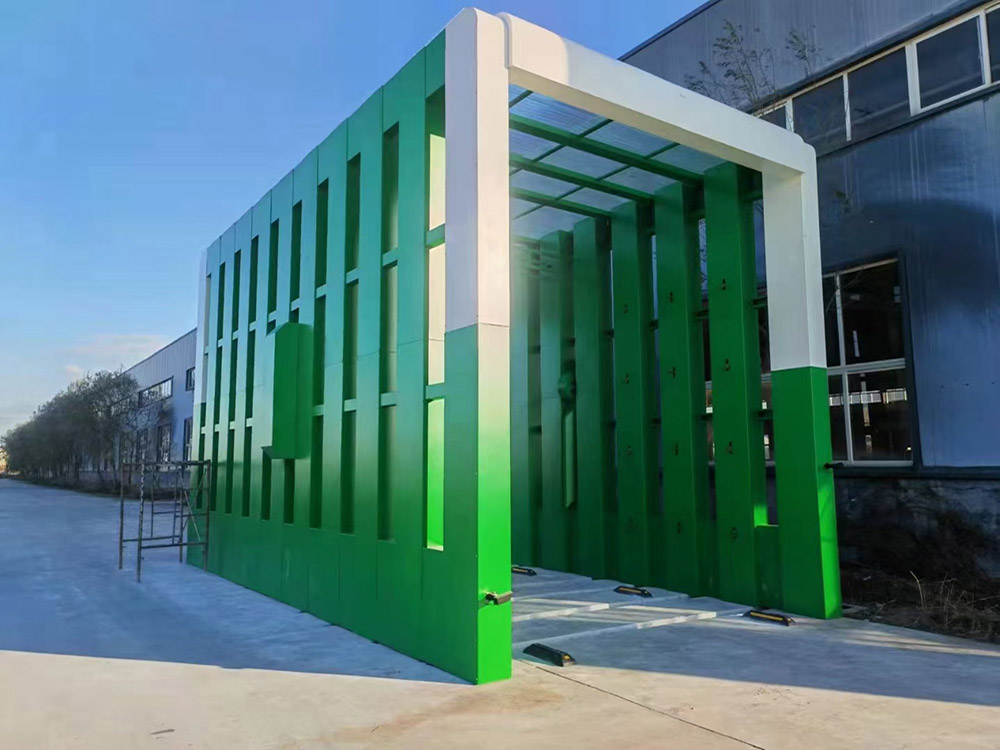
A dedicated engineering vehicle washer is designed to contain and treat wastewater, preventing pollutants from escaping the site. Many models feature built-in filtration or recycling systems that capture solids and remove contaminants, allowing water to be reused or safely discharged in accordance with local standards. By investing in a washer, site managers can avoid costly fines, legal disputes, and damage to their operation’s reputation—all while fulfilling their environmental responsibilities.
2. Boosts Operational Efficiency
Efficiency is the lifeblood of construction operations, and an engineering vehicle washer can significantly streamline daily workflows. Manual cleaning of construction vehicles—using hoses, buckets, and scrub brushes—is time-consuming, labor-intensive, and inefficient. A single heavy-duty vehicle can take hours to clean manually, tying up valuable labor resources that could be better spent on core construction tasks.
In contrast, a commercial-grade engineering vehicle washer can clean a large vehicle in a fraction of the time, with minimal labor required. Many models are semi-automatic or fully automatic, allowing operators to focus on other tasks while the washer does the work. This not only saves time but also reduces labor costs, as fewer workers are needed for cleaning duties. Additionally, clean vehicles operate more efficiently—dirt and debris can clog engine components, reduce fuel efficiency, and increase wear and tear, so regular cleaning helps keep the fleet running smoothly and minimizes downtime.
3. Extends the Lifespan of Construction Equipment
Construction equipment represents a significant investment, and protecting that investment is essential for long-term profitability. Dirt, mud, salt, and chemicals that accumulate on vehicles can cause corrosion, rust, and premature wear on critical components, such as engines, brakes, and hydraulic systems. Over time, this can lead to costly repairs, reduced equipment performance, and shortened lifespans.
Regular cleaning with an engineering vehicle washer removes these harmful contaminants before they can cause damage. By keeping vehicles clean, site managers can extend the lifespan of their equipment, reduce maintenance costs, and maximize the return on their investment. This is particularly important for equipment used in harsh environments, such as coastal areas (where saltwater can accelerate corrosion) or industrial sites (where chemicals may be present).
4. Improves Job Site Safety
Safety is a top priority on any construction site, and clean vehicles play a key role in maintaining a safe working environment. Dirt, mud, and debris on vehicle tires can reduce traction, increasing the risk of accidents on wet or uneven terrain. Additionally, dirty windshields, mirrors, and cameras can impair visibility, making it harder for operators to navigate the site and avoid hazards.
An engineering vehicle washer ensures that all critical areas of the vehicle—including tires, windows, and lights—are clean and functional, reducing the risk of accidents and injuries. Clean vehicles also contribute to a cleaner overall job site, as they don’t track mud and debris into work zones, which can create slippery surfaces or trip hazards. By prioritizing vehicle cleanliness, site managers can create a safer workplace for their team and reduce the risk of costly safety incidents.
5. Reduces Long-Term Costs
While investing in an engineering vehicle washer requires an upfront cost, it delivers significant long-term savings. As mentioned earlier, regular cleaning extends equipment lifespan and reduces maintenance costs by preventing corrosion and wear. Additionally, automated washers reduce labor costs compared to manual cleaning, as fewer hours are spent on cleaning tasks.
Water recycling systems, a common feature in modern engineering vehicle washers, also reduce water usage and lower utility bills. In regions where water is scarce or expensive, this can result in substantial savings over time. Furthermore, avoiding fines for environmental non-compliance can save thousands of dollars in potential penalties. When you add up these savings, an engineering vehicle washer quickly pays for itself and becomes a cost-effective investment for any construction site.
Conclusão
An engineering vehicle washer is far more than a luxury—it’s a practical, cost-effective solution that addresses key challenges facing modern construction sites. From ensuring compliance with environmental regulations to boosting efficiency, extending equipment lifespan, improving safety, and reducing long-term costs, the benefits of investing in a dedicated washer are clear. For site managers looking to streamline operations, protect their investment, and maintain a safe, compliant workplace, an engineering vehicle washer is an essential tool that delivers tangible results day in and day out.

 Portuguese
  English
  German
  French
  Japanese
  Russian
  Italian
  Spanish
  Arabic