
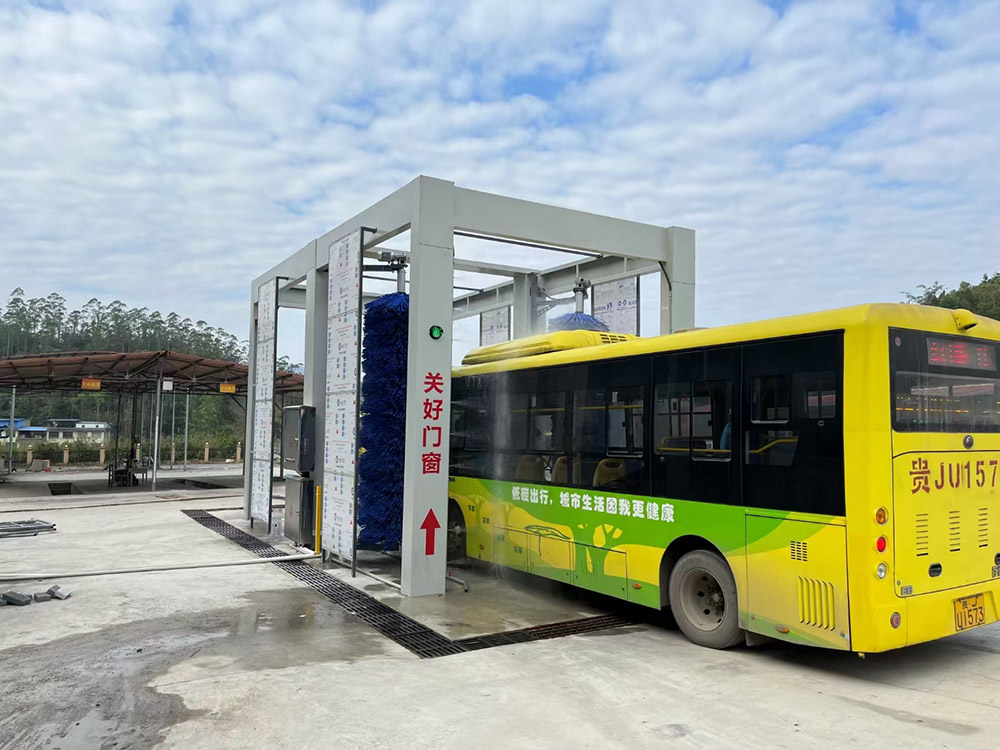
A rollover car wash machine is a significant investment for any car wash business, and proper maintenance is essential to protect that investment, extend the machine’s lifespan, and reduce costly downtime. Regular maintenance not only ensures the machine operates efficiently but also maintains consistent cleaning quality, which is critical for customer satisfaction and loyalty. Below are essential maintenance tips to help you keep your rollover car wash machine in optimal condition.
1. Establish a Routine Inspection Schedule: Regular inspections are the foundation of effective rollover car wash machine maintenance. Create a schedule that includes daily, weekly, monthly, and quarterly inspections to identify potential issues before they escalate into major problems. Daily inspections should focus on visible components, such as brushes, nozzles, hoses, and filters. Check for signs of wear and tear, such as frayed brushes, cracked hoses, or clogged nozzles, and replace or repair these components immediately. Weekly inspections should include checking fluid levels (such as oil, coolant, and hydraulic fluid), inspecting electrical connections for loose wires or corrosion, and testing safety features (such as emergency stop buttons and sensors). Monthly inspections should involve lubricating moving parts (such as motors, gears, and chains) to reduce friction and prevent premature wear. Quarterly inspections should be more comprehensive, including testing the machine’s performance, inspecting the frame for rust or damage, and cleaning internal components (such as pumps and reservoirs).
2. Properly Clean and Maintain Brushes: Brushes are one of the most critical components of a rollover car wash machine, and their condition directly impacts cleaning quality. Over time, brushes can become clogged with dirt, grime, and cleaning products, which reduces their effectiveness and can scratch vehicle surfaces. Clean the brushes daily using a high-pressure washer to remove debris. Additionally, inspect the brushes for wear—if the bristles are worn down to less than half their original length, replace them immediately. Rotate the brushes periodically to ensure even wear, and avoid using harsh chemicals that can damage the brush material. For machines with foam brushes, ensure they are properly hydrated to prevent drying out and cracking.
3. Maintain Fluid Systems: The fluid systems (including water, soap, wax, and hydraulic systems) are essential for the machine’s operation. Regularly check for leaks in hoses, fittings, and reservoirs, and repair any leaks immediately to prevent fluid loss and damage to other components. Clean or replace filters in the water and fluid lines monthly to prevent clogs that can reduce water pressure and affect cleaning performance. Monitor fluid levels daily and top them up as needed, using only high-quality fluids that are compatible with your machine. For hydraulic systems, check the pressure regularly to ensure it is within the manufacturer’s recommended range, as low or high pressure can damage the pump and other hydraulic components.
4. Keep Electrical Components in Good Condition: Electrical components, such as motors, sensors, and control panels, are vulnerable to water damage and corrosion. Inspect electrical connections weekly for loose wires, corrosion, or water intrusion, and clean or repair them as needed. Keep the control panel dry and free of debris, and avoid using water or cleaning products near electrical components. Test sensors regularly to ensure they are functioning properly—sensors that are not working correctly can cause the machine to malfunction or pose safety risks. If you notice any electrical issues (such as flickering lights, unusual noises from motors, or error codes on the control panel), stop using the machine immediately and contact a qualified technician for repairs.
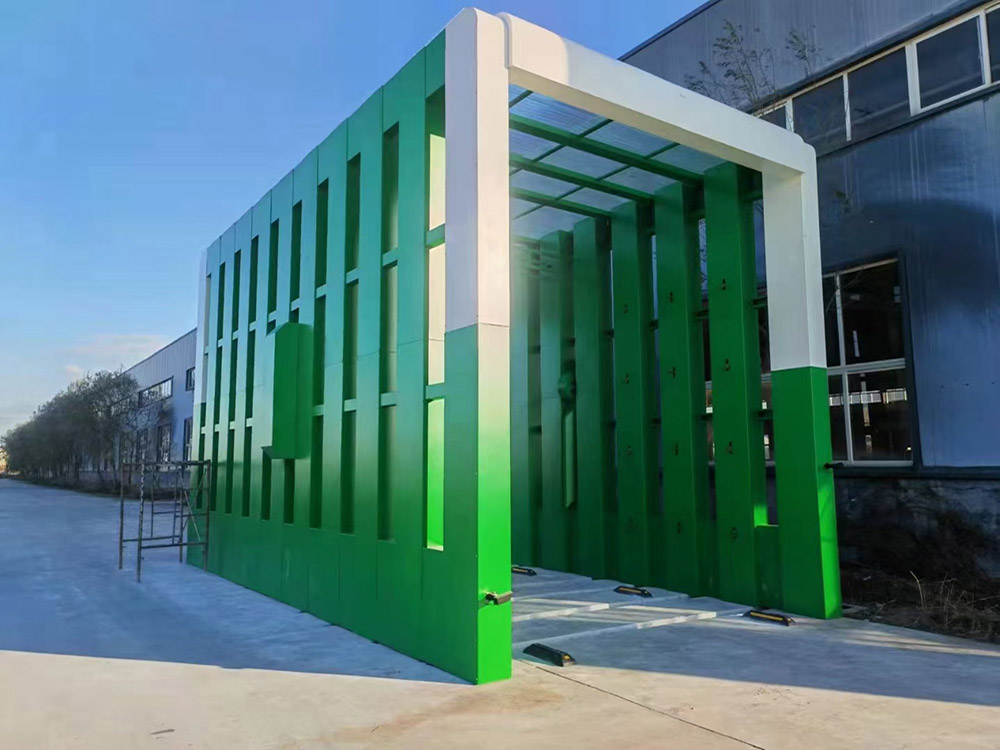
5. Protect the Machine from the Elements: If your rollover car wash machine is installed outdoors, it is exposed to harsh weather conditions (such as rain, snow, ice, and extreme temperatures) that can damage components and reduce lifespan. Protect the machine with a weatherproof cover when not in use, especially during severe weather. Regularly remove snow, ice, and debris from the machine to prevent damage to moving parts. For machines in areas with freezing temperatures, ensure the water lines are properly insulated and drained during cold weather to prevent freezing and bursting. Additionally, apply a rust-resistant coating to the frame and other metal components annually to prevent corrosion.
6. Train Staff on Proper Operation and Maintenance: Your staff plays a critical role in maintaining your rollover car wash machine. Provide comprehensive training on proper operation, including how to select wash packages, monitor the machine during operation, and identify signs of malfunction. Train staff on basic maintenance tasks, such as daily inspections, cleaning brushes, and checking fluid levels. Encourage staff to report any issues immediately, rather than continuing to use the machine, which can cause further damage. Regularly refresh staff training to ensure they are up-to-date on best practices and safety procedures.
In summary, proper maintenance of your rollover car wash machine requires a proactive approach, including routine inspections, proper cleaning and maintenance of components, and staff training. By following these essential tips, you can extend the machine’s lifespan, reduce downtime, and ensure consistent cleaning quality, protecting your investment and maximizing your business’s profitability.



 Japanese
  English
  German
  French
  Portuguese
  Russian
  Italian
  Spanish
  Arabic