
To meet the increasingly stringent environmental protection regulations, customized washing equipment has become a key solution for construction sites. Here’s how it significantly enhances environmental compliance:
1. Targeted Design for Construction Vehicle Contamination
Construction vehicles are often caked with heavy mud, oil stains, and construction debris, posing a significant threat to the environment if not properly cleaned. Customized washing equipment is engineered to address these specific contaminants. High – pressure nozzles are strategically placed to reach every nook and cranny of large – sized construction vehicles, such as excavators and dump trucks. Specialized brushes can effectively remove stubborn mud, while chemical – free degreasing agents are used to tackle oil stains. This targeted cleaning ensures that vehicles leave the construction site clean, preventing the spread of pollutants onto public roads.
2. Water Conservation and Recycling
Water scarcity is a global concern, and construction sites are often criticized for their high water consumption. Customized washing equipment incorporates advanced water – saving features. For example, water – recycling systems are integrated into the equipment design. After washing, the used water goes through a multi – stage filtration process. Sediments are removed through sedimentation tanks, and fine particles are filtered out using high – precision filters. The recycled water can then be reused for subsequent washing cycles, reducing fresh water consumption by up to 80%. This not only saves resources but also minimizes the amount of contaminated water discharged, which is a crucial aspect of environmental compliance.
3. Pollution Control during the Washing Process
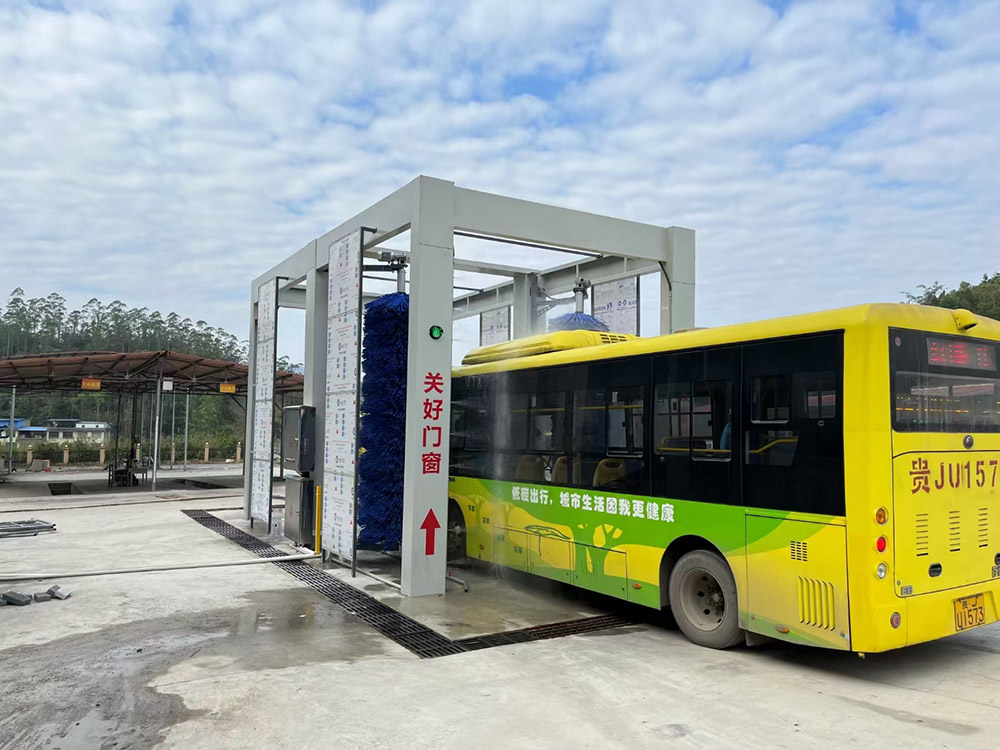
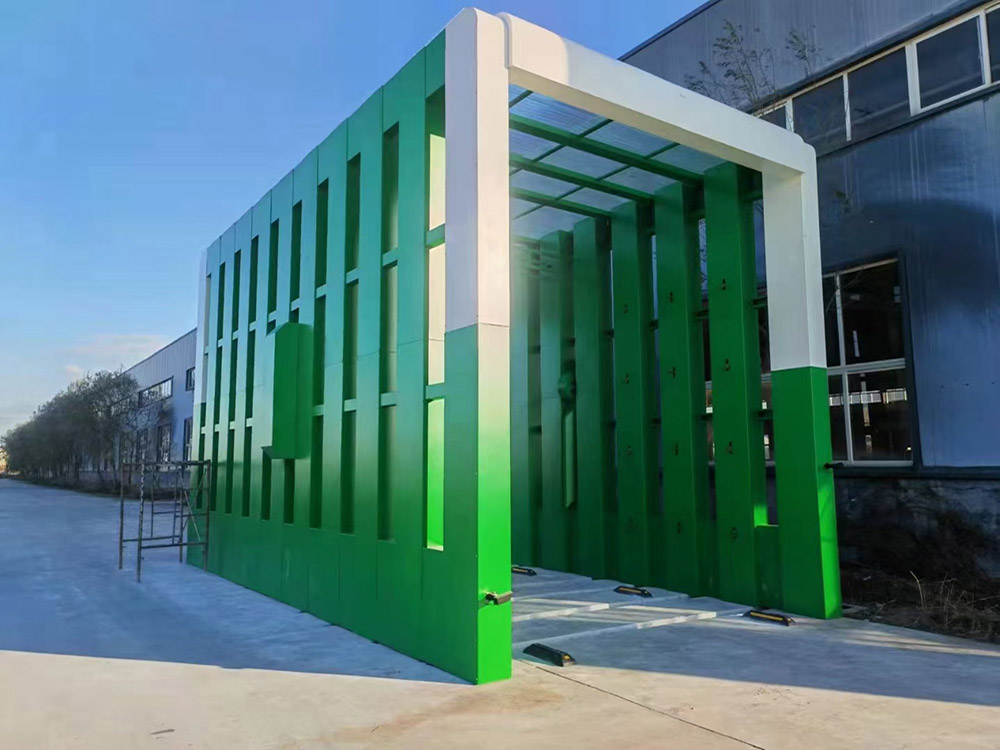
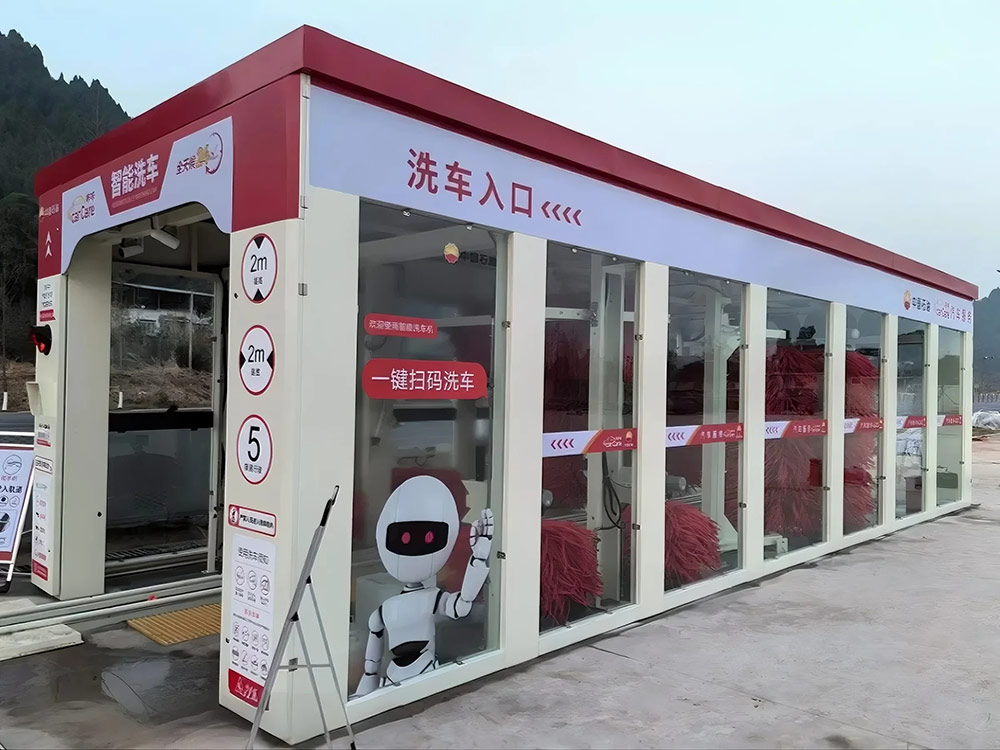
The washing process itself can generate pollution if not managed properly. Customized equipment comes with built – in pollution control mechanisms. For instance, enclosed washing bays prevent the splashing of dirty water, keeping the surrounding area clean. Odor – control systems are installed to neutralize any unpleasant smells generated during the washing, especially when dealing with oil – contaminated water. Additionally, the equipment can be designed to separate different types of waste. Solid waste, such as mud and debris, is collected and disposed of in an environmentally friendly manner, while liquid waste is treated to meet discharge standards before being released into the sewage system.
4. Automated Monitoring and Compliance Reporting
Modern customized washing equipment is equipped with intelligent monitoring systems. Sensors are used to track various parameters, such as water quality, water consumption, and the effectiveness of the cleaning process. These sensors are connected to a central control unit that can generate real – time data reports. Construction site managers can use these reports to ensure that the washing operations are in line with environmental regulations. In case of any anomalies, such as a sudden increase in water pollution levels, the system can immediately alert the operators, allowing for timely corrective actions. Moreover, these automated reports can be easily submitted to regulatory authorities as evidence of compliance, streamlining the inspection process.
5. Adaptability to Local Environmental Regulations
Environmental regulations vary from region to region. Customized washing equipment can be tailored to meet specific local requirements. For example, in areas with strict regulations on chemical use, the equipment can be designed to use only biodegradable cleaning agents. In regions where water discharge standards are extremely high, the filtration and treatment systems can be enhanced accordingly. This adaptability ensures that construction sites can operate legally and avoid costly fines associated with non – compliance.
In conclusion, customized washing equipment offers a comprehensive solution for construction sites to enhance their environmental compliance. By addressing specific contamination issues, conserving water, controlling pollution during the washing process, providing automated monitoring, and adapting to local regulations, these equipment not only help construction sites meet environmental standards but also contribute to sustainable construction practices in the long run.


 Japanese
  English
  German
  French
  Portuguese
  Russian
  Italian
  Spanish
  Arabic