
Basic information and working principle
The tunnel car washing machine is equipped with a fully automatic control system, which guides the vehicle to move with the aid of the conveying device, and implements the processes of high-pressure washing, foam covering, brush cleaning, wax spraying and strong air drying in sequence. The equipment requires a 380V power supply with a power range of 24-42kW and a standard size of approximately 24m × 4.5m × 3.5m. During installation, space for inlet and outlet channels should be reserved.
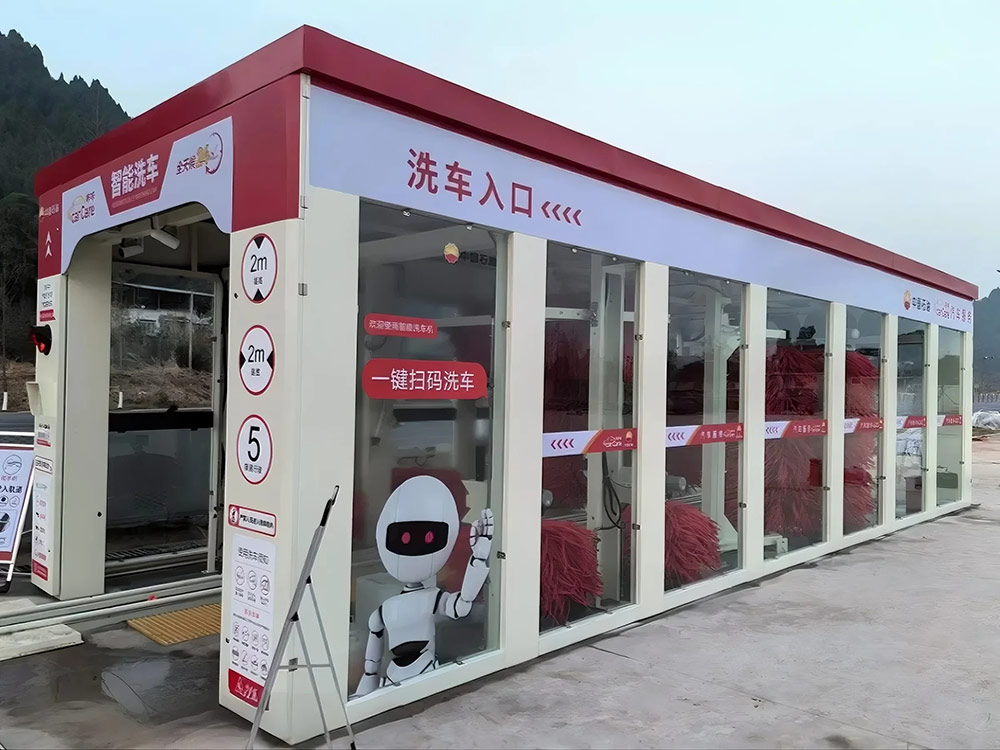
Comparison of Type Characteristics (Tunnel vs Reciprocating)
1. Working method
Tunnel type: The equipment is in a fixed state, and the vehicle is pulled through the conveying system and continuously passes through various cleaning areas
Reciprocating: The vehicle remains stationary, and the cleaning components move back and forth along the track to complete the operation
2. Car washing efficiency
Tunnel type: capable of handling 50-60 vehicles per hour, with a peak of 500 vehicles per day, suitable for high traffic flow scenarios
Reciprocating: Each vehicle takes 3-5 minutes, with a daily limit of 200 vehicles, meeting moderate demand
3. Venue requirements
Tunnel type: requires a straight-line site of more than 15 meters, with high infrastructure costs
Reciprocating: better site adaptability, suitable for upgrading gas stations in urban areas
4. Cost and Maintenance
Tunnel type: Large initial equipment and infrastructure investment, high maintenance difficulty in the later stage
Reciprocating: Lower investment threshold, more convenient daily maintenance
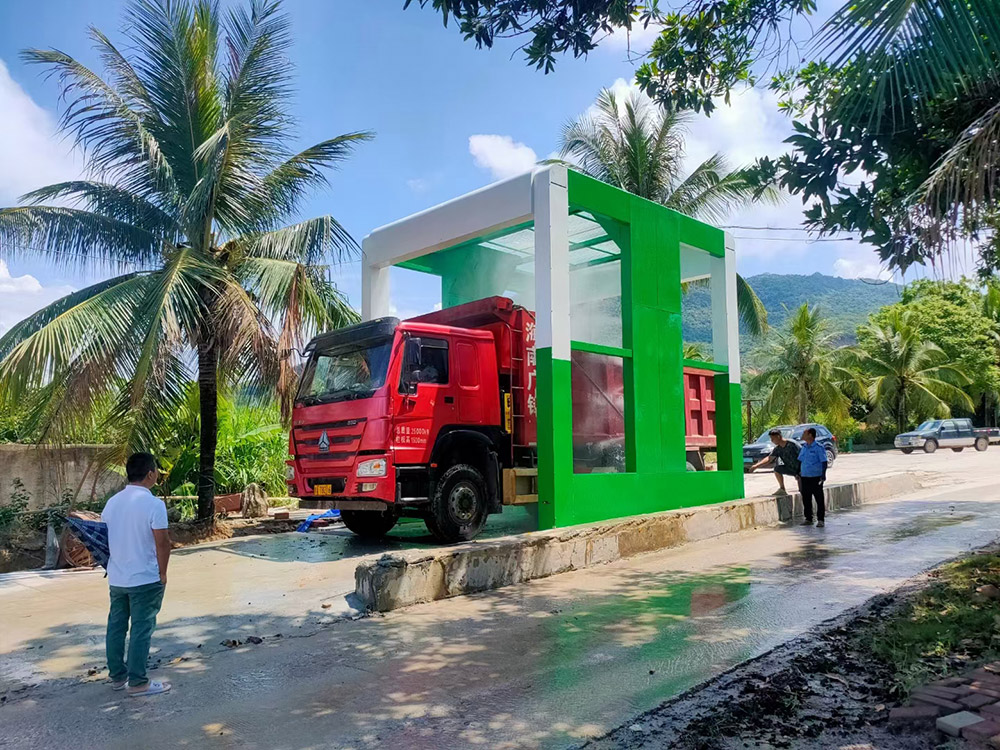
Key elements of selection
1. Traffic demand: Recommended tunnel type for daily traffic exceeding 200 vehicles; 50-150 recommended reciprocating vehicles
2. Site conditions: If the site is abundant, choose a tunnel type; Compact space, choose reciprocating type
3. Budget planning: Tunnel style comprehensive cost is relatively high; The cost-effectiveness of reciprocating is more prominent
4. Vehicle adaptation: reciprocating compatible with multiple types of vehicles; Tunnel type is more suitable for standardized fleets
5. Operation and maintenance support: Tunnel type requires professional team maintenance; Reciprocating operation is more convenient
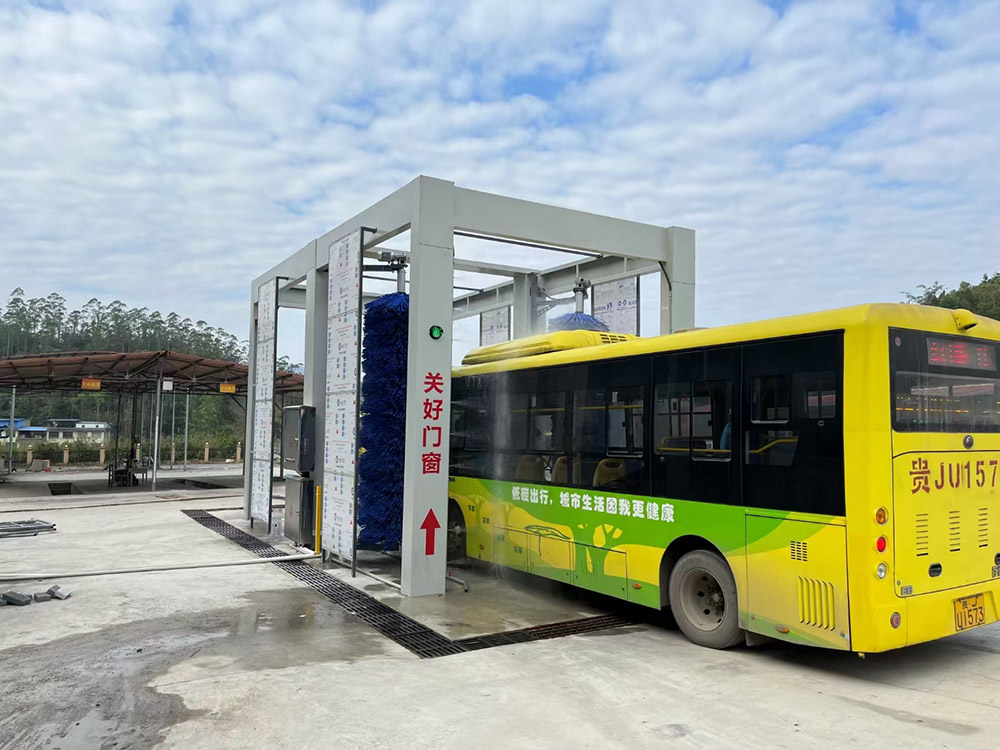
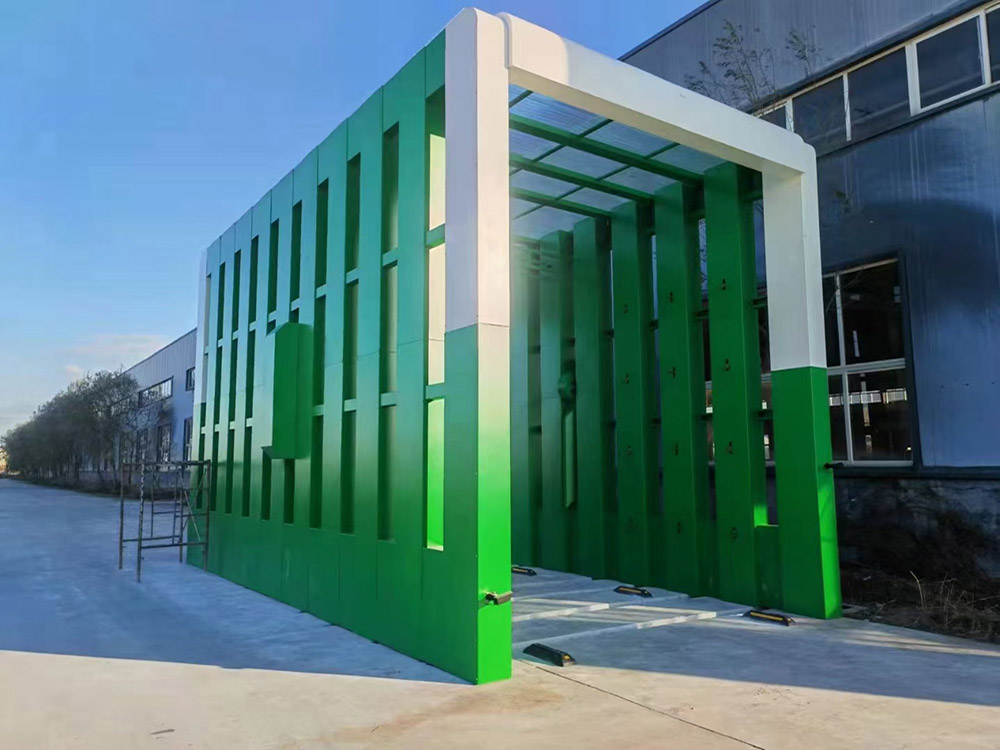


 Italian
  English
  German
  French
  Portuguese
  Japanese
  Russian
  Spanish
  Arabic