
Mining sites have always grappled with a trifecta of challenges: staying on the right side of environmental rules, keeping operations running smoothly, and maintaining expensive equipment. Today, wheel wash systems have stopped being “nice-to-haves” for mining truck fleets—they’re absolute essentials, solving those core pain points while delivering some surprising perks.
Let’s start with the obvious question most mine operators ask: Why bother investing in dedicated wheel washing gear? The answer boils down to two big factors: tighter regulations and smarter operations. Mining trucks haul tons of material daily, and they almost always pick up excess mud, dust, and debris along the way. Left unchecked, that gunk doesn’t just mess up surrounding areas—it also wears down equipment way faster than it should.
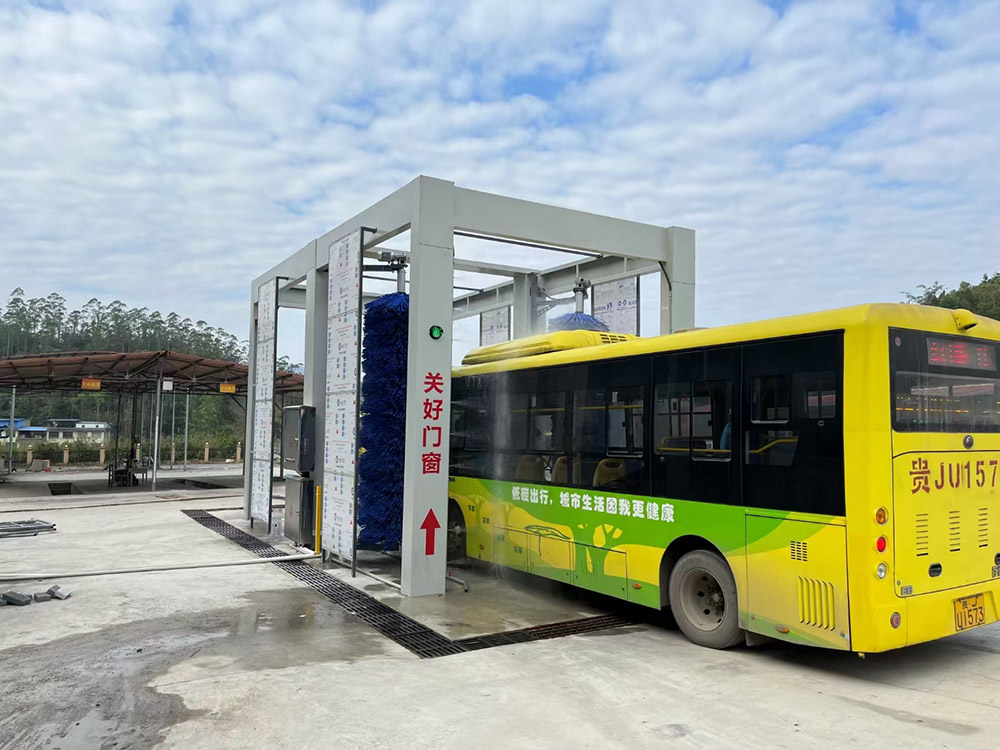
When it comes to operational efficiency, modern wheel wash setups are game-changers. They’re built for speed, so trucks don’t waste hours waiting around to get cleaned. With high-pressure nozzles and strategically placed brushes, a single truck gets a thorough wash in just 60 to 90 seconds. That might sound small, but it adds up: less time idling, more time moving material—that’s straight-up productivity.
Environmental compliance is non-negotiable these days, and regulations are getting stricter worldwide. Most regions now require mines to keep “track-out” (that mud and sediment trucks drag off-site) and runoff in check—and wheel washes are the simplest way to meet those rules. Skip this, and you’re looking at hefty fines or a damaged reputation. But top-tier models go beyond just checking boxes: their closed-loop water recycling systems cut water use by up to 80% compared to older setups. That’s good for the planet and your budget.
Cost savings from reduced maintenance might be the biggest surprise for new adopters. The grit and grime stuck to truck wheels act like sandpaper on tires, brakes, and even road surfaces. Wash that off before trucks leave the site, and you’ll extend equipment life dramatically. Mines that use regular wheel washing report cutting tire replacement costs by as much as 30%—that’s a huge chunk of change saved.
Safety gets a boost too, and that’s non-negotiable. Slick mud on wheels is a disaster waiting to happen, especially on slopes or when loading and unloading. A clean wheel means better traction and fewer accidents. Plus, less loose dust gets kicked up into the air—better for workers’ lungs and happier neighboring communities.
What really sets modern models apart is the tech upgrade. Smart sensors adjust water pressure based on how caked-on the mud is, so you’re not wasting water on light dirt or skimping on heavy grime. Automated chemical injection systems mix the perfect cleaning solution every time, no guesswork needed. And with IoT connectivity, you can monitor the system remotely and get alerts when maintenance is due—no more unexpected breakdowns.
Real-world results speak louder than specs. Take a copper mine in Chile, for example: after installing a custom wheel wash system, they saw a 40% drop in water-related environmental incidents. The mine manager put it plainly: “This wasn’t just a cost—it was an investment that paid for itself in under a year. Fines we avoided, maintenance we skipped, equipment that lasts longer… it’s been a no-brainer.”
These days, mines can’t just prioritize productivity over sustainability—they need both. Wheel wash systems have evolved from optional extras to core infrastructure because they deliver on both fronts. The latest models offer efficiency, water savings, and operational wins that make the ROI impossible to ignore—all while keeping mines on track for greener, more responsible operations.

 Italian
  English
  German
  French
  Portuguese
  Japanese
  Russian
  Spanish
  Arabic