
Classification of types of car washing machines on construction sites
Construction site car washing machines are mainly classified according to installation and cleaning methods:
1. Installation method: Fixed (construction site exit/parking lot, frequently used, structurally stable but requires site support); Mobile (trailer/vehicle mounted, short-term projects/limited space locations, flexible but slightly lower cleaning capacity).
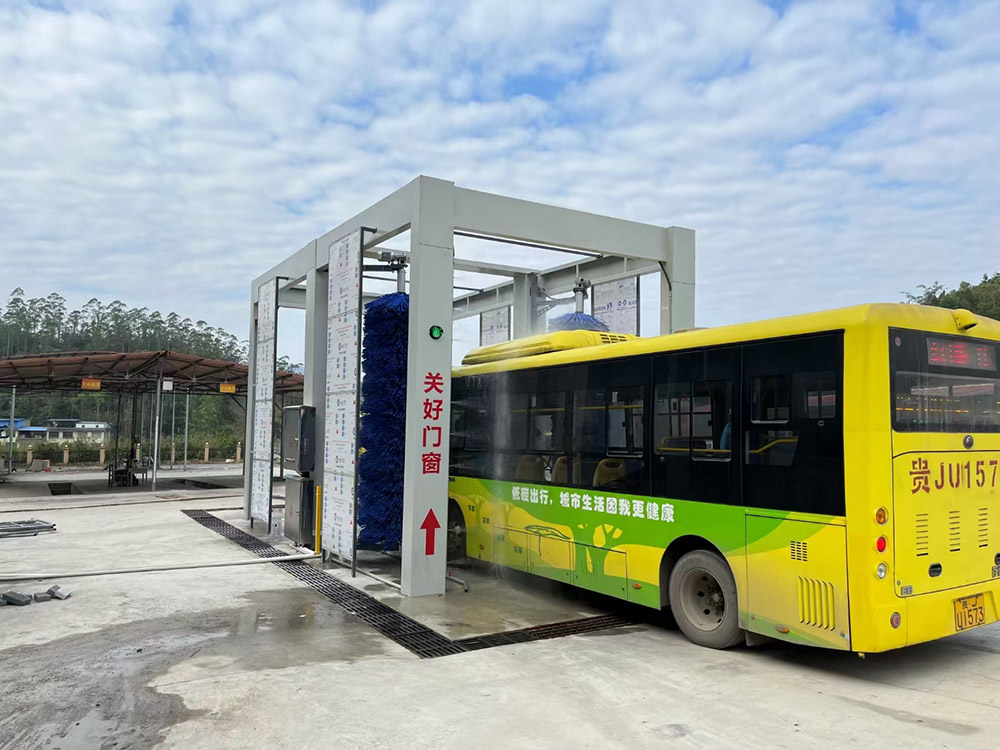
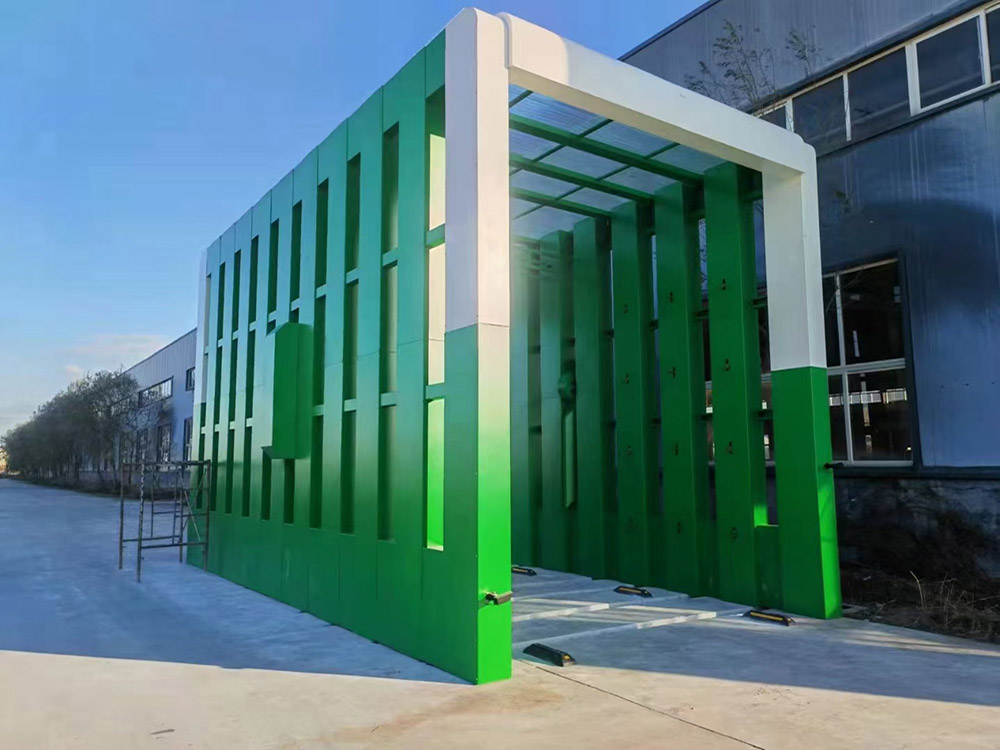
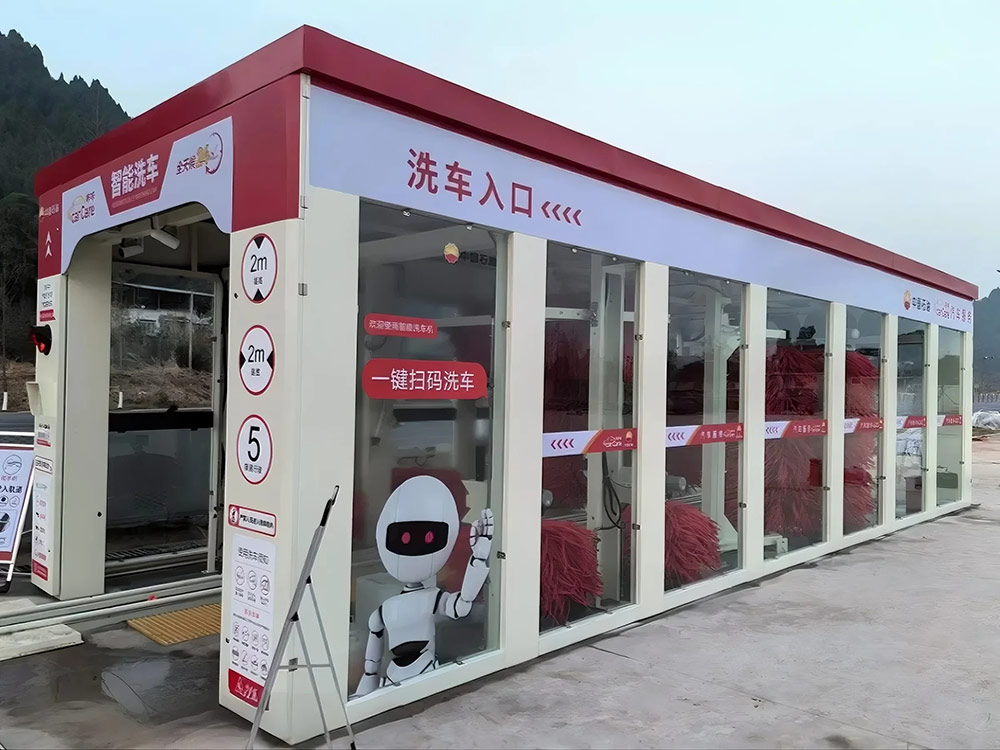
2. Cleaning method: Tunnel type (the vehicle slowly passes through the tunnel like structure, and multiple sets of spray brushes are synchronously cleaned, suitable for continuous operation); Longmen style (horizontally moving gantry frame covering the vehicle body, high space utilization, suitable for limited construction sites).
Core Function Analysis
The core functions include cleaning, environmental protection, and operational experience:
1. Automated operation: Sensors and controllers achieve automatic recognition and cleaning of vehicles, without the need for manual intervention after induction is activated.
2. High pressure cleaning: High pressure water gun/nozzle/roller brush, 360 degree no dead angle flushing of tires, chassis and body, stubborn stains can be cleaned with just one wash.
3. Environmental protection and energy conservation: Water circulation system (three-stage filtration), water resource utilization rate of 90%, daily water saving of about 20 tons; Some models support wastewater purification and discharge.
4. Multiple cleaning modes: normal/fast/enhanced mode, suitable for different needs such as construction vehicles and commercial concrete vehicles.
5. Safety protection: Vehicle detectors, emergency stop buttons, anti-skid devices ensure the safety of personnel and vehicles during the operation process.
6. Easy to operate: Chinese voice prompts+concise interface, beginners can quickly master the usage method.
Key points for selecting high-quality manufacturers
When selecting high-quality manufacturers, attention should be paid to:
1. Technical strength: Priority should be given to manufacturers with independent research and development capabilities and patented technologies (such as water and electricity separation, remote monitoring motherboards), as technological maturity directly affects equipment stability.
2. Product adaptability: A diverse product matrix (tunnel/gantry/contactless) should be provided to meet the needs of different scenarios such as gas stations, bus stations, and small construction sites.
3. Service guarantee: Check whether the full chain service of “transportation installation training after-sales” is provided, including 24-hour technical response, lifelong system upgrades, etc., to reduce maintenance costs in the later stage.
4. Material and process: the core parts (pump head/motor) shall be made of all copper, sheet metal shell and other durable materials, which have strong corrosion/aging resistance and extend the service life of the equipment.
5. Function expansion: support the expansion of accessories such as foam pots and rotary sprinklers to improve the adaptability of breeding farms, industrial parks and other scenes.


 French
  English
  German
  Portuguese
  Japanese
  Russian
  Italian
  Spanish
  Arabic