
In today’s industrial landscape, maintaining operational efficiency while meeting environmental regulations is crucial. Automatic truck wheel wash systems have emerged as essential solutions for companies managing heavy vehicle traffic. But what exactly are these systems, and how can they benefit your operations?
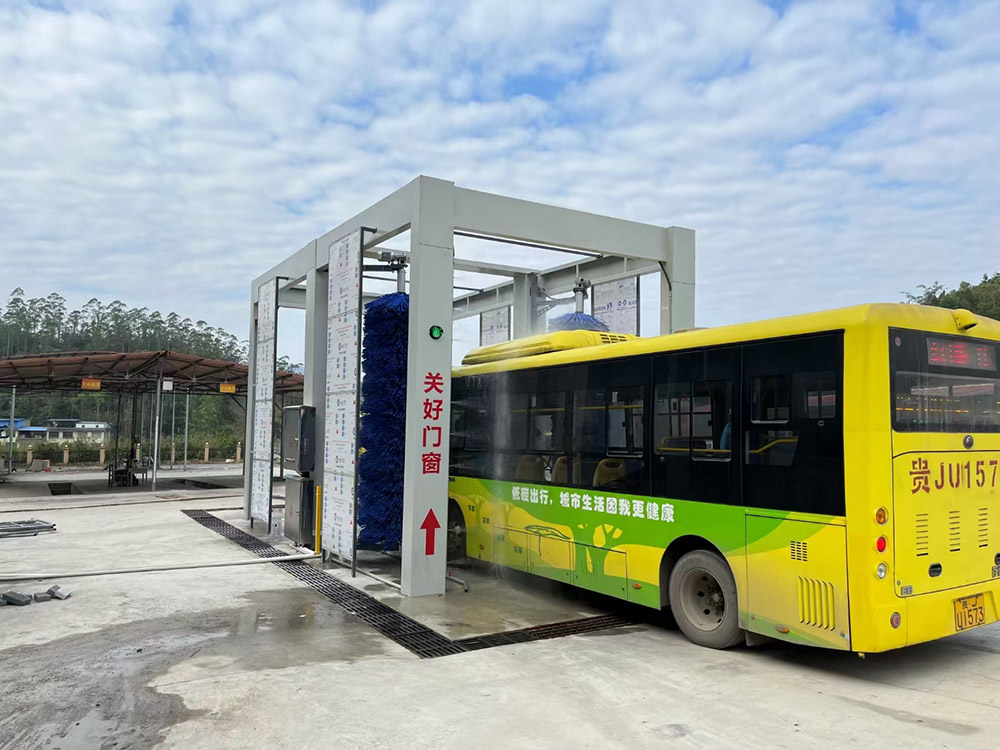
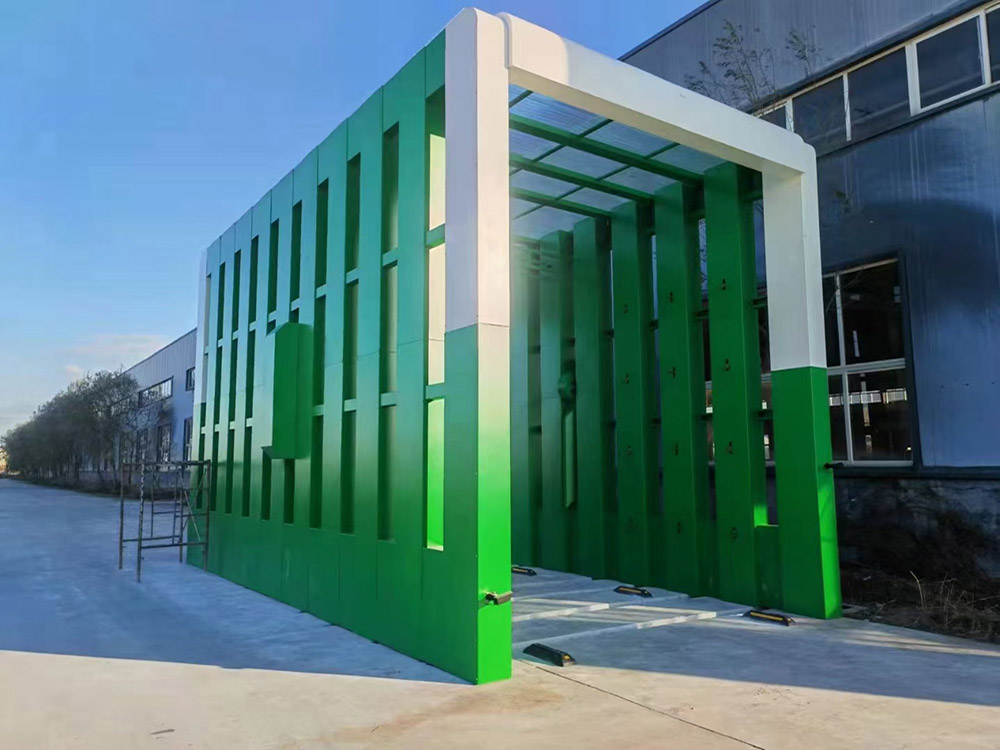
An automatic truck wheel wash system is a specialized cleaning apparatus designed to remove dirt, mud, and debris from vehicle wheels and undercarriages. These systems utilize high-pressure water nozzles, brushes, and sometimes chemical treatments to ensure thorough cleaning. The question many operators ask is: how do these systems integrate into existing workflows? Modern wheel wash systems can be configured for various site conditions, with options for drive-through, pit-mounted, or portable installations, making them adaptable to diverse operational needs.
When considering features, what should you prioritize? Key components include water recycling capabilities, programmable wash cycles, and safety features like emergency stop buttons. High-quality systems offer adjustable pressure settings to accommodate different vehicle sizes and soil conditions. Additionally, advanced models incorporate sensors that detect vehicle dimensions and adjust wash parameters accordingly, optimizing water and energy consumption.
Cost considerations often raise questions about initial investment versus long-term savings. While prices vary based on capacity and features, a commercial-grade system typically ranges from $15,000 to $50,000. However, the true value lies in operational benefits. Many facilities report reduced cleanup costs, decreased dust-related complaints, and extended road surface life. The return on investment (ROI) can be particularly compelling, with many operators achieving payback within 12-24 months through reduced labor costs, lower water consumption, and fewer regulatory penalties.
From an environmental perspective, how do these systems contribute to sustainability? Modern wheel wash systems incorporate water recycling technologies that can reduce water consumption by up to 80% compared to conventional methods. This not only conserves resources but also helps facilities meet stormwater management regulations, preventing contaminated runoff from entering water systems.
When selecting a system, consider factors such as daily traffic volume, available space, and specific cleaning requirements. Consulting with industry professionals can help identify the most suitable solution for your unique operational needs. Remember, the right wheel wash system is not just an expense—it’s an investment in operational efficiency, regulatory compliance, and environmental stewardship.



 French
  English
  German
  Portuguese
  Japanese
  Russian
  Italian
  Spanish
  Arabic