
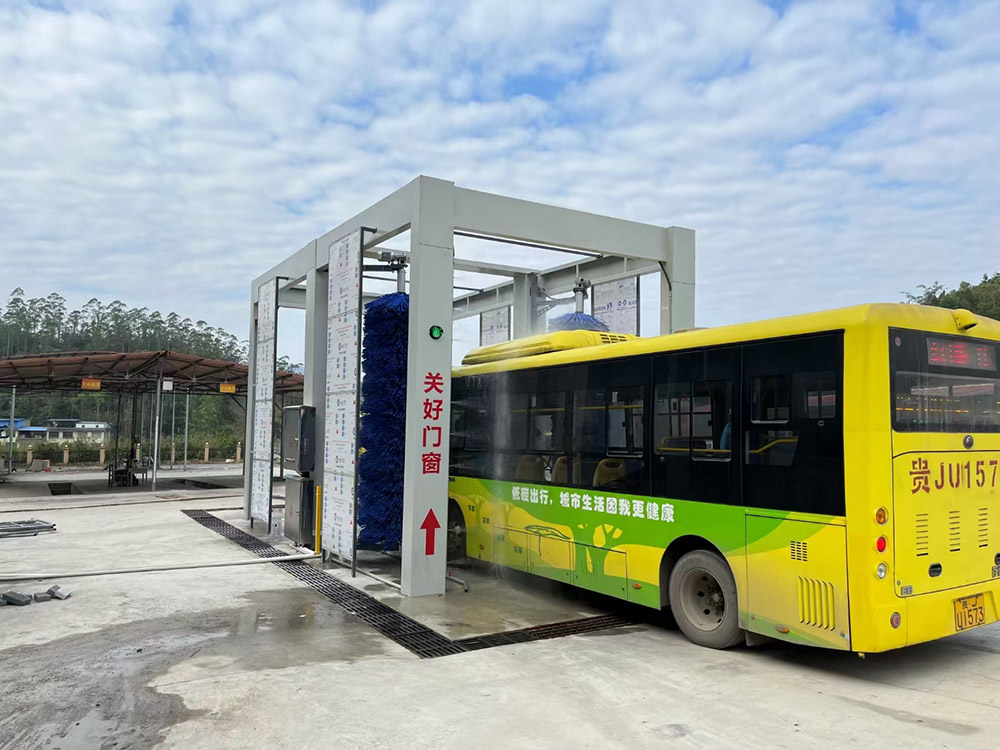
A bus washer machine is a significant investment for any fleet operation, and proper maintenance is essential to ensure it operates efficiently, reliably, and for as long as possible. Neglecting maintenance can lead to costly breakdowns, reduced cleaning performance, and a shorter lifespan for the equipment. By implementing a regular maintenance routine and following key best practices, you can extend the lifespan of your bus washer machine, minimize repair costs, and keep your fleet cleaning operations running smoothly. This article outlines essential maintenance tips to help you get the most out of your bus washer machine.
First and foremost, establish a regular cleaning schedule for the bus washer machine itself. After each use, or at the end of each workday, take the time to clean the machine’s components to remove accumulated dirt, grime, and cleaning solution residue. This includes rinsing off the brushes, nozzles, and water jets to prevent clogs and buildup. For machines with recirculation systems, clean the filters regularly to ensure water flows freely and the system operates efficiently. Clogged filters can reduce water pressure, strain the pump, and lead to premature wear and tear. Additionally, clean the machine’s exterior and control panel to prevent dust and debris from entering the internal components, which can cause electrical or mechanical issues.
Regular inspection of key components is another critical maintenance practice. Conduct daily visual inspections to check for signs of wear, damage, or leaks. Pay close attention to hoses, fittings, and seals—these components are prone to cracking, splitting, or leaking over time, which can lead to water waste and reduced cleaning performance. If you notice any leaks, replace the damaged hoses or seals immediately to prevent further damage. Also, inspect the brushes (if your machine has them) for wear—worn or frayed brushes will not clean effectively and can scratch the bus’s exterior. Replace brushes when they show signs of significant wear to maintain cleaning quality and protect your fleet.
Lubrication of moving parts is essential to reduce friction and prevent premature wear. Refer to your machine’s user manual to identify which components require lubrication, such as bearings, gears, and moving arms. Use the recommended type and amount of lubricant, and follow the suggested lubrication schedule—over-lubrication can attract dust and debris, while under-lubrication can cause excessive friction and damage. Regular lubrication will keep the machine’s moving parts operating smoothly, reduce noise, and extend their lifespan.
Proper water management is also key to maintaining your bus washer machine. If your machine uses a recirculation system, monitor the water quality regularly to ensure it remains clean and free of debris. Replace the water in the tank as needed to prevent the growth of bacteria or mold, which can contaminate the system and affect cleaning performance. Additionally, if your area has hard water, consider installing a water softener to prevent mineral buildup in the machine’s components. Mineral deposits can clog nozzles, damage the pump, and reduce the efficiency of the heating system (if applicable). Descaling the machine periodically with a mild descaling solution can also help remove existing mineral buildup and keep the system running smoothly.
Electrical components require special attention to ensure safety and reliability. Inspect the machine’s electrical cords, plugs, and connections regularly for signs of damage, such as fraying, cracking, or exposed wires. If you notice any damage, do not use the machine until the electrical components are repaired or replaced by a qualified technician. Keep electrical components dry and free of water to prevent short circuits or electrical shocks. Additionally, check the machine’s control panel and sensors for proper operation—malfunctioning sensors can lead to incorrect cleaning cycles or damage to the machine or buses.
Seasonal maintenance is another important consideration, especially for fleets operating in extreme climates. In cold weather, drain all water from the machine’s components to prevent freezing, which can crack pipes, hoses, and the pump. Use antifreeze solutions (if recommended by the manufacturer) to protect the system during winter storage. In hot weather, check the machine’s cooling system (if applicable) to ensure it is operating efficiently, and keep the machine in a shaded area if possible to prevent overheating. Additionally, adjust your cleaning schedule and solutions based on seasonal conditions—for example, use more powerful cleaners in winter to remove salt and ice melt, and increase the frequency of undercarriage cleaning.
Finally, keep detailed maintenance records to track when inspections, cleanings, and repairs are performed. This will help you stay on top of your maintenance schedule, identify patterns of wear or recurring issues, and make informed decisions about when to replace components or the entire machine. Regular maintenance not only extends the lifespan of your bus washer machine but also ensures it operates at peak efficiency, providing consistent, high-quality cleaning for your fleet. By following these essential maintenance tips, you can protect your investment, reduce downtime, and keep your fleet cleaning operations running smoothly for years to come.



 French
  English
  German
  Portuguese
  Japanese
  Russian
  Italian
  Spanish
  Arabic