
When considering investing in a bus washer machine for your fleet, understanding the cost breakdown and the factors that impact pricing is essential for making an informed decision. The cost of a bus washer machine can vary significantly depending on a range of factors, from the type and size of the machine to its features, efficiency, and installation requirements. For fleet managers working within a budget, having a clear picture of these costs helps in planning, budgeting, and selecting a machine that offers the best value for money. This article breaks down the key components of bus washer machine costs and explores the factors that influence pricing for fleet operations.
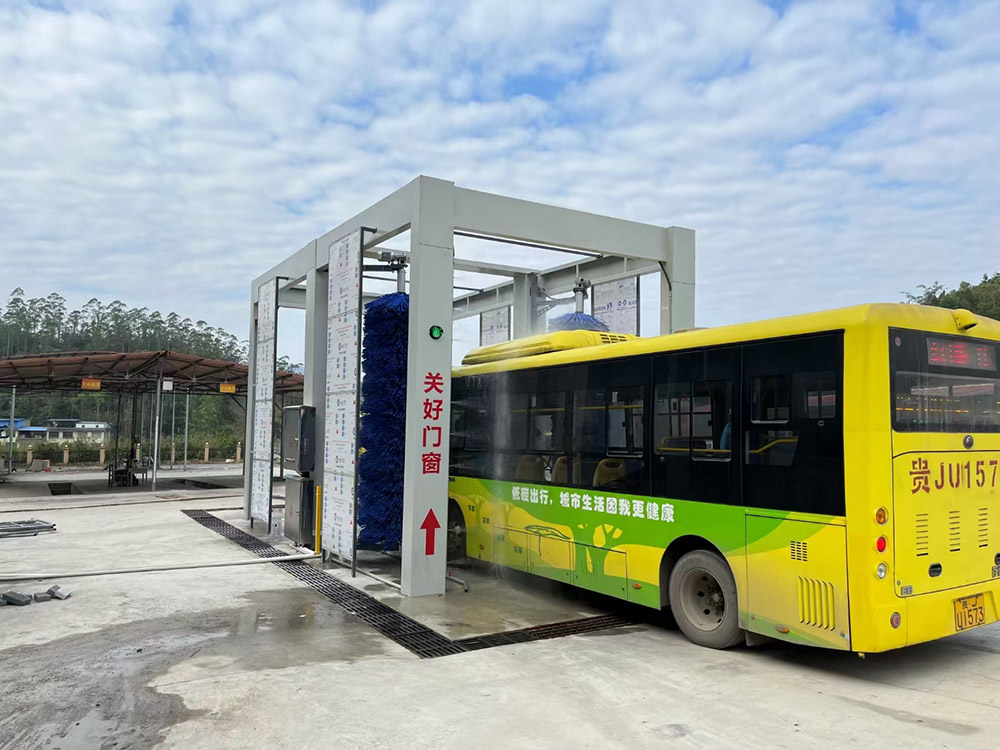
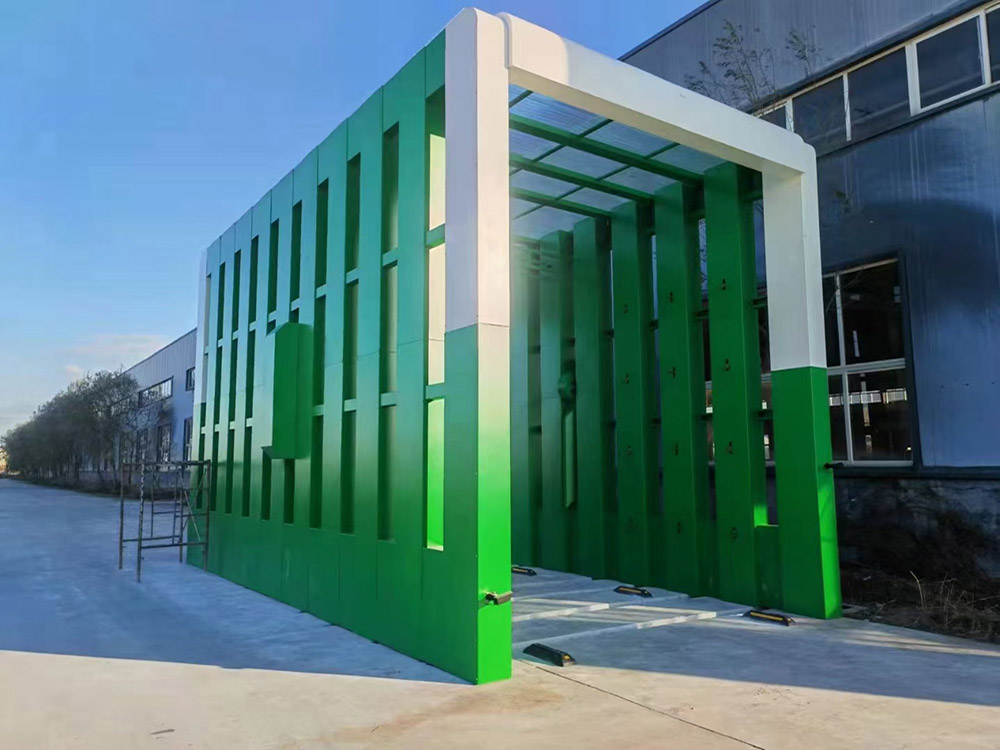
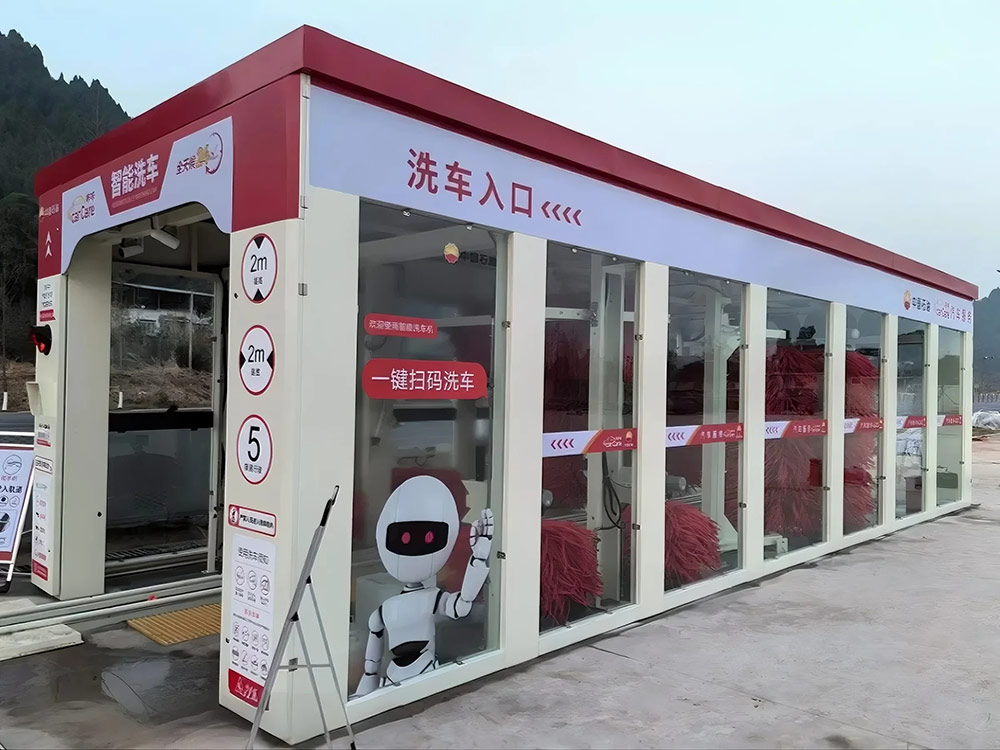
The first and most obvious cost component is the initial purchase price of the bus washer machine. This price can range from a few thousand dollars for a basic mobile model to tens of thousands of dollars for a high-capacity, automated drive-through system. The type of machine is the primary driver of the initial purchase price. Mobile bus washer machines, which are smaller and less powerful, are typically the most affordable option, making them suitable for small fleets or those with limited budgets. Stationary models, which offer greater capacity and efficiency, are priced higher than mobile models but lower than drive-through systems. Drive-through bus washer machines, which are designed for large fleets with high cleaning volumes, have the highest initial purchase price due to their size, complexity, and automated features.
Installation costs are another important component of the total cost of ownership. The complexity of installation varies depending on the type of machine. Mobile bus washer machines require minimal installation—they can be unloaded and used immediately, with only a connection to a water source and power supply needed. Stationary models may require more extensive installation, such as mounting the machine to a concrete pad, connecting to plumbing and electrical systems, and installing drainage. Drive-through systems have the highest installation costs, as they often require site preparation, such as grading and paving the drive-through area, installing specialized plumbing and electrical systems, and setting up drainage and water recycling systems. Installation costs can also include fees for permits, inspections, and labor from qualified technicians.
Operational costs, including water, energy, and cleaning supplies, are ongoing expenses that contribute to the total cost of ownership. Water costs vary depending on the machine’s water usage and the local cost of water. Water-efficient models, such as those with recirculation systems, can reduce water consumption by up to 80% compared to standard models, lowering water costs significantly. Energy costs are influenced by the machine’s power requirements, with larger, more powerful machines consuming more energy. Energy-efficient models, which use variable-speed motors or low-power components, can help reduce energy costs over time. Cleaning supplies, such as detergents and degreasers, are another ongoing cost. The type and amount of cleaning supplies needed depend on the machine’s design and the level of cleaning required. Eco-friendly or biodegradable cleaning solutions may cost more upfront but can help reduce environmental impact and comply with local regulations.
Maintenance and repair costs are also a key part of the total cost of ownership. Regular maintenance, such as filter changes, lubrication, and cleaning, is necessary to keep the machine running smoothly and extend its lifespan. The cost of maintenance varies depending on the type of machine and the frequency of use—larger, more complex machines may require more frequent maintenance and higher costs for replacement parts. Repair costs can be unpredictable but are often higher for machines with complex automated features or specialized components. To minimize maintenance and repair costs, it’s important to choose a machine that is easy to maintain, with accessible components and a reputation for reliability. Additionally, investing in a maintenance plan from the manufacturer or a third-party provider can help spread out these costs and ensure timely repairs.
The lifespan of the bus washer machine is another factor that impacts the total cost of ownership. A high-quality machine with proper maintenance can last 10-15 years or more, while a lower-quality machine may need to be replaced in 5-7 years. While a high-quality machine may have a higher initial purchase price, its longer lifespan means that the cost is spread out over more years, resulting in a lower annual cost of ownership. When evaluating pricing, it’s important to consider the machine’s expected lifespan and calculate the annual cost to determine the best value.
Several additional factors can influence the pricing of bus washer machines. Customization features, such as adjustable cleaning programs, undercarriage cleaning capabilities, or integrated water recycling systems, can increase the initial purchase price but may offer long-term benefits such as improved efficiency or reduced operational costs. The manufacturer’s reputation and customer support can also impact pricing—machines from reputable manufacturers with strong customer support may cost more but offer greater reliability and peace of mind. Additionally, market conditions, such as supply and demand, can affect pricing, with prices fluctuating based on the availability of materials and components.
For fleet managers, it’s important to look beyond the initial purchase price and consider the total cost of ownership when evaluating bus washer machine options. By factoring in installation, operational, maintenance, and repair costs, as well as the machine’s lifespan, you can make a more informed decision about which machine offers the best value for your fleet. It’s also important to align the machine’s features and capabilities with your fleet’s specific needs—investing in a machine that is too small or lacks necessary features will result in inefficiency and additional costs, while investing in a machine that is too large or has unnecessary features will waste money on upfront and operational costs.
Understanding the cost breakdown and factors that impact pricing is essential for selecting a bus washer machine that fits your fleet’s needs and budget. By carefully evaluating each cost component and considering the long-term value of the machine, you can make an investment that enhances your fleet’s operations, reduces costs, and provides consistent, high-quality cleaning for years to come.
 French
  English
  German
  Portuguese
  Japanese
  Russian
  Italian
  Spanish
  Arabic