
Maintaining a clean fleet of buses is essential for passenger satisfaction, vehicle durability, and operational efficiency. However, not all bus washer machines are created equal—different types are designed to address specific cleaning needs, fleet sizes, and operational constraints. Understanding the various types of bus washer machines available, their features, and their ideal use cases is key to selecting the right equipment for your fleet. This article explores the most common types of bus washer machines, helping you identify which one aligns with your fleet’s unique requirements.
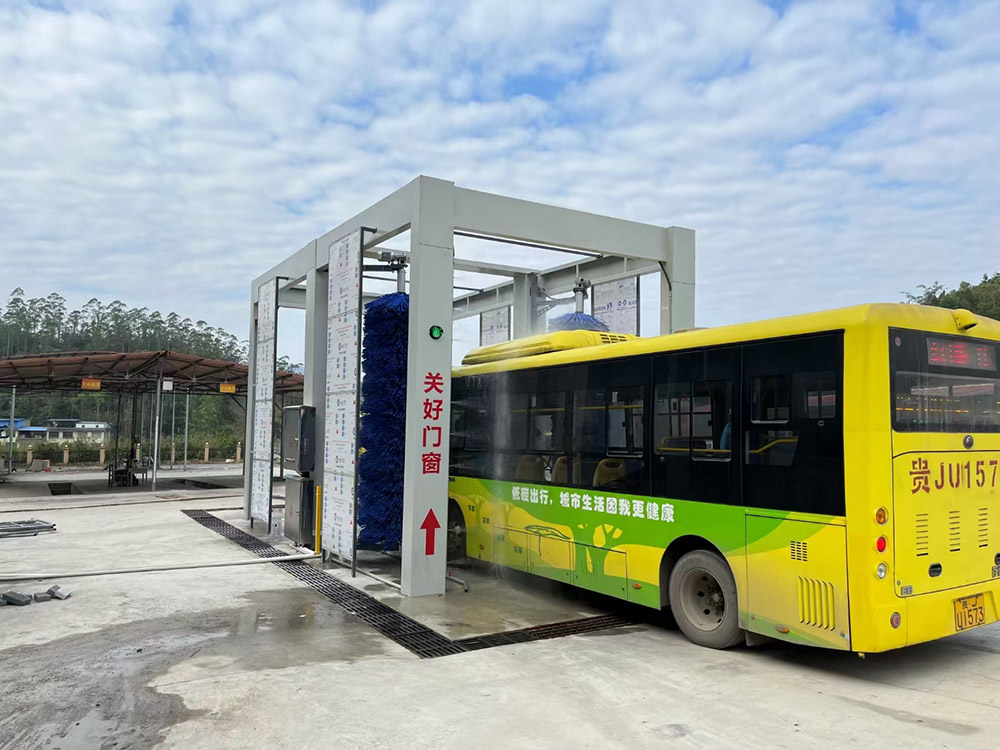
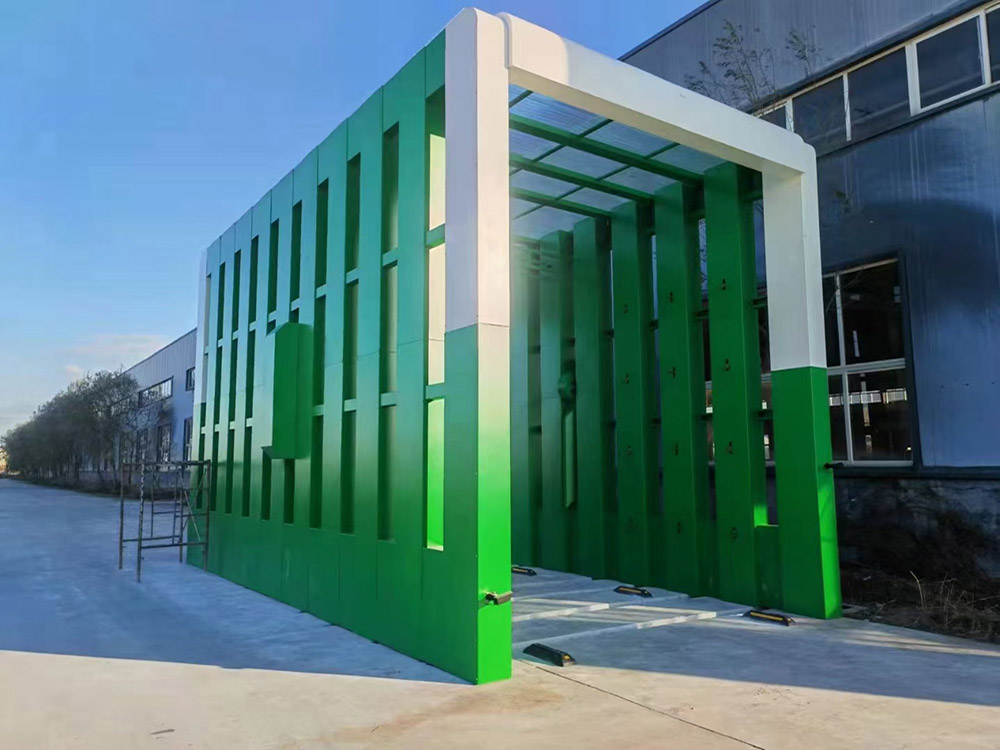
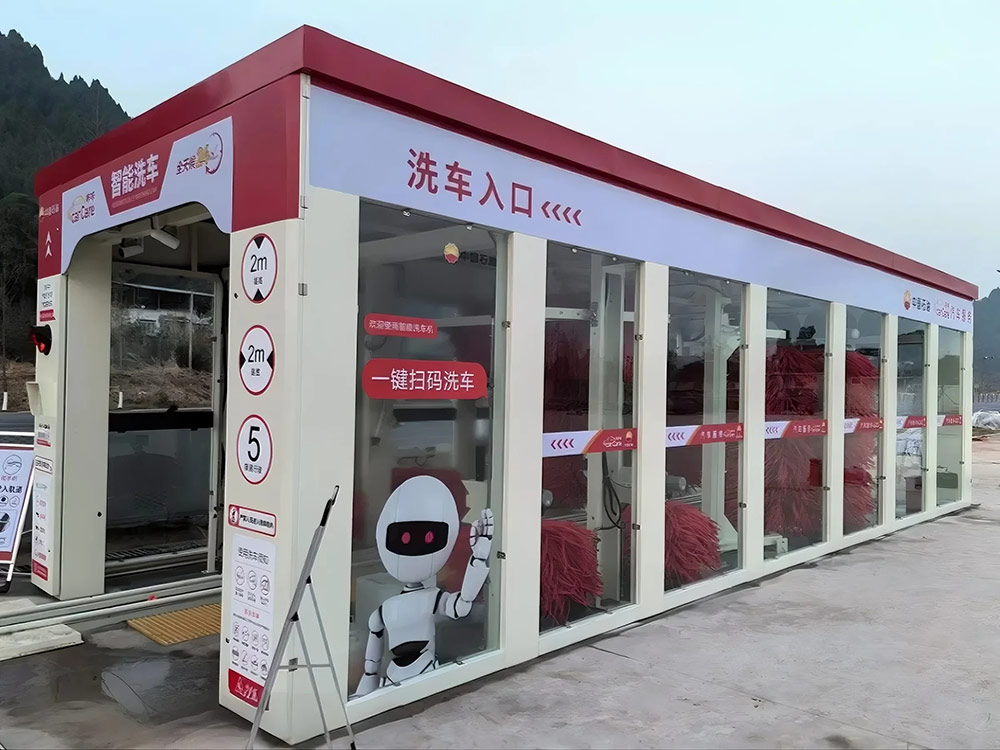
One of the most popular types of bus washer machines is the drive-through system. As the name suggests, these systems are designed for fleets to drive through a designated cleaning area, where the machine automatically cleans the exterior of the bus. Drive-through bus washer machines are ideal for large fleets with high cleaning volumes, such as public transit agencies or long-distance bus companies, as they offer fast, efficient cleaning with minimal manual intervention. Most drive-through systems use a combination of high-pressure water jets, rotating brushes, and cleaning solutions to remove dirt, grime, and debris from the bus’s exterior, including the sides, front, rear, and sometimes the undercarriage. Some advanced models also offer customizable cleaning programs, allowing you to adjust the pressure, water usage, and cleaning duration based on the level of dirt or the type of bus.
Stationary bus washer machines are another common option, designed for fleets with limited space or lower cleaning volumes. Unlike drive-through systems, stationary machines remain in a fixed location, and the bus is positioned in front of the machine for cleaning. These machines typically feature a movable arm or boom that extends to cover the entire length and height of the bus, providing precise cleaning control. Stationary models are available in both manual and automated configurations—manual models require an operator to control the arm and guide the cleaning process, while automated models use sensors to detect the bus’s dimensions and adjust the cleaning path accordingly. Stationary bus washer machines are well-suited for small to medium-sized fleets, such as school bus fleets or shuttle services, as they offer a balance of efficiency and space savings.
Mobile bus washer machines are a flexible option for fleets that require on-demand cleaning or have multiple locations. These machines are mounted on a trailer or a truck, allowing them to be transported to different areas within your facility or even to off-site locations. Mobile bus washer machines typically use a high-pressure water system and a handheld or mounted spray gun, giving operators the ability to clean specific areas of the bus or the entire exterior. While mobile models offer great flexibility, they generally have lower water and pressure capacity compared to drive-through or stationary systems, making them better suited for occasional cleaning, spot cleaning, or small fleets with low cleaning volumes.
Undercarriage bus washer machines are specialized systems designed to clean the undercarriage of buses, a critical area that is often overlooked but prone to corrosion from salt, dirt, and debris. These machines can be standalone systems or integrated into drive-through or stationary systems. Undercarriage washers use high-pressure water jets directed at the bottom of the bus to remove accumulated grime and prevent rust, extending the life of the bus’s chassis and components. Fleets operating in cold climates with salted roads or areas with heavy dust will benefit significantly from an undercarriage bus washer machine, as it helps protect against costly corrosion damage.
High-pressure bus washer machines are another type of specialized equipment, designed for deep cleaning tasks that require maximum pressure to remove tough dirt, grease, and stains. These machines use high-pressure water jets (often exceeding 2000 PSI) to break down and remove stubborn debris, making them ideal for fleets that operate in harsh environments or require frequent deep cleanings. High-pressure systems are available in both stationary and mobile configurations, but they typically use more water and energy than standard systems, so they should be used selectively to balance cleaning power with efficiency.
When selecting a bus washer machine, it’s important to match the type of machine to your fleet’s specific needs. Consider factors such as fleet size, cleaning volume, available space, cleaning requirements (exterior only, undercarriage, deep cleaning), and budget. Large fleets with high cleaning volumes will benefit from drive-through systems, while small fleets or those with limited space may prefer stationary models. Mobile systems are ideal for fleets that need flexibility, and undercarriage or high-pressure systems are essential for fleets operating in harsh environments. By understanding the different types of bus washer machines and their ideal use cases, you can select the right equipment to keep your fleet clean, reliable, and in optimal condition.
 French
  English
  German
  Portuguese
  Japanese
  Russian
  Italian
  Spanish
  Arabic