
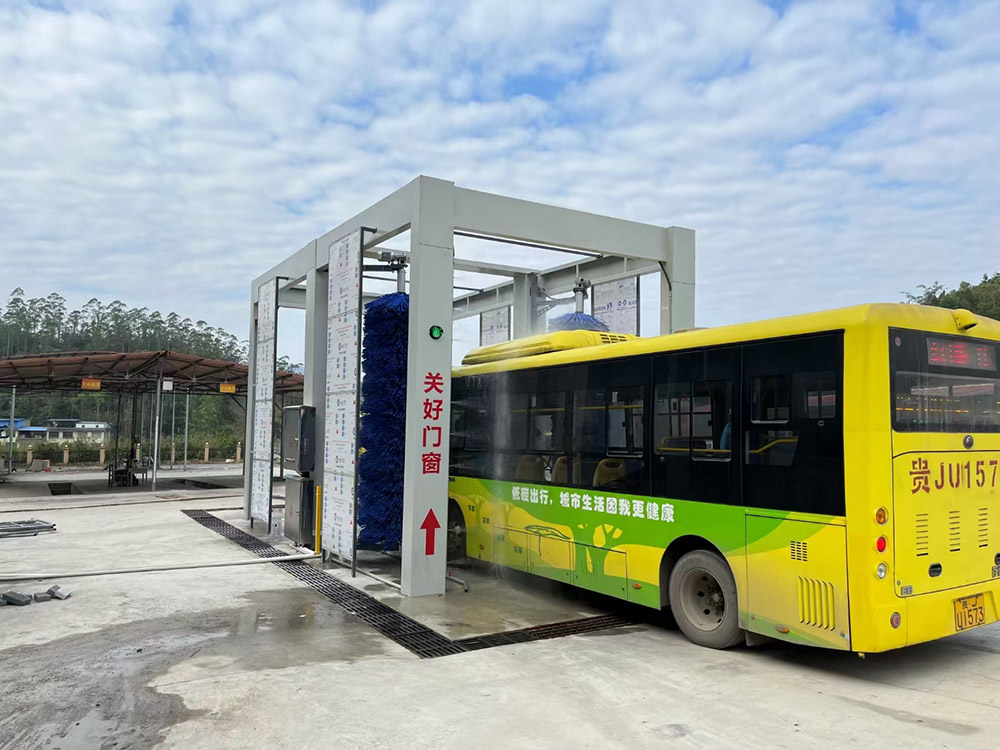
A mud-flushing roller wheel washer is a valuable asset for construction sites, ensuring regulatory compliance and keeping vehicles clean. To maximize its lifespan and maintain optimal performance, regular maintenance is essential. Neglecting maintenance can lead to reduced cleaning efficiency, increased downtime, and costly repairs. Below are practical maintenance tips designed to help you keep your mud-flushing roller wheel washer in top condition, extending its service life and ensuring it operates efficiently for years to come.
Daily inspection and cleaning are the foundation of effective maintenance. Before starting operations each day, take a few minutes to inspect the entire system. Check the roller surfaces for any debris, such as rocks or sticks, that could prevent smooth rotation. Remove any obstructions to ensure the rollers can engage with vehicle tires properly. Next, inspect the water nozzles for clogs—mud and sediment can build up in the nozzles over time, reducing water pressure and cleaning effectiveness. Use a small tool, such as a wire brush or needle, to clear any clogs and ensure a consistent water stream. Additionally, check the water level in the collection tank and refill it if necessary, ensuring the pump has an adequate supply of water to operate.
After each day’s operations, perform a thorough cleaning of the system. Drain the sediment collection tank to remove accumulated mud and solids—this prevents sediment from hardening and clogging the filtration system or damaging the pump. Use a shovel or suction hose to remove the sediment, and then rinse the tank with clean water to ensure all debris is removed. Wipe down the roller surfaces and frame with a damp cloth to remove any remaining mud, preventing corrosion and buildup. It’s also important to clean the filter screens in the water recycling system, as clogged filters can reduce water flow and strain the pump.
Regular lubrication of moving parts is critical to preventing wear and tear. The roller bearings, chains, and gears are subjected to constant movement and exposure to water and mud, making them prone to rust and friction. Every 1-2 weeks, apply a high-quality, water-resistant lubricant to these components. Be sure to use a lubricant that is designed for heavy-duty equipment and can withstand harsh environmental conditions—avoid using standard lubricants that may wash away easily with water. Lubricating the moving parts reduces friction, extends their lifespan, and ensures smooth operation of the rollers.
Monthly maintenance should focus on more in-depth inspections and component checks. Inspect the frame and structural components for signs of damage, such as cracks, bent metal, or loose fasteners. Tighten any loose bolts or nuts to ensure the system is stable and secure—vibration from vehicle traffic can cause fasteners to loosen over time, leading to structural issues. Check the pump and motor for any signs of leaks, unusual noises, or overheating. If you notice any leaks, repair them immediately to prevent water waste and damage to electrical components. Inspect the hoses and connections for wear, such as cracks or bulges, and replace any damaged hoses to avoid sudden failures.
Seasonal maintenance is also important, especially in regions with extreme weather conditions. In cold weather, prepare the system for freezing temperatures by draining all water from the tank, pump, hoses, and nozzles. Freezing water can expand and damage pipes, pumps, and other components, so it’s critical to ensure all water is removed before temperatures drop below freezing. Consider using a portable heater or insulation to protect the system if it will be used in cold weather. In hot weather, check the pump and motor for overheating—ensure the cooling systems are functioning properly and that the motor is not being overworked. Additionally, inspect the water level more frequently in hot weather, as evaporation can reduce the water supply quickly.
Finally, keep detailed maintenance records. Document each inspection, cleaning, lubrication, and repair, noting the date, tasks performed, and any issues identified. This helps you track the maintenance schedule, identify patterns of wear or recurring issues, and plan for future repairs or component replacements. Having detailed records also makes it easier to troubleshoot problems if they arise, as you can refer back to previous maintenance activities to identify potential causes.
By following these maintenance tips, you can extend the lifespan of your mud-flushing roller wheel washer, reduce downtime, and ensure it operates efficiently. Regular maintenance not only protects your investment but also ensures the system continues to meet regulatory requirements and keep your construction site clean.

 French
  English
  German
  Portuguese
  Japanese
  Russian
  Italian
  Spanish
  Arabic