
Professional Truck Wash Machine: The Ultimate Guide for Keeping Your Trucks Clean
Keeping your trucks clean is essential for both aesthetics and maintenance. Whether you own a small fleet or operate a large transportation business, a professional truck wash machine can make the process efficient and cost-effective. But what exactly is a professional truck wash machine, and how can it benefit your operations? In this guide, we’ll explore common questions, key features, and best practices for maintaining your trucks with the right equipment.
What Are the Benefits of Using a Professional Truck Wash Machine?
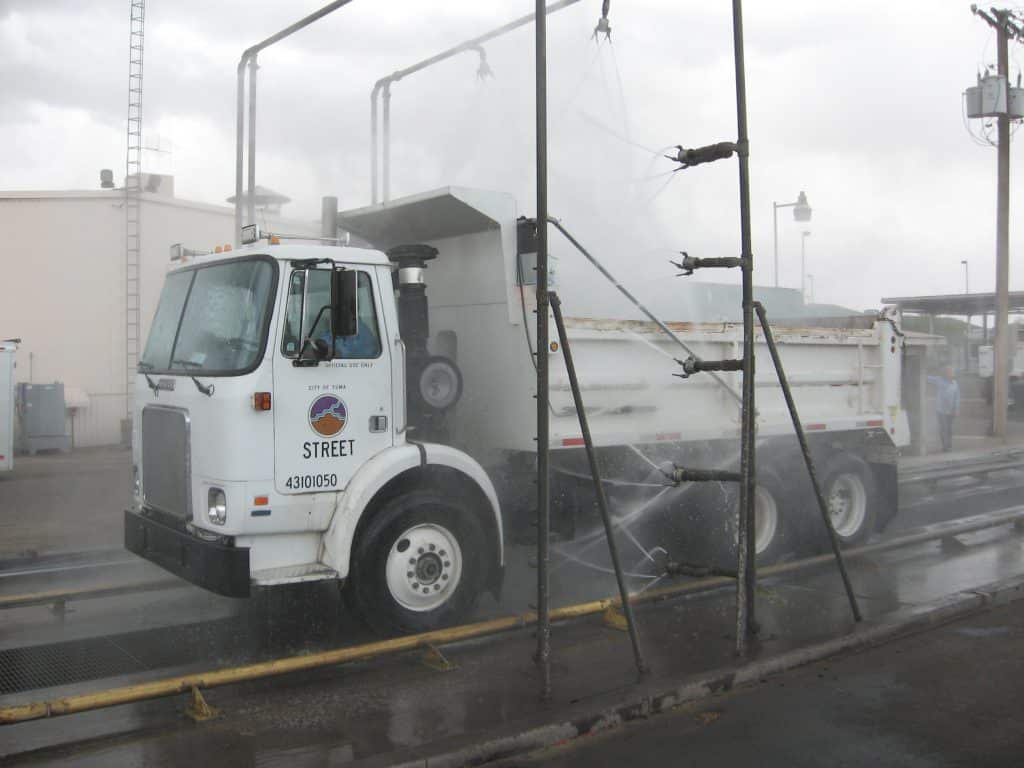
Before investing in a truck wash system, it’s important to understand why it’s a worthwhile investment. Professional truck wash machines offer several advantages over manual washing:
- Efficiency: Automated systems save time and labor, allowing you to clean multiple trucks in a fraction of the time.
- Consistency: Machines provide uniform cleaning results, ensuring every truck meets the same high standards.
- Cost Savings: Long-term, automated washing reduces water and chemical consumption compared to manual methods.
- Enhanced Durability: Proper cleaning prevents corrosion, paint damage, and wear, extending your truck’s lifespan.
What Types of Truck Wash Machines Are Available?
There are several types of professional truck wash systems, each designed for different needs:
- Pressure Washers: Ideal for removing grime, grease, and dirt from large surfaces.
- Foam Washers: Use pre-wash foam to loosen dirt before rinsing, reducing water usage.
- Rotary Brushes: Effective for scrubbing tough stains without damaging the truck’s finish.
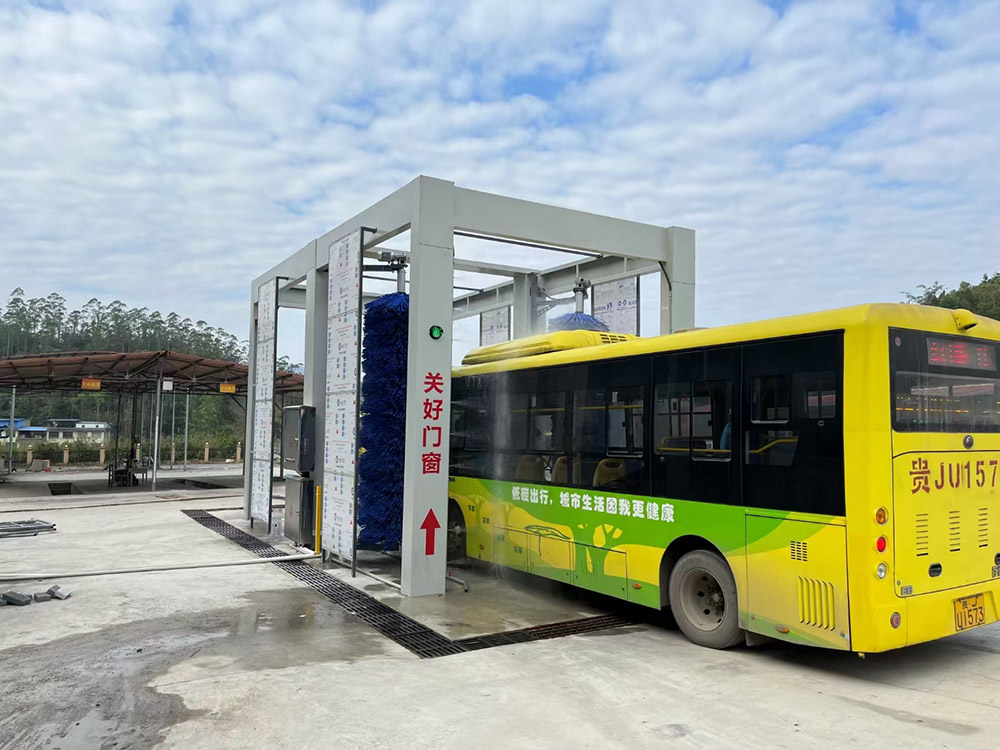
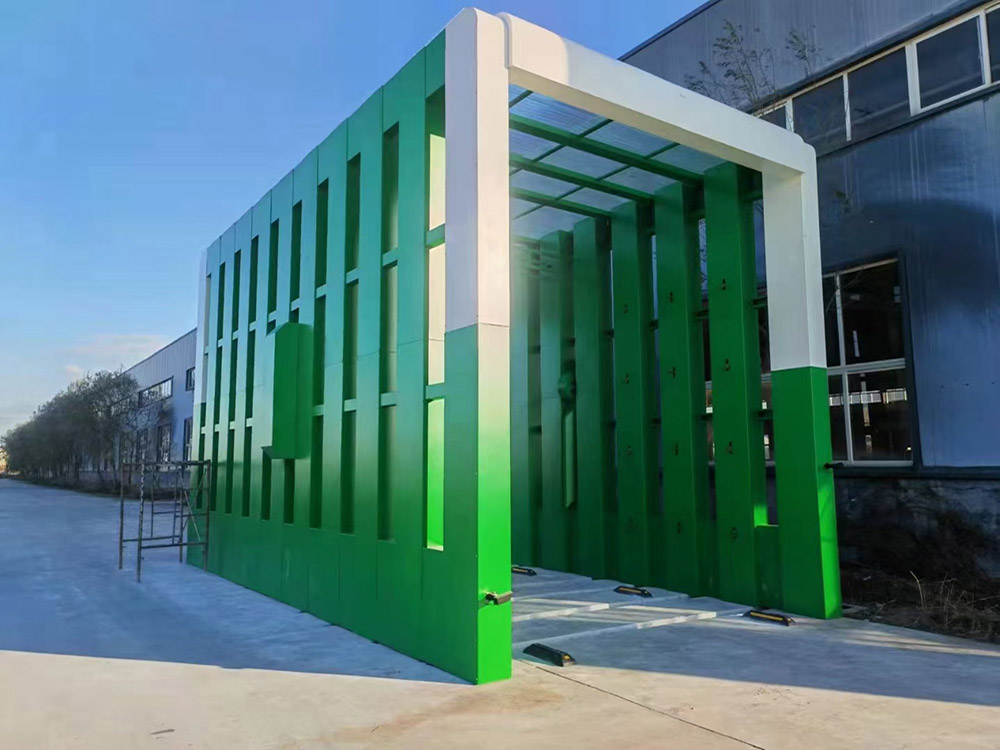
- Automated Tunnel Washers: Full-body systems that clean trucks from top to bottom with minimal human intervention.
Each type serves a specific purpose, so choosing the right one depends on your fleet size and cleaning requirements.
How Do You Choose the Right Truck Wash Machine?
When selecting a truck wash machine, consider the following factors:
- Fleet Size: Larger fleets may need high-capacity systems.
- Budget: Invest in a machine that balances cost and performance.
- Space Availability: Automated tunnel washers require more space, while portable units are more flexible.
- Environment: Electric or gas-powered machines offer different benefits based on your location.
What Are Best Practices for Truck Washing?
To maximize the lifespan of your trucks, follow these best practices:
- Pre-Rinse: Remove loose dirt before using high-pressure washers to prevent scratching.
- Use Appropriate Detergents: Truck-specific soaps break down grease and grime without damaging paint.
- Regular Inspections: Wash trucks frequently to prevent stubborn stains from setting in.
- Protect sensitive Areas: Use gentle settings for chrome, mirrors, and logos.
Why Is Professional Truck Washing Better Than DIY?
While DIY washing might seem cheaper upfront, professional systems offer long-term benefits:
- Labor Savings: Automated systems free up staff for other tasks.
- Quality Control: Machines ensure consistent cleaning without human error.
- Environmental Impact: Modern systems use less water and chemicals than manual washing.
Share Your Experience: What Works for You?
Have you switched to a professional truck wash machine? What are the results? Share your insights in the comments below! Whether you’re a small business owner or a fleet manager, discussing real-world experiences can help others make informed decisions.
Conclusion
A professional truck wash machine is a game-changer for maintaining clean, well-maintained trucks. By choosing the right system, following best practices, and leveraging automation, you can save time, reduce costs, and keep your fleet in top condition. Investing in quality washing equipment is an investment in your business’s longevity and efficiency.
For more tips on truck maintenance and cleaning, stay tuned to our blog!

 French
  English
  German
  Portuguese
  Japanese
  Russian
  Italian
  Spanish
  Arabic