
In the bustling world of construction, where progress is often measured by towering structures and sprawling developments, there exists a hidden environmental challenge – pollution caused by construction vehicles. These vehicles, essential for the movement of materials and equipment, frequently carry dirt, mud, and debris from the construction site onto public roads. This not only creates an eyesore but also contributes significantly to air and water pollution. However, a technological solution is emerging on the horizon – smart car wash machines. These innovative devices are revolutionizing the way construction vehicles are cleaned, offering a powerful tool in the fight against construction – related pollution.
The Pollution Problem on Construction Sites
Construction sites are a major source of pollution in urban and suburban areas. The constant movement of heavy – duty vehicles such as dump trucks, excavators, and cement mixers stirs up large amounts of dust. According to the Environmental Protection Agency (EPA), construction activities are responsible for a substantial portion of particulate matter (PM) emissions. Particulate matter, especially the fine particles (PM2.5), can penetrate deep into the lungs and cause serious health problems, including respiratory and cardiovascular diseases.
When construction vehicles leave the site, they carry mud and dirt on their tires and undercarriages. As they travel on public roads, this debris is shed, leading to increased dust in the air. In addition, rainwater runoff from these dirty vehicles can carry sediment, oil, and other contaminants into storm drains, which then empty into local water bodies. This runoff can cause water pollution, harming aquatic life and degrading water quality. A study by the American Society of Civil Engineers found that sediment from construction – related vehicle runoff is one of the leading causes of water pollution in urban areas.
How Smart Car Wash Machines Work
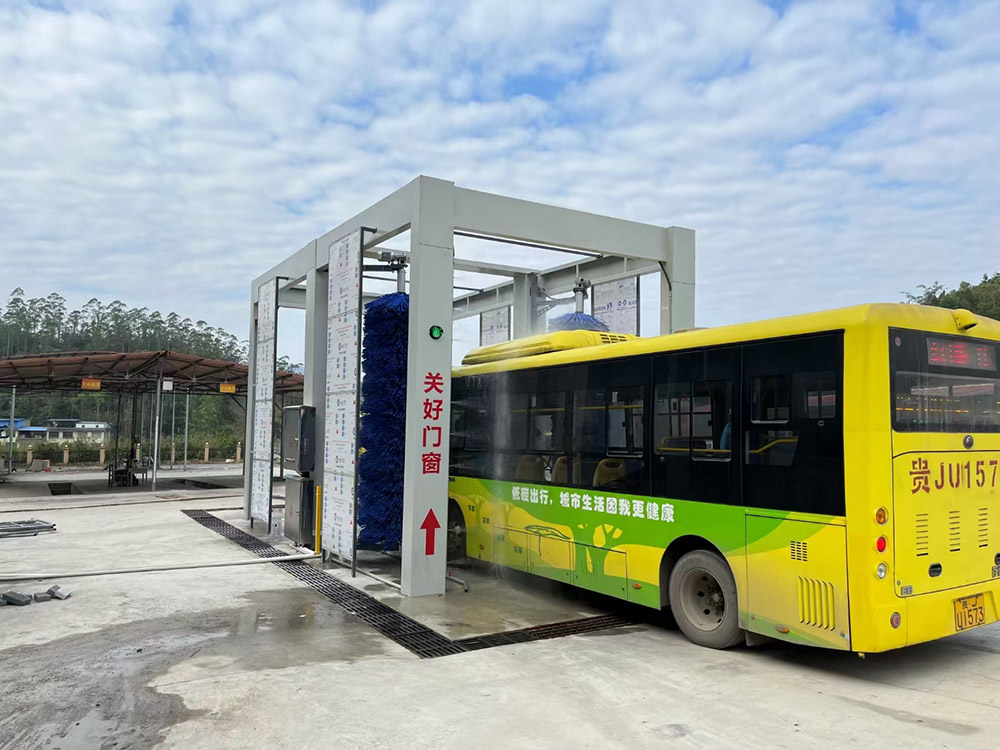
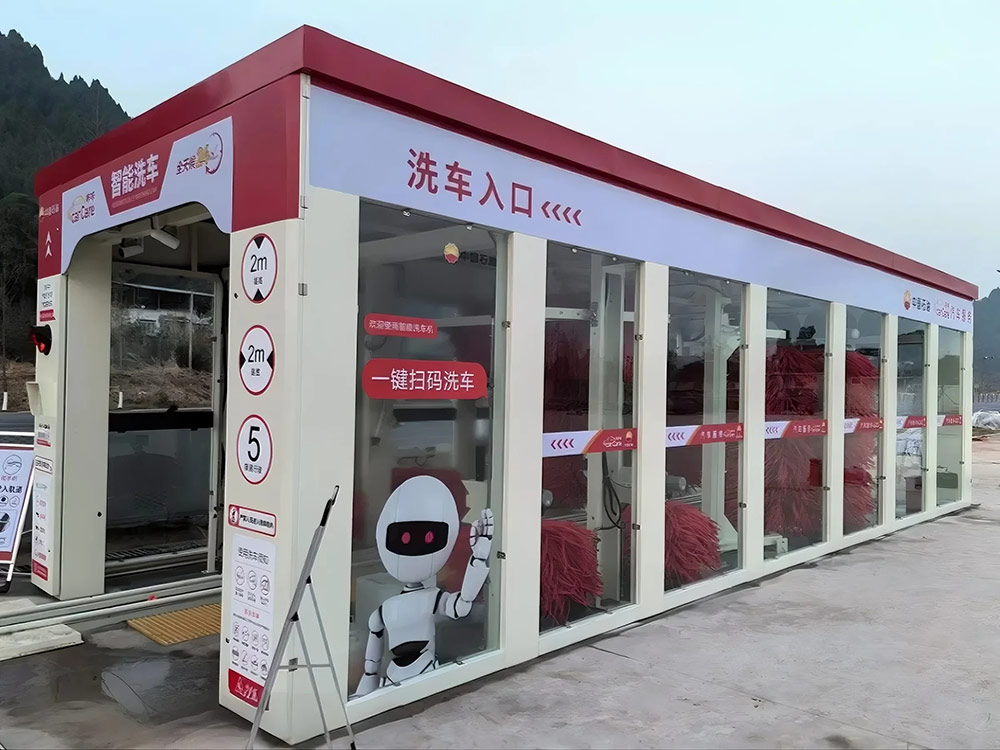
Smart car wash machines for construction vehicles are designed with advanced features to efficiently and effectively clean even the dirtiest of vehicles. These machines typically use a combination of high – pressure water jets, specialized brushes (if applicable), and intelligent control systems.
High – Pressure Water Jets
The high – pressure water jets are a key component of smart car wash machines. They can generate water pressure ranging from 1000 to 3000 PSI (pounds per square inch), depending on the model. This high – pressure water is directed at the vehicle’s tires, wheels, chassis, and body. The force of the water is strong enough to dislodge stubborn mud, dirt, and debris. For example, the water jets can easily remove dried – on cement splashes from the sides of concrete mixers or the thick layer of mud that accumulates on dump truck tires after a day of work at a muddy construction site.
Specialized Brushes (Optional)
Some smart car wash machines are equipped with specialized brushes. These brushes are designed to be gentle on the vehicle’s surface while still providing a deep clean. For areas where high – pressure water alone may not be sufficient, such as the grooves of tires or the hard – to – reach areas under the chassis, the brushes can effectively scrub away dirt. The brushes are often made of soft yet durable materials, like nylon bristles, to prevent scratching the vehicle’s paint or causing damage to sensitive components.
Intelligent Control Systems
Intelligent control systems are what set smart car wash machines apart from traditional car wash equipment. These systems use sensors to detect the size, shape, and position of the vehicle entering the wash. Once the vehicle is detected, the control system automatically adjusts the water pressure, the movement of the brushes (if present), and the duration of the wash cycle. For instance, if a large dump truck enters the wash, the system will increase the water pressure and extend the wash cycle compared to a smaller utility vehicle. Some advanced models can even be programmed to recognize different types of construction vehicles and apply pre – set wash programs tailored to their specific cleaning needs.
Water Conservation and Recycling
One of the most significant environmental benefits of smart car wash machines is their ability to conserve water. Traditional car washing methods, especially when done manually, can be extremely wasteful. A single manual car wash for a large construction vehicle can use hundreds of gallons of water. In contrast, smart car wash machines are designed with water – saving features.
Water Recycling Systems
Most smart car wash machines are equipped with water recycling systems. After the initial wash, the dirty water is collected in a holding tank. From there, it passes through a series of filters and treatment processes. The first stage of filtration typically involves removing large debris, such as rocks and chunks of mud, through a screen or a mechanical filter. Then, the water may go through sedimentation tanks, where smaller particles settle to the bottom. Next, it may be treated with chemicals to remove oil and grease, and finally, it passes through fine – mesh filters to remove any remaining suspended solids. After this multi – step treatment process, the clean water is ready to be reused in the next wash cycle.
Studies have shown that smart car wash machines with water recycling systems can reduce water consumption by up to 80%. This not only conserves a precious natural resource but also reduces the amount of wastewater that needs to be treated and disposed of. In regions where water is scarce or where there are strict water – use regulations, the water – saving capabilities of smart car wash machines are particularly valuable.
Closed – Loop Systems
In addition to water recycling, many smart car wash machines operate on a closed – loop system. This means that the water used in the wash process is contained within the machine and its associated tanks and pipes. There is minimal water loss through evaporation or splashing outside of the system. The closed – loop design also helps to prevent the release of contaminants into the environment. Since the water is continuously recycled and treated within the system, there is less risk of dirty water runoff contaminating nearby storm drains or water bodies.
Reducing Air Pollution
Smart car wash machines also play a crucial role in reducing air pollution associated with construction vehicles. By thoroughly cleaning the vehicles before they leave the construction site, these machines prevent the release of dust and particulate matter into the air as the vehicles travel on public roads.
Dust Suppression
When construction vehicles are caked with dirt and mud, the movement of the vehicle, especially at high speeds on roads, causes the dirt to be kicked up into the air, creating dust. This dust is a significant source of particulate matter pollution. Smart car wash machines remove this dirt and mud, effectively suppressing dust generation. The high – pressure water jets and brushes work together to ensure that every part of the vehicle that could potentially carry dust – producing debris is cleaned. This not only improves the air quality in the immediate vicinity of the construction site but also along the routes that the vehicles travel.
Emission Reduction
Cleaner – running vehicles also contribute to reduced emissions. Dirt and debris on a vehicle’s surface can increase aerodynamic drag, which in turn requires the vehicle’s engine to work harder. This increased workload leads to higher fuel consumption and greater emissions of pollutants such as carbon monoxide (CO), nitrogen oxides (NOx), and particulate matter. By keeping construction vehicles clean, smart car wash machines help to optimize their fuel efficiency and reduce emissions. A study by a leading automotive research institute found that vehicles with clean surfaces had up to 10% better fuel efficiency compared to those with dirty, debris – covered surfaces.
Cost – Effectiveness and Long – Term Benefits
Implementing smart car wash machines on construction sites is not only beneficial for the environment but also makes economic sense in the long run.
Reduced Cleaning Costs
While the initial investment in a smart car wash machine may seem significant, over time, it can lead to substantial cost savings. Traditional methods of cleaning construction vehicles, such as manual labor or hiring external car wash services, can be expensive. Manual cleaning requires a significant amount of labor hours, and the cost of labor can quickly add up, especially for large construction fleets. External car wash services also come with a price tag, and they may not be able to provide the same level of thorough cleaning as a dedicated smart car wash machine on – site. With a smart car wash machine, the cost of cleaning is mainly limited to the initial purchase, installation, and maintenance of the machine, as well as the cost of water and any cleaning chemicals used. The water – recycling feature further reduces the cost of water consumption, making it a cost – effective solution in the long term.
Vehicle Maintenance and Lifespan
Clean vehicles are also more likely to have a longer lifespan and require less maintenance. Dirt, mud, and debris can accumulate in the nooks and crannies of a vehicle, causing corrosion and wear over time. For example, mud trapped in the wheel wells can corrode the metal components, and debris on the undercarriage can damage the suspension and exhaust systems. By regularly cleaning vehicles with a smart car wash machine, construction companies can prevent this type of damage. This reduces the need for costly repairs and replacements, saving money in the long run. In addition, a well – maintained vehicle is also more reliable, which can help to avoid costly downtime on the construction site.
Regulatory Compliance
In many regions, there are strict environmental regulations in place to control pollution from construction sites. Construction companies that fail to comply with these regulations can face significant fines and legal consequences. Smart car wash machines can help construction companies meet these regulatory requirements.
Water Pollution Regulations
Regulations regarding water pollution often restrict the amount of sediment, oil, and other contaminants that can be discharged into storm drains or water bodies. By using smart car wash machines with water – recycling and closed – loop systems, construction companies can ensure that the water used to clean their vehicles is properly treated and that no harmful contaminants are released into the environment. This helps them to stay in compliance with water pollution regulations and avoid potential fines.
Air Pollution Regulations
Similarly, air pollution regulations aim to limit the amount of particulate matter and other pollutants released into the air. Since smart car wash machines help to reduce dust generation from construction vehicles, they assist construction companies in meeting air pollution standards. By demonstrating a commitment to environmental protection through the use of such technology, construction companies can also enhance their reputation and relationships with local communities and regulatory authorities.
The Future of Smart Car Wash Machines in Construction
As technology continues to advance, the future of smart car wash machines in the construction industry looks promising. There are several trends and developments on the horizon that could further enhance their effectiveness and environmental benefits.
Integration with Internet of Things (IoT)
The integration of smart car wash machines with the Internet of Things (IoT) is a likely development. IoT – enabled car wash machines could be connected to a central management system, allowing construction managers to monitor and control the machines remotely. They could receive real – time data on water usage, energy consumption, and the number of vehicles washed. This data could be used to optimize the performance of the machines, schedule maintenance, and make more informed decisions about resource allocation. For example, if the water – recycling system shows signs of reduced efficiency, the management system could alert maintenance staff immediately, preventing any potential disruptions to the cleaning process.
Development of Eco – Friendly Cleaning Agents
There is also a growing trend towards the development of more eco – friendly cleaning agents for use in smart car wash machines. Traditional cleaning chemicals can contain harsh substances that are harmful to the environment. However, researchers are working on developing biodegradable and non – toxic cleaning agents that are just as effective at removing dirt and grime from construction vehicles. These new cleaning agents, when used in conjunction with smart car wash machines, would further reduce the environmental impact of vehicle cleaning on construction sites.
Expansion of Automated Features
Automation is another area where smart car wash machines are likely to see further development. Future machines may be able to operate completely autonomously, with vehicles being guided into the wash by automated systems. This would not only increase the efficiency of the cleaning process but also reduce the need for human intervention, potentially reducing labor costs. In addition, automated features could be integrated with the construction site’s overall logistics system, ensuring that vehicles are cleaned at the most opportune times, minimizing delays and maximizing productivity.
In conclusion, smart car wash machines are a powerful tool in the effort to reduce pollution on construction sites. Their ability to conserve water, reduce air pollution, provide cost – effective cleaning solutions, and ensure regulatory compliance makes them an essential addition to any modern construction site. As technology continues to evolve, these machines are likely to become even more effective and integral to sustainable construction practices.
 French
  English
  German
  Portuguese
  Japanese
  Russian
  Italian
  Spanish
  Arabic