
Running a construction business requires balancing countless priorities—managing labor, meeting deadlines, staying within budget, and adhering to regulations. Every decision you make impacts your bottom line, and investing in the right equipment can make a significant difference in your operational efficiency and profitability. One such investment that often flies under the radar but delivers substantial returns is an engineering vehicle washer. Beyond simply keeping your fleet clean, a dedicated washer for construction vehicles saves your business time, money, and hassle in ways that directly impact your bottom line. In this article, we’ll explore the tangible ways an engineering vehicle washer contributes to a more efficient, cost-effective, and stress-free operation.
Saves Time by Eliminating Manual Cleaning
Manual cleaning of construction vehicles is one of the most time-consuming and labor-intensive tasks on a job site. A single heavy-duty vehicle—such as a dump truck or excavator—can take a team of workers hours to clean with hoses, brushes, and buckets. This time is time that could be spent on core construction tasks, such as excavation, framing, or concrete work, which directly contribute to project completion and revenue generation.
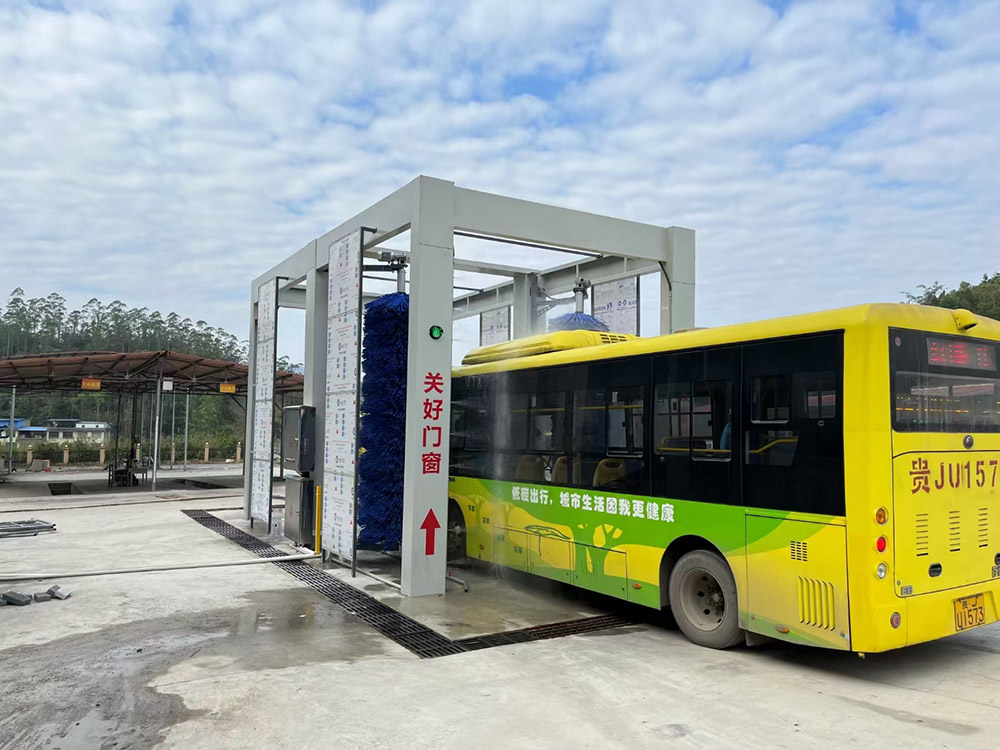
An engineering vehicle washer eliminates this inefficiency by automating or streamlining the cleaning process. A commercial-grade washer can clean a large vehicle in 30 minutes or less, with minimal labor required—often just one operator to guide the process. This frees up your team to focus on high-value tasks, reducing project timelines and allowing you to take on more work. Additionally, many washers can be used while other tasks are ongoing, further maximizing productivity. For example, you can clean vehicles at the end of the day while the rest of the team wraps up other site tasks, ensuring that the fleet is ready to go first thing in the morning.
Saves Money Through Reduced Labor Costs
Labor is one of the largest expenses for any construction business, so reducing the time your team spends on non-core tasks directly cuts costs. Manual vehicle cleaning requires multiple workers to spend hours each week on the task, which adds up to significant labor costs over time. An engineering vehicle washer reduces the number of workers needed for cleaning and the time they spend on it, resulting in immediate savings.
For example, if two workers spend 10 hours per week cleaning vehicles at an average hourly rate of $25, that’s $500 per week in labor costs dedicated to cleaning—over $26,000 per year. With an engineering vehicle washer, that same cleaning can be done by one worker in 2 hours per week, reducing labor costs to $50 per week, or $2,600 per year—a savings of over $23,000 annually. These savings can be reinvested into other areas of your business, such as new equipment, training, or project expansion.
Reduces Equipment Maintenance and Replacement Costs
Construction equipment is a major investment, and keeping it in good condition is essential for minimizing maintenance and replacement costs. Dirt, mud, oil, and debris that accumulate on vehicles can cause corrosion, rust, and premature wear on critical components, such as engines, brakes, hydraulic systems, and tires. Over time, this leads to frequent repairs, reduced equipment performance, and shortened lifespans—all of which are costly.
Regular cleaning with an engineering vehicle washer removes these harmful contaminants before they can cause damage, extending the lifespan of your equipment and reducing maintenance costs. For example, a clean engine runs more efficiently, reducing fuel consumption and the risk of overheating. Clean hydraulic systems are less likely to develop clogs or leaks, which can be expensive to repair. By extending the lifespan of your equipment by just a few years, you can avoid the high cost of replacing heavy-duty machinery, which can run into hundreds of thousands of dollars. Additionally, regular cleaning helps maintain the resale value of your equipment, should you decide to upgrade in the future.
Avoids Costly Fines and Legal Hassles
Environmental regulations regarding water runoff and pollution are becoming increasingly strict across the United States, and non-compliance can result in heavy fines, legal disputes, and damage to your business’s reputation. When construction vehicles leave the site covered in contaminants, they can track dirt and chemicals onto public roads or contribute to water pollution, violating local, state, or federal regulations.
An engineering vehicle washer is designed to contain and treat wastewater, preventing pollutants from escaping the site and keeping your business compliant. Many models feature built-in water recycling systems that capture solids and remove contaminants, ensuring that water is safely discharged or reused. By investing in a washer, you avoid the risk of fines, which can range from thousands to tens of thousands of dollars per violation. You also avoid the hassle of legal disputes and the damage to your reputation that comes with non-compliance—both of which can have long-term financial impacts on your business.
Minimizes Operational Hassles and Downtime
Operational downtime and unexpected hassles can disrupt your construction schedule, delay projects, and cost you money. A breakdown in your fleet due to poor maintenance (caused by lack of cleaning) can bring work to a halt, requiring emergency repairs and delaying project milestones. Similarly, a compliance violation can result in site shutdowns or legal delays, which are costly and stressful.
An engineering vehicle washer minimizes these hassles by keeping your fleet in good working order and your operation compliant. Regular cleaning reduces the risk of equipment breakdowns, ensuring that your vehicles are available when you need them. Compliance with environmental regulations avoids site shutdowns and legal issues, allowing your projects to proceed smoothly. Additionally, a clean fleet is a safer fleet—clean tires, windshields, and mirrors reduce the risk of accidents, which can cause downtime, injuries, and additional costs. By reducing these operational hassles, you can focus on running your business rather than putting out fires.
Conclusión
An engineering vehicle washer is more than just a tool for keeping your fleet clean—it’s a strategic investment that saves your business time, money, and hassle. By eliminating time-consuming manual cleaning, reducing labor costs, extending equipment lifespan, avoiding costly fines, and minimizing operational downtime, a washer delivers tangible returns that directly impact your bottom line. For construction business owners looking to streamline operations, reduce costs, and avoid unnecessary stress, an engineering vehicle washer is a smart choice that pays for itself time and time again. In a competitive industry where every dollar and every minute counts, investing in a washer is a simple way to gain a competitive edge and ensure the long-term success of your business.



 Spanish
  English
  German
  French
  Portuguese
  Japanese
  Russian
  Italian
  Arabic