
For commercial fleet operators, every decision related to vehicle maintenance is tied to efficiency, cost savings, and regulatory compliance. Investing in a flatbed wheel washer is not just a matter of keeping vehicles clean—it’s a strategic choice that delivers tangible benefits across multiple areas of your operation. From saving time to protecting your fleet’s lifespan, the advantages of this specialized equipment make it a valuable asset for any flatbed truck operation.
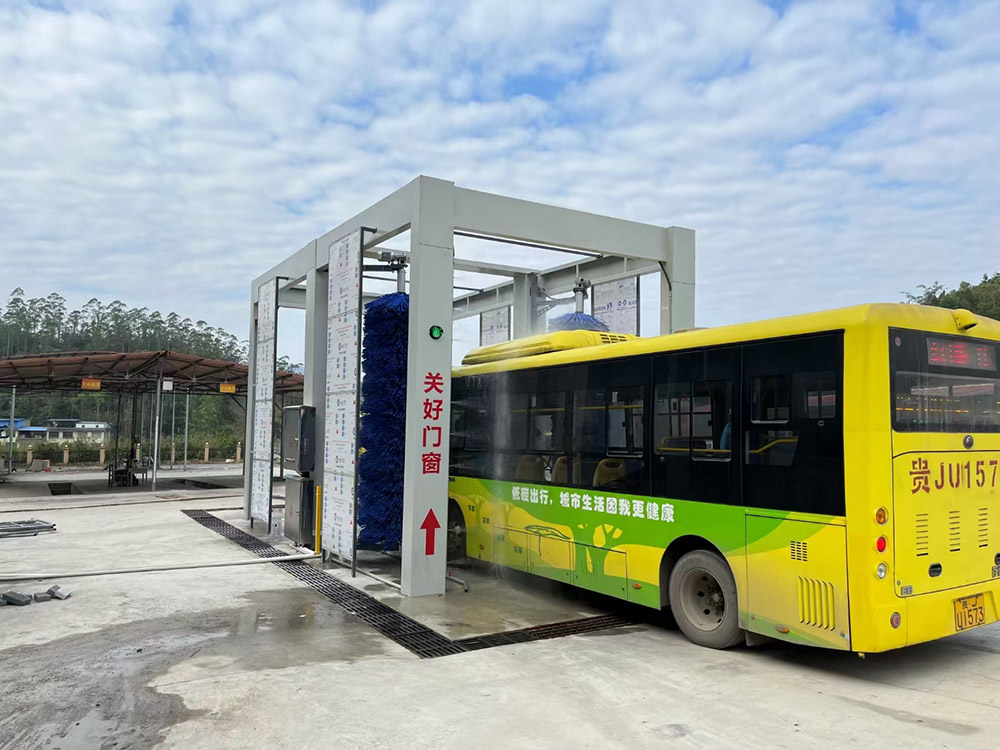
One of the most immediate benefits of a flatbed wheel washer is time savings. Manual cleaning of flatbed wheels and undercarriages is a labor-intensive process that can take hours per vehicle. A flatbed wheel washer automates this task, cleaning a vehicle in 5 to 15 minutes depending on the system. This automation eliminates the need for dedicated cleaning crews and frees up your team to focus on more critical tasks, such as vehicle inspections, maintenance, or route planning. For fleets with multiple vehicles, the cumulative time savings can be substantial, reducing downtime and getting your trucks back on the road faster.
Another key benefit is reduced wear and tear on your fleet, which translates to lower maintenance costs and longer vehicle lifespans. Flatbed trucks operating in industries like construction, agriculture, or mining are exposed to harsh contaminants—mud, dirt, gravel, and corrosive substances like road salt or chemicals. These contaminants accumulate on wheels, tires, and undercarriage components, leading to rust, corrosion, and premature wear of critical parts such as bearings, axles, brake pads, and suspension systems. Regular cleaning with a flatbed wheel washer removes these contaminants before they can cause damage, extending the life of your vehicles and reducing the frequency of costly repairs. Over time, this can result in significant savings, as the cost of a washer is often offset by reduced maintenance expenses.
Staying compliance-ready is another major advantage of using a flatbed wheel washer. Across the United States, many cities, states, and local authorities have strict regulations regarding vehicle cleanliness, particularly for trucks entering urban areas, construction sites, school zones, or environmentally sensitive regions (such as wetlands or waterways). These regulations are designed to prevent the spread of dirt, debris, and pollutants from job sites to public roads and natural areas. Failing to comply can result in fines, penalties, or even temporary suspension of operations. A flatbed wheel washer ensures that your vehicles meet these cleanliness standards consistently, eliminating the risk of non-compliance and the associated consequences. It also provides a reliable record of cleaning activities, which can be valuable in the event of an inspection.
Water and cost efficiency are additional benefits that should not be overlooked. Modern flatbed wheel washers are equipped with water recycling systems, which filter and reuse water for subsequent washes. This reduces water consumption by up to 80% compared to manual cleaning or systems that use fresh water for every cycle. Lower water usage not only reduces your water bills but also helps your operation meet environmental sustainability goals. Additionally, the automation of the cleaning process reduces labor costs, as you no longer need to hire or allocate staff to handle manual cleaning tasks.
Finally, a clean fleet can also enhance your operation’s reputation. While this is a more intangible benefit, maintaining clean, well-kept vehicles sends a message of professionalism to clients, partners, and the public. It shows that you take pride in your operation and are committed to responsible business practices.
In conclusion, a flatbed wheel washer offers a range of practical benefits for commercial fleet operators: time savings, reduced maintenance costs, compliance assurance, water efficiency, and enhanced professionalism. By investing in this specialized equipment, you can optimize your operations, protect your fleet, and avoid the pitfalls of non-compliance—all while improving your bottom line.



 Spanish
  English
  German
  French
  Portuguese
  Japanese
  Russian
  Italian
  Arabic