
Efficient Truck Wheel Wash for Landfill Sites: Keeping Operations Clean and Compliant
Maintaining cleanliness and compliance at landfill sites is essential for environmental protection and regulatory adherence. One critical aspect often overlooked is the proper washing of truck wheels to prevent contamination from waste materials. Inefficient wheel washing can lead to soil erosion, illegal dumping, and hefty fines. But what challenges do landfill operators face in this process? How can they ensure both efficiency and compliance? Let’s explore these questions and uncover solutions.
The Challenges of Truck Wheel Washing at Landfill Sites
1. Contamination Risks

Trucks transporting waste frequently come into contact with hazardous materials like chemicals, heavy metals, and biological waste. If not properly washed, these substances can spread into surrounding areas, contaminating soil and water sources. What steps can landfill operators take to mitigate this risk?
2. Time and Resource Constraints
Traditional wheel washing methods can be time-consuming and resource-intensive. Long queues at washing stations can delay operations, affecting productivity. Additionally, water usage and energy consumption must be optimized to remain cost-effective and environmentally friendly.
3. Regulatory Compliance
Many regions have strict regulations regarding waste disposal and environmental protection. Landfills must adhere to these rules to avoid penalties. How can operators ensure their wheel washing processes meet all legal requirements?
4. Equipment Durability
Wheel washing systems at landfill sites are exposed to harsh conditions, including abrasive materials and extreme weather. The equipment must be durable enough to withstand constant use without frequent repairs.
Efficient Truck Wheel Wash Solutions
Automated Wheel Washing Systems
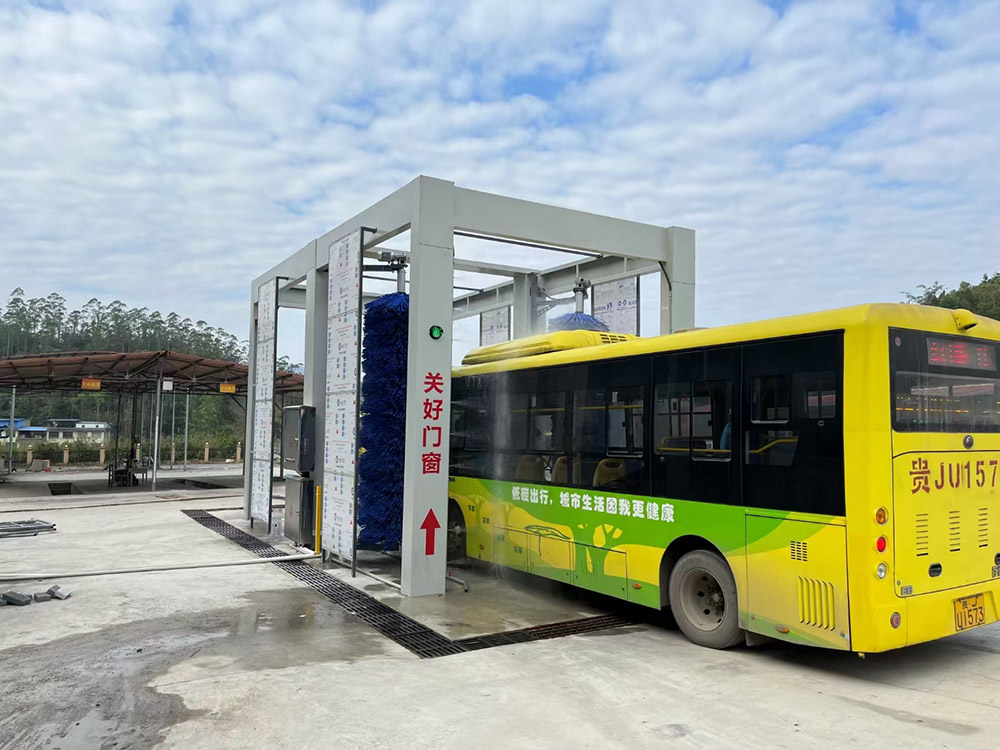
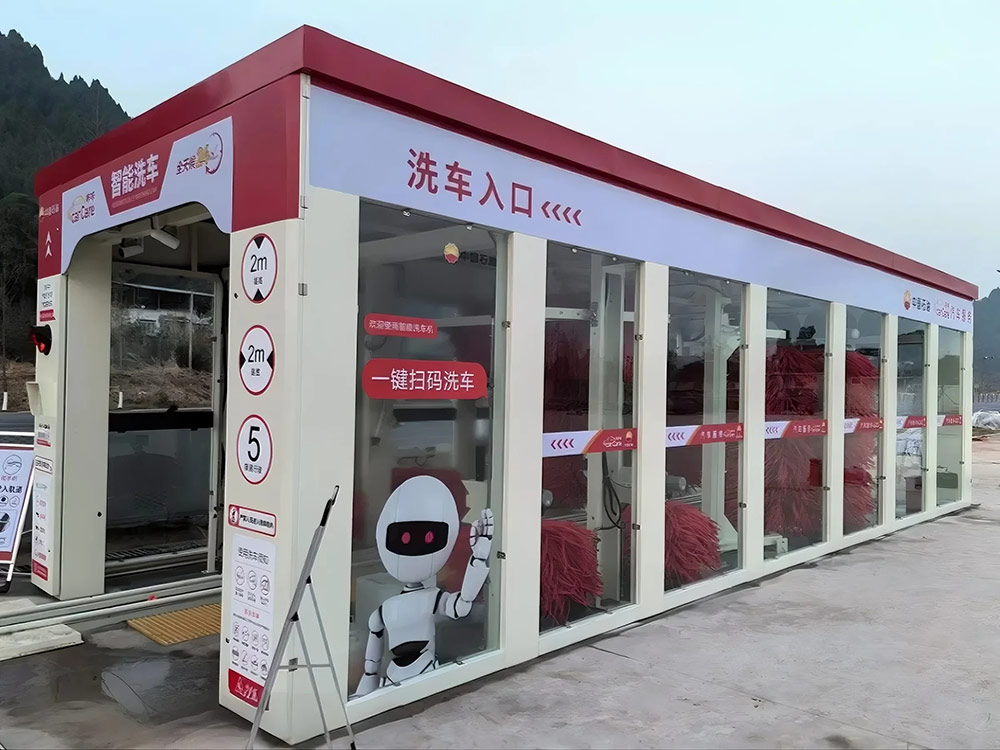
Investing in automated wheel washing stations can significantly improve efficiency. These systems use high-pressure water jets, brushes, and detergents to remove contaminants effectively. Automated solutions reduce manual labor, minimize water waste, and ensure consistent cleaning quality.
Water Recycling Technologies
To address environmental concerns, modern wheel washers incorporate water recycling systems. By treating and reusing wash water, landfills can reduce their water footprint while maintaining cleanliness. This innovation aligns with sustainability goals and regulatory standards.
Regular Maintenance and Audits
To keep operations running smoothly, landfill operators should schedule regular maintenance checks for wheel washing equipment. Additionally, conducting compliance audits ensures that all processes meet local and national regulations.
Employee Training
Well-trained staff can operate wheel washing systems more efficiently and identify potential issues before they escalate. Training programs should focus on safety protocols, equipment operation, and environmental best practices.
Why Clean Wheels Matter for Landfill Sites
Clean truck wheels prevent the spread of hazardous waste, protecting nearby ecosystems and communities. Moreover, compliance with environmental regulations avoids costly fines and legal disputes. Efficient wheel washing not only safeguards the environment but also enhances operational reputation.
Compartir buenas prácticas
Landfill operators can benefit from sharing insights and innovations with industry peers. For example, exchanging knowledge about automated washing systems or water recycling techniques can lead to collective improvements. Joining industry forums or attending conferences can facilitate these knowledge-sharing opportunities.
Conclusión
Efficient truck wheel washing is a cornerstone of sustainable landfill operations. By addressing challenges related to contamination, resource efficiency, and compliance, landfill sites can maintain high standards while operating smoothly. Investing in advanced technologies, regular maintenance, and staff training will ensure long-term success in keeping operations clean and compliant.
For landfill operators seeking to optimize their wheel washing processes, the solutions outlined here can pave the way toward a more efficient, sustainable, and legally compliant future.


 Spanish
  English
  German
  French
  Portuguese
  Japanese
  Russian
  Italian
  Arabic