
working principle
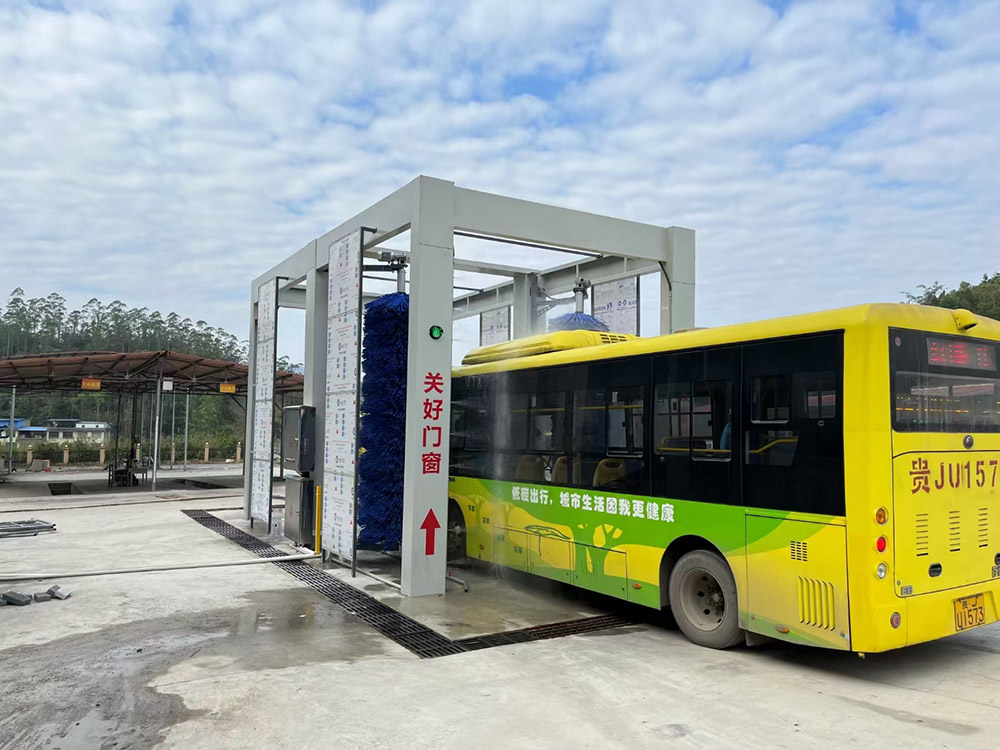
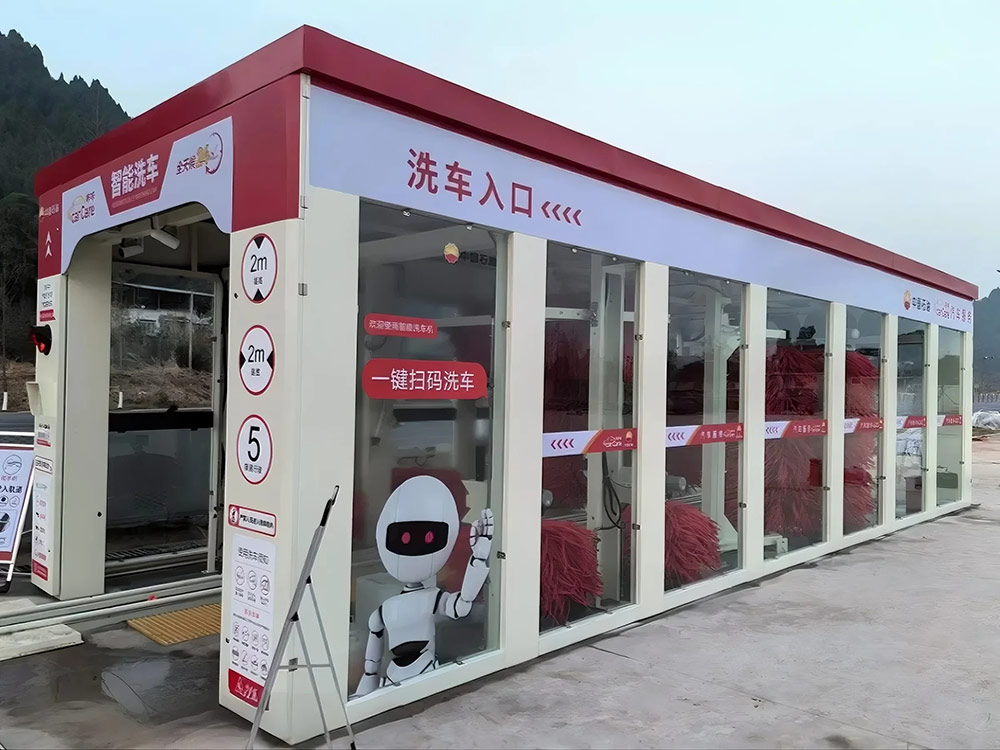
The contactless car washing machine utilizes high-pressure water jets in conjunction with an intelligent control system to achieve a fully automated car washing process. As the mainstream maintenance equipment in the automotive aftermarket, its core advantage lies in maintaining a safe distance between the robot arm or nozzle and the vehicle body, coupled with photoelectric detection devices to automatically identify the vehicle model, and dynamically adjust the water pressure and nozzle angle. The standardized process covers high-pressure washing, foam cleaning, air drying and other links to avoid paint damage caused by physical contact throughout. The equipment uses neutral car wash fluid and glossy wax to clean and form a protective film, which meets international environmental standards.

Core strengths
1. Efficient homework performance: A single car wash takes only 3-5 minutes (as measured by the fourth generation equipment, the entire process is completed in 3 minutes and 15 seconds), with an average daily service volume of 450 units, which is three times more efficient than traditional manual car washes.
2. Environmental and water-saving design: Single water consumption of 18-30 liters, water-saving rate of 70% -90%, combined with wastewater circulation system, equivalent to planting 3000 trees per year to reduce carbon emissions.
3. Zero contact car protection: No physical friction, scratch rate controlled below 0.02%, car paint protection effect verified by high-end car owners.
4. Intelligent operation and maintenance system: supports 24-hour unmanned operation, with an AI visual recognition accuracy of 99.3% and remote monitoring reducing operation and maintenance costs by 60%.
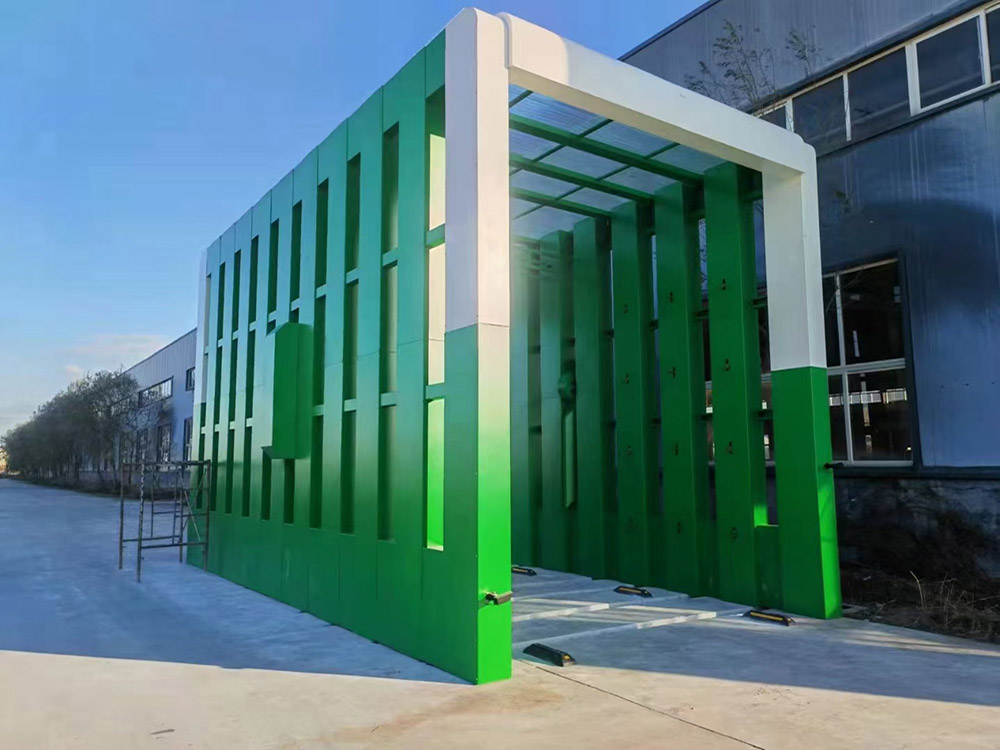
5. Multi scenario adaptability: The modular structure supports rapid deployment within 15 days, adapts to extreme environments ranging from 30 ℃ to 50 ℃, and can be optionally equipped with photovoltaic power generation modules.
6. Outstanding business benefits: occupying a standard area of 40 square meters, saving 90% of labor costs, and cooperating with the member management system to improve business return.


 Spanish
  English
  German
  French
  Portuguese
  Japanese
  Russian
  Italian
  Arabic