
Car Wash Systems Maintenance Schedule: A Comprehensive Guide for Optimal Performance
A car wash system is a significant investment for any business, whether it’s a small automatic wash or a large commercial facility. To ensure longevity, efficiency, and customer satisfaction, regular maintenance is essential. However, many owners wonder: What does a proper maintenance schedule look like? How often should components be checked? And what are the common issues that can arise if maintenance is neglected? This guide will address these questions and provide a comprehensive maintenance plan to keep your car wash system running smoothly.
Why Regular Maintenance Matters
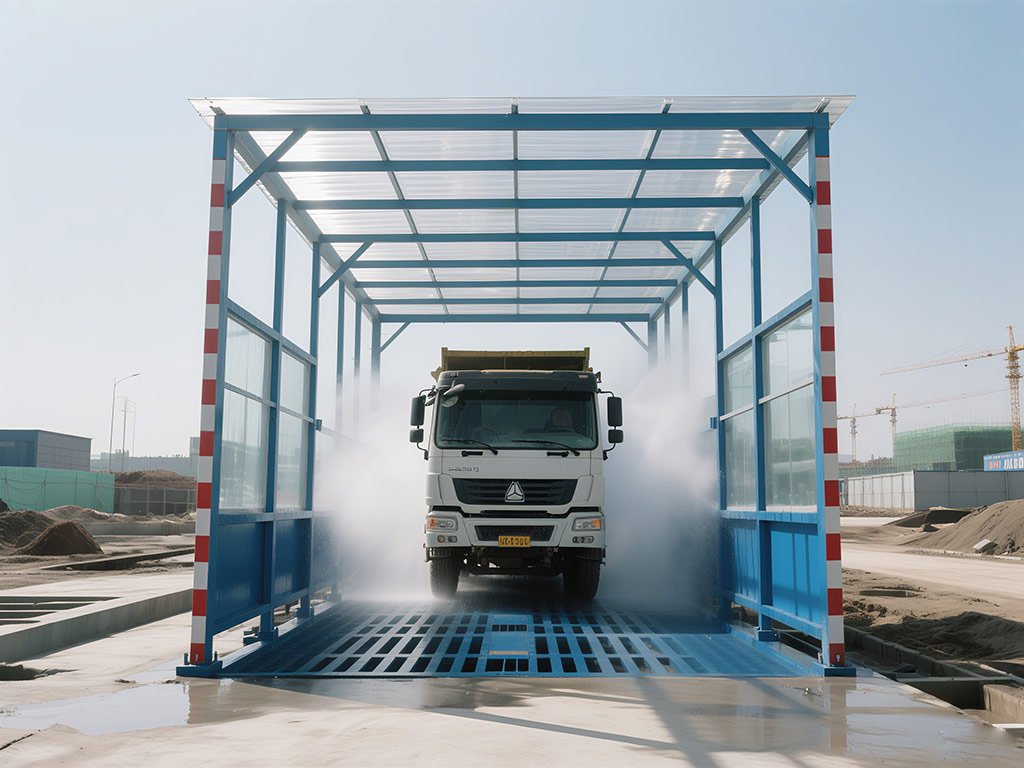
Car wash systems consist of numerous components—high-pressure pumps, conveyor belts, spray nozzles, detergents, and water heaters—each working together to deliver a clean car. Over time, wear and tear can lead to reduced performance, increased costs, and even system breakdowns. Regular maintenance not only extends the life of your equipment but also ensures consistent quality, which keeps customers happy and your business profitable.
Key Components to Monitor
1. High-Pressure Pumps
High-pressure pumps are the heart of your car wash system. Without proper care, they can suffer from leaks, reduced flow, or complete failure. How often should they be checked? Monthly inspections for leaks and annual replacement of seals and O-rings are recommended.
2. Conveyor Belts
Conveyor belts transport vehicles through the wash. If they are dirty, worn, or misaligned, they can cause damage to cars or break down entirely. What’s included in conveyor belt maintenance? Regular cleaning, tension checks, and lubrication of moving parts will keep them running smoothly.
3. Spray Nozzles and Detergent Systems
Clogged or malfunctioning nozzles can lead to uneven cleaning and water wastage. How can you prevent this? Weekly checks for blockages and monthly replacement of worn nozzles are essential. Additionally, ensure your detergent system is delivering the correct concentration for optimal cleaning.
4. Water Filtration and Heating Systems
Clean water is crucial for an effective wash. How do you maintain filtration systems? Replace filters every 3-6 months, depending on usage. For water heaters, check for corrosion and efficiency monthly to avoid energy waste.
5. Electrical and Mechanical Components
Faulty wiring, sensors, or motors can lead to unexpected downtime. What should be done? Annual professional inspections can identify potential issues before they become costly problems.
Common Maintenance Mistakes to Avoid
- Neglecting Small Issues – A small leak or unusual noise can indicate a bigger problem if ignored.
- Using Low-Quality Parts – Cheaper replacements may save money upfront but often lead to frequent failures.
- Skipping Professional Inspections – While DIY maintenance is important, some tasks require expert attention.
Comparta su experiencia
Maintaining a car wash system is an ongoing process, but with the right approach, it doesn’t have to be overwhelming. Have you faced any unique challenges with your car wash equipment? What tips would you add to this maintenance guide? Share your insights in the comments below—helping others can improve the performance of car wash systems everywhere!
By following this comprehensive maintenance schedule, you’ll not only save money on repairs but also ensure your car wash remains a favorite among customers. For more tips on car wash operations, stay tuned to our blog!


 Spanish
  English
  German
  French
  Portuguese
  Japanese
  Russian
  Italian
  Arabic