
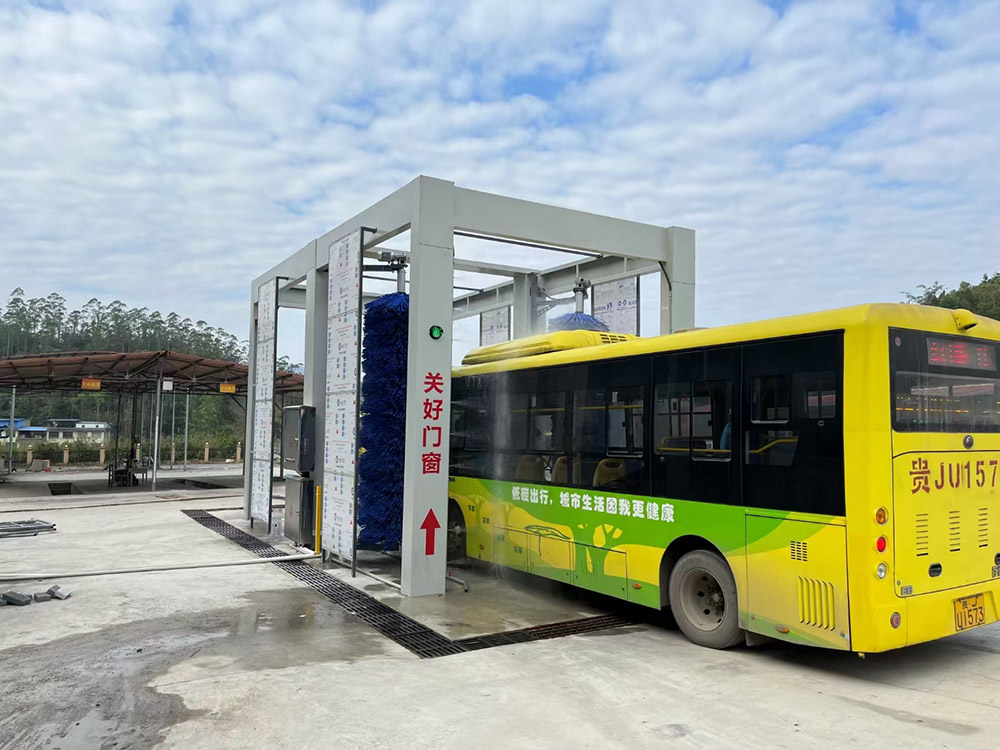
Engineering vehicles get dirty easily during work. Cleaning them manually is slow and tiring. A professional washer changes this completely. It makes the whole process smoother and faster. This is key to boosting your overall efficiency.
First, Save Time on Daily Cleaning
Washing engineering vehicles takes time every day. However, a good washer cuts this time down quickly. It works fast without sacrificing cleaning quality. You won’t wait hours for one vehicle to be clean. Instead, you can move to the next task sooner. This helps you finish more work in a day.

Next, Reduce Effort for Your Team
Manual cleaning requires heavy physical work. Your team may feel exhausted after washing just one vehicle. A professional washer eases this burden significantly. It handles the hard parts on its own. Your team can focus on more important jobs instead. This also keeps their energy levels high all day long.
Also, Keep Equipment in Good Shape
Dirt and grime can damage engineering vehicles over time. Regular cleaning is necessary to avoid this. A professional washer cleans thoroughly every time. It removes even hard-to-reach dirt gently. This prevents wear and tear on your equipment. Your vehicles will last longer with less maintenance needed.
Furthermore, Avoid Unnecessary Delays
Delays in cleaning can hold up your work schedule. Manual cleaning often causes these avoidable pauses. A professional washer works consistently and reliably. It doesn’t slow down your operations. You can stick to your timeline without unexpected stops. This keeps your projects on track.
Finally, Adapt to Different Needs
Engineering vehicles come in different sizes and types. A professional washer can handle all of them. It adjusts easily to different vehicle shapes. You don’t need separate tools for each one. This adds more convenience to your daily work. It also makes the washer a versatile tool for your team.
A professional engineering vehicle washer is more than a cleaning tool. It streamlines your workflow in many ways. It saves time, reduces effort, and protects your equipment. It also helps you avoid delays and adapt to changes. Investing in one will clearly boost your overall efficiency.

 Spanish
  English
  German
  French
  Portuguese
  Japanese
  Russian
  Italian
  Arabic