
Low Water Usage Truck Wheel Wash: The Eco-Friendly Solution for Your Fleet
Maintaining a clean fleet is essential for both safety and branding, but traditional truck wheel washing methods can be resource-intensive. High water consumption, chemical runoff, and environmental concerns are common challenges faced by fleet managers. So, what is the solution? A low water usage truck wheel wash system offers an eco-friendly alternative that reduces waste while maintaining high standards of cleanliness.
Why Traditional Truck Washes Are Problematic
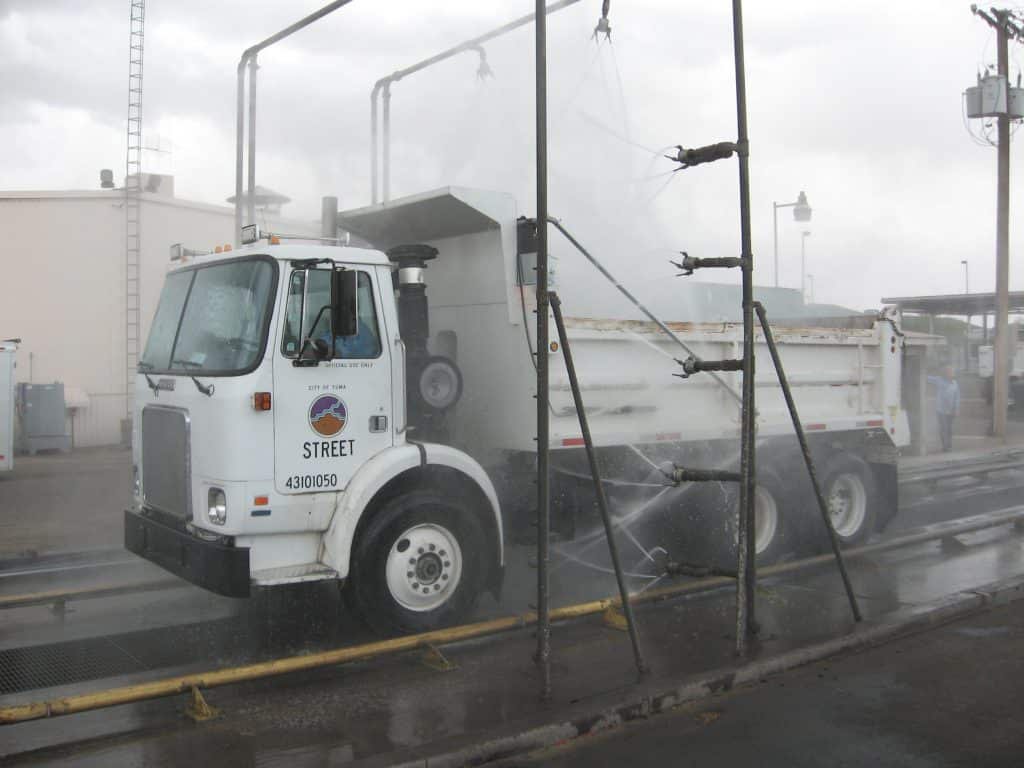
Many conventional wheel washing systems rely on large amounts of water to remove grime, dirt, and brake dust. This high water usage can lead to several issues:
- Water Waste: Truck washing can consume thousands of liters of water per wash, contributing to water scarcity in drought-prone areas.
- Chemical Pollution: The soaps and detergents used can contaminate local waterways, harming aquatic ecosystems.
- High Operational Costs: Water and energy consumption drive up maintenance expenses for fleets.
Given these challenges, fleet managers are increasingly seeking sustainable alternatives.
Introducing Low Water Usage Truck Wash Systems
A low water usage truck wheel wash system is designed to minimize water consumption without compromising cleaning efficiency. These systems use advanced technologies such as:
- High-Pressure Nozzles: Deliver concentrated water streams to target dirt and grime.
- Recirculation Systems: Reuse water multiple times, reducing overall consumption.
- Biodegradable Detergents: Environmentally friendly cleaning agents that break down safely.
By adopting such systems, fleets can achieve spotless wheels while significantly cutting water usage. For example, some modern washers can reduce water consumption by up to 80% compared to traditional methods.
Key Benefits for Fleets
Environmental Sustainability
One of the primary advantages of low water usage wheel washes is their minimal environmental impact. By cutting water waste and chemical pollution, fleets can align with green initiatives and corporate social responsibility goals.
Cost Savings
Reduced water consumption directly translates to lower utility bills. Additionally, fewer chemicals mean less waste disposal, further reducing operational costs.
Enhanced Efficiency
Modern low-water wash systems are designed for speed and precision. Quick, efficient washes mean fleets spend less time idling and more time on the road, improving productivity.
Compliance with Regulations
As environmental regulations become stricter, fleets must adopt sustainable practices. Low water usage washes help companies stay compliant while maintaining high cleanliness standards.
Addressing Common Questions
Q: Are low water usage washes as effective as traditional methods?
A: Yes! Advanced nozzles and detergents ensure thorough cleaning. Many systems even come with certifications proving their cleaning efficacy.
Q: How do these systems integrate with existing fleet operations?
A: Most low water usage washers can be installed at existing wash bays with minimal modifications, ensuring a smooth transition.
Q: What about maintenance costs?
A: These systems are designed for durability, with lower maintenance requirements compared to older models.
Compartir buenas prácticas
To maximize the benefits of low water usage wheel washes, fleet managers should:
– Conduct regular system checks to ensure optimal performance.
– Train staff on proper wash procedures for best results.
– Monitor water usage data to identify further efficiency improvements.
By sharing insights and success stories, fleets can inspire others to make the switch to eco-friendly washing solutions.
Conclusión
Low water usage truck wheel wash systems are a smart, sustainable choice for any fleet. They address environmental concerns, reduce costs, and maintain high cleaning standards. As the industry moves toward greener practices, adopting these technologies will not only benefit the planet but also enhance fleet efficiency and reputation. The future of fleet maintenance is here, and it’s water-wise.
For more information on implementing eco-friendly washing solutions, consult industry experts or explore case studies from leading fleet operators. Together, we can create a cleaner, more sustainable future for transportation.


 Spanish
  English
  German
  French
  Portuguese
  Japanese
  Russian
  Italian
  Arabic