
How did wheel wash machines become such a staple in modern landfill operations? These hardworking systems are built to blast mud, debris, and contaminants off vehicle wheels before they leave the site—simple in concept, but game-changing for keeping public roads free of pollutants. As landfill regulations have tightened over the years, these machines have gone from “nice-to-have” equipment to non-negotiable infrastructure, critical for staying compliant and doing right by the environment.
Take operational efficiency, for instance. Wheel wash systems cut down on manual labor and keep site operations running smoothly. Automated models can handle dozens of vehicles an hour, slashing wait times at exit gates. Today’s systems use high-pressure water jets and advanced cleaning setups that get wheels and undercarriages spotless with barely any human oversight. That means landfill teams can shift their focus to more pressing tasks—all while making sure every vehicle gets the same thorough clean.
The environmental perks are just as compelling, starting with sediment control. By keeping tracked mud and debris from leaving the site, these machines prevent those pollutants from seeping into stormwater systems and local waterways. And modern systems are far more water-efficient too—many use recycling tech that cuts water use by up to 90% compared to old-school methods. Closed-loop filtration systems catch and reuse water, while chemical treatments make sure that recycled water still cleans just as effectively.
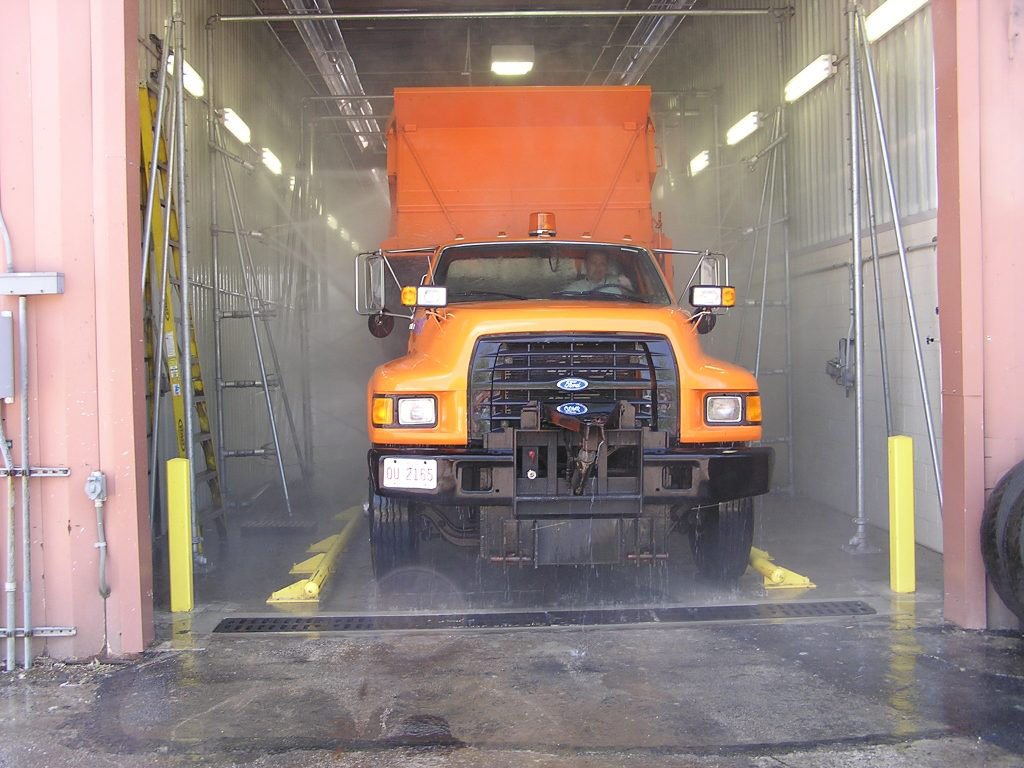
So how do landfill operators pick the right system? It all comes down to their specific needs—there are a few key factors to weigh. High-traffic sites might need high-throughput setups with multiple wash bays, while smaller operations could get by with compact, modular designs. Then there’s the fixed vs. portable debate: do you need a permanent setup, or something that can move as landfill cells open and close?
Getting a wheel wash program right takes more than just installing the machine, though. One landfill operator I spoke with shared a common lesson: “We didn’t realize how critical site preparation would be at first. After heavy rains caused drainage issues, we reworked the area around the washer to add proper grading and retention basins. That small fix didn’t just make the washer work better—it improved our whole site’s drainage too.”
Looking ahead, wheel wash tech is heading toward smarter, greener solutions. Linking washers with weigh stations and vehicle tracking software creates a more connected management system, while better water treatment tech keeps shrinking the environmental footprint. For landfill operators facing growing pressure to cut their ecological impact, wheel wash machines are a perfect example of how tech innovation can boost both efficiency and responsibility.


 German
  English
  French
  Portuguese
  Japanese
  Russian
  Italian
  Spanish
  Arabic