
Understanding Wheel Cleaning Technology
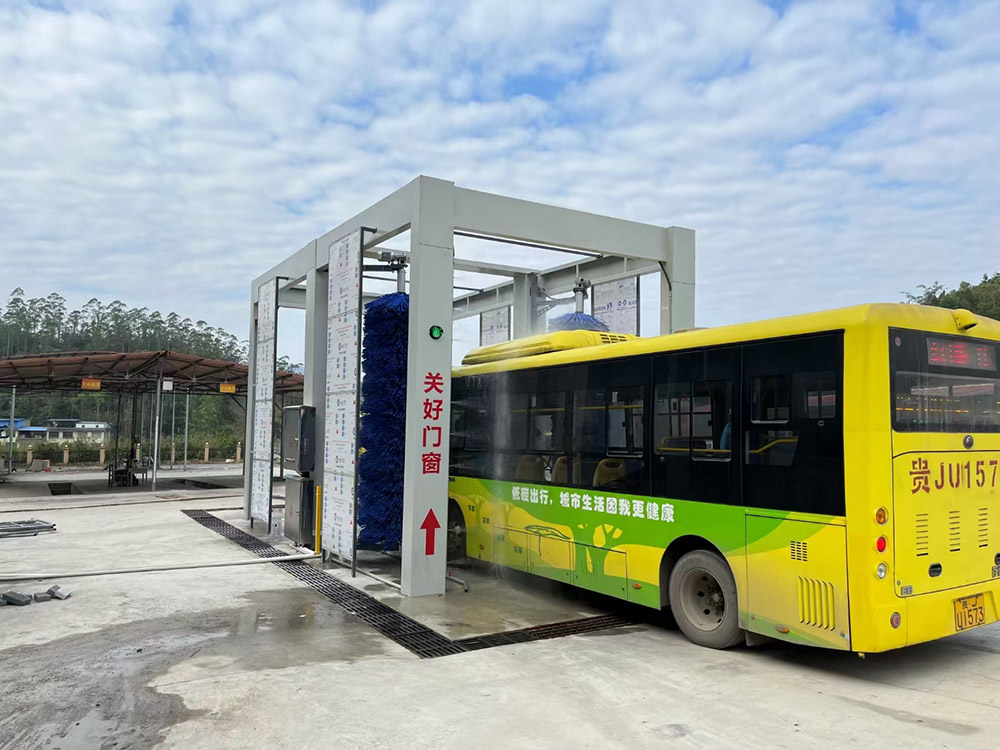
Wheel washers have become essential equipment for many industries. They help maintain cleanliness and safety standards. These machines efficiently remove dirt and debris from vehicle wheels. Therefore, they are valuable assets for various operations.
What Makes a Wheel Washer Effective
The best wheel washers combine power with efficiency. They use high-pressure water to clean thoroughly. Additionally, they feature durable construction for long-term use. Modern designs also incorporate water-saving technologies. This makes them environmentally friendly and cost-effective.
Types of Wheel Washers Available
Different applications require different wheel washer solutions. Some models are stationary while others are mobile. Certain systems use brushes for extra scrubbing power. Others rely solely on water pressure for cleaning. Each type has specific advantages for particular situations.
Key Features to Consider
When evaluating wheel washers, several factors matter most. Water pressure levels determine cleaning effectiveness. Tank capacity affects how long the machine can operate without refilling. Energy efficiency impacts operational costs over time. Maintenance requirements also influence long-term satisfaction.
Benefits of Quality Wheel Washers
Investing in a quality wheel washer offers numerous advantages. It improves workplace safety by reducing slip hazards. Moreover, it enhances the appearance of vehicles and equipment. Clean wheels also extend the life of braking systems. This results in significant cost savings over time.
Industries That Rely on Wheel Washers
Many different sectors benefit from wheel washing technology. Construction sites use them to remove mud from heavy machinery. Transportation companies clean vehicle wheels regularly. Agricultural operations wash equipment to prevent soil transfer. Each industry finds unique value in these machines.
Maintenance Tips for Wheel Washers
Proper maintenance ensures optimal performance and longevity. Regularly check water filters for clogs. Clean spray nozzles to prevent uneven water distribution. Inspect hoses for leaks or damage. Additionally, follow the manufacturer’s service schedule diligently.
Choosing the Right Wheel Washer
Selecting the best wheel washer requires careful consideration. Assess your specific cleaning needs and volume. Consider available space and utility connections. Evaluate your budget for both purchase and operation. Research different models to find the best match.
Umweltbezogene Überlegungen
Modern wheel washers increasingly focus on sustainability. Water recycling systems reduce consumption significantly. Biodegradable detergents minimize environmental impact. Energy-efficient motors lower electricity usage. These features make wheel washing more eco-friendly.
Future of Wheel Washing Technology
Innovation continues to improve wheel washer capabilities. Smart systems now monitor cleaning performance automatically. Touchscreen interfaces simplify operation for all users. Advanced filtration technologies produce cleaner water for reuse. These developments promise even greater efficiency.
Schlussfolgerung
Finding the best wheel washer requires understanding your specific needs. Consider factors like cleaning power, efficiency, and durability. Quality wheel washers provide long-term value for many applications. They maintain safety standards while improving equipment appearance. With proper maintenance, they offer reliable service for years to come.


 German
  English
  French
  Portuguese
  Japanese
  Russian
  Italian
  Spanish
  Arabic