
Low Water Consumption Car Wash Systems: The Future of Eco-Friendly Car Washing
The car wash industry has long been criticized for its significant water consumption, but advancements in technology have introduced innovative solutions that are reshaping the future of eco-friendly car washing. Low water consumption car wash systems are gaining traction for their efficiency, sustainability, and ability to deliver a clean car without compromising on quality. But what exactly are these systems, and how can they address the environmental concerns associated with traditional car washing?
The Problem: Water Waste in Traditional Car Washing
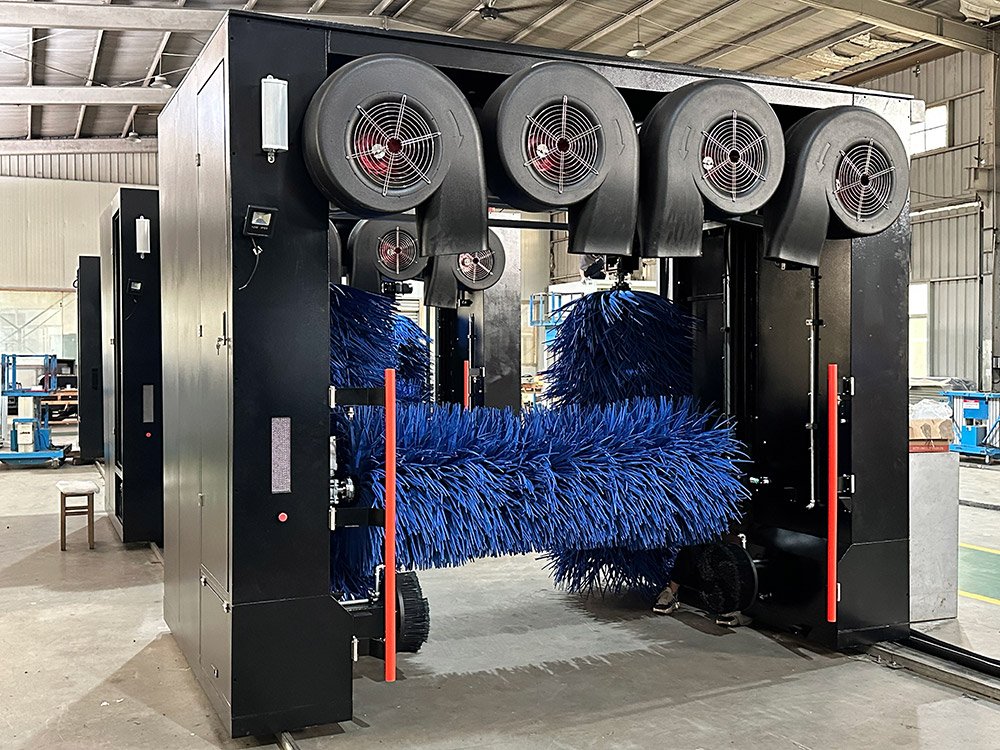
Traditional car washes often rely on high-pressure water usage, which can consume thousands of gallons per wash. This not only strains local water resources but also increases energy consumption for heating water, contributing to higher carbon emissions. Additionally, the runoff from car washes can contain soaps, oils, and other chemicals that pollute waterways, harming aquatic ecosystems.
How can the industry reduce this environmental impact while still providing customers with a convenient and effective cleaning service? The answer lies in low water consumption car wash systems.
The Solution: Low Water Car Wash Technologies
Modern low water car wash systems employ innovative techniques to minimize water usage without sacrificing cleanliness. Here are some of the key technologies driving this shift:
1. Water Recirculation Systems
Many eco-friendly car washes use closed-loop systems that recirculate and filter water multiple times. This reduces the need for fresh water intake and minimizes waste. By treating and reusing water, these systems can cut water consumption by up to 80% compared to traditional methods.
2. High-Efficiency Nozzles and Brushes
Advanced nozzles and soft brushes are designed to deliver cleaning power with less water. These tools are precision-engineered to target dirt and grime effectively while using a fraction of the water traditional sprayers would require.
3. Dry-Cleaning Methods
Some car washes have adopted dry-cleaning or low-water dry-cleaning methods that eliminate the need for rinsing with water altogether. These systems use specialized detergents and air dryers to achieve a spotless finish with minimal environmental impact.
4. Automated and Touchless Washes
Automated car washes with touchless cleaning processes reduce water usage by eliminating the need for physical contact, which often involves excessive water application. These systems use targeted bursts of water and biodegradable soaps to clean the car efficiently.
Addressing Customer Concerns
Despite the benefits, some customers may hesitate to switch to low water car wash systems due to concerns about cleaning quality. However, these systems are designed to meet or exceed industry standards while being more sustainable.
- Quality Assurance: Low water systems often use concentrated, high-efficiency soaps that require less water to be effective.
- Customer Satisfaction: Many eco-friendly car washes report high customer satisfaction rates, as their services are just as thorough as traditional methods.
- Cost-Effectiveness: While some low water systems may have higher upfront costs, they can save money in the long run by reducing water and energy bills.
Sharing the Knowledge: Spreading Awareness
As environmentally conscious consumers become more prevalent, the demand for eco-friendly car washing services will continue to grow. Car wash businesses that adopt low water consumption systems can market their sustainability efforts to attract eco-aware customers. Sharing success stories and case studies can help educate the public about the benefits of these technologies.
For example, a car wash in California implemented a water recirculation system and saw a 90% reduction in water usage while maintaining high customer satisfaction. This kind of proof-of-concept can inspire others to follow suit.
The Future of Eco-Friendly Car Washing
Low water consumption car wash systems are not just a trend; they are a necessary evolution for the car wash industry. By reducing water waste, minimizing chemical pollution, and conserving energy, these systems offer a sustainable solution to an environmental challenge.
As technology advances, we can expect even more innovative approaches to eco-friendly car washing, further reducing the industry’s ecological footprint. For both businesses and consumers, embracing these changes is not just an option—it’s a responsibility.
In conclusion, low water consumption car wash systems represent the future of eco-friendly car washing. By addressing key environmental concerns and delivering high-quality cleaning, they provide a win-win solution for businesses and the planet. It’s time to shift toward a more sustainable approach and make eco-friendly car washing the new standard.

 German
  English
  French
  Portuguese
  Japanese
  Russian
  Italian
  Spanish
  Arabic