
Port terminals are constantly grappling with the problem of mud, debris, and dust tracked in and out by vehicles. Balancing operational efficiency with strict environmental regulations is no small feat—but an effective wheel wash machine system delivers a critical solution to this very challenge.
But why have wheel wash machines become such a non-negotiable for modern port operations? As environmental rules grow increasingly strict, ports bear the responsibility of preventing sediment runoff that can pollute waterways and damage marine ecosystems. Without proper wheel cleaning, vehicles cart significant amounts of mud and debris from construction zones, unpaved roads, and storage areas—creating not just environmental hazards, but operational headaches too.
So how do these wheel wash systems actually get the job done? Modern units rely on strategically placed high-pressure water jets designed to target every surface of a vehicle. Most systems feature multiple spray nozzles focused on wheel wells, tires, and undercarriages—the areas where grime accumulates most. Top-tier models even come with programmable wash cycles, ensuring a thorough clean while conserving water through built-in recycling systems.
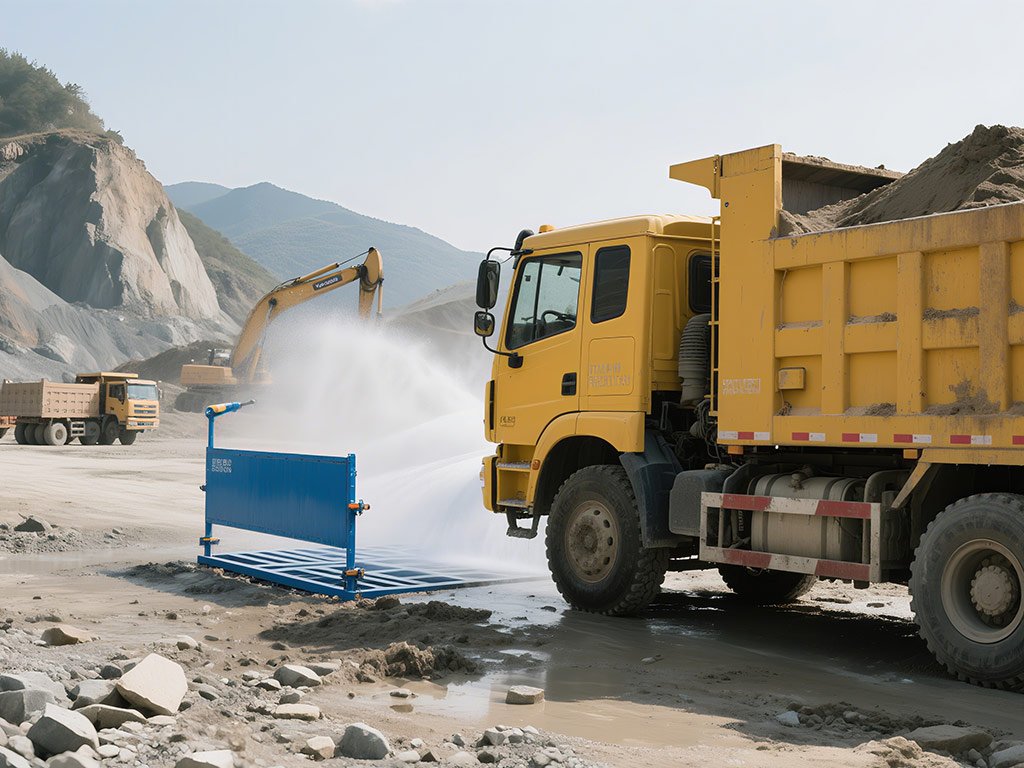
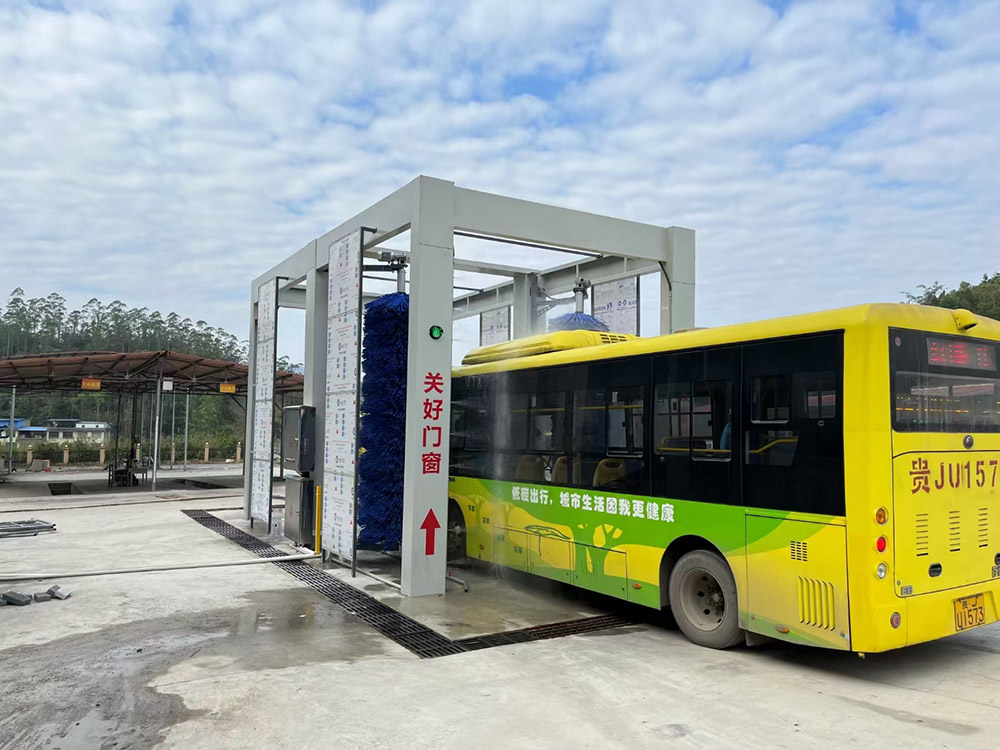
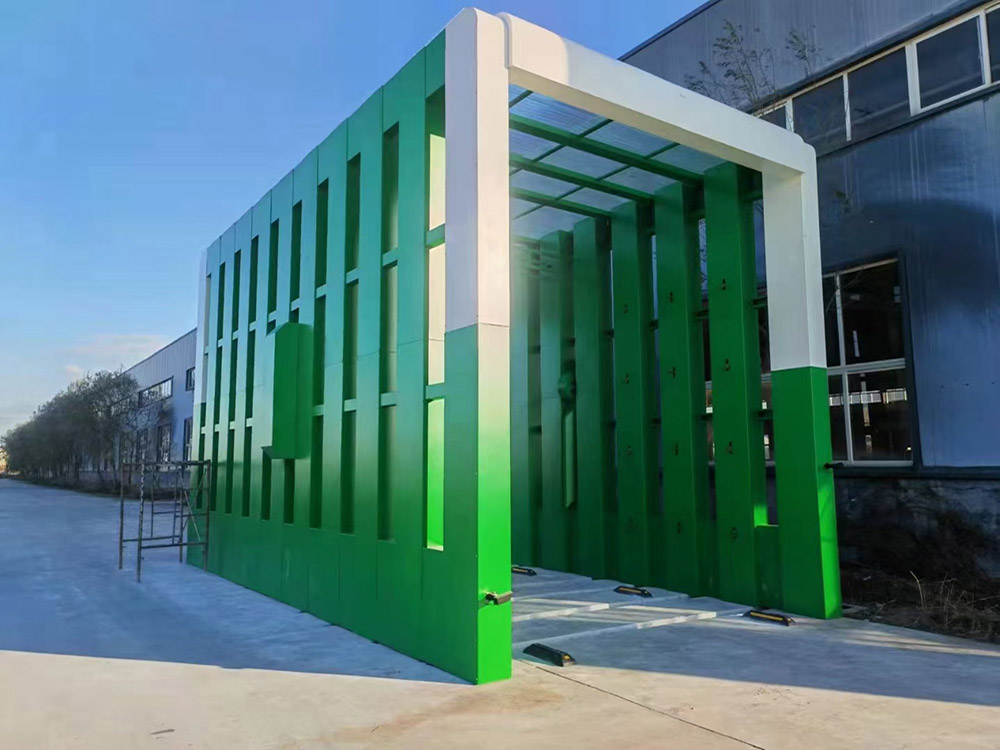
What options are available for ports specifically? There’s a range to suit different needs: stationary systems, perfect for high-volume traffic zones; portable units that offer flexible deployment; and fully automated setups integrated with vehicle tracking systems. The right choice boils down to site layout, how much traffic moves through, and specific cleaning requirements.
When rolling out a wheel wash solution, several critical factors come into play. Water usage rates, contaminated water treatment capabilities, durability in harsh marine conditions, and compatibility with existing operations all need careful evaluation. Ports also have to ensure the system can handle everything from heavy machinery to light trucks.
Maintenance is another make-or-break consideration. Regular checks of spray nozzles, pumps, and water recycling components keep the system running at its best. Investing in a solid maintenance schedule avoids costly downtime and extends the equipment’s lifespan—something every port operator values.
A leading container terminal in Singapore offers a compelling example of how well a properly implemented wheel wash system works. After installing a high-capacity automated unit with water recycling, they cut sediment discharge by 85%—and reduced water usage by 40% compared to their old manual cleaning process. The result? Better environmental compliance and improved efficiency, thanks to faster vehicle cleaning times.
In short, wheel wash machines have gone from “nice-to-have” to essential infrastructure for modern port terminals. By addressing environmental concerns without sacrificing operational efficiency, they’re a smart investment for any port committed to sustainable operations. And as technology advances, we can expect even more innovative solutions that boost cleaning power while minimizing environmental impact.



 Arabic
  English
  German
  French
  Portuguese
  Japanese
  Russian
  Italian
  Spanish