
For car wash business owners, investing in a tunnel car washing machine is a significant decision that directly impacts operational efficiency, customer satisfaction, and long-term profitability. With the right system, you can handle high volumes of vehicles while maintaining consistent cleaning quality; the wrong choice, however, may lead to frequent downtime, increased maintenance costs, and lost revenue. To help you make an informed decision, this guide breaks down the key features to prioritize when selecting a tunnel car washing machine for your business.
First and foremost, focus on the quality and durability of core components. The electronic control system is the “brain” of the machine, so prioritize systems with reliable circuit boards and comprehensive safety features, such as leakage protection, to prevent electrical hazards. Key mechanical parts like water pumps and motors should be built for heavy-duty use, as they directly affect the machine’s performance and lifespan. Additionally, the main frame material is crucial—look for corrosion-resistant materials like galvanized steel that can withstand constant exposure to water and cleaning chemicals, ensuring longevity in harsh working environments.
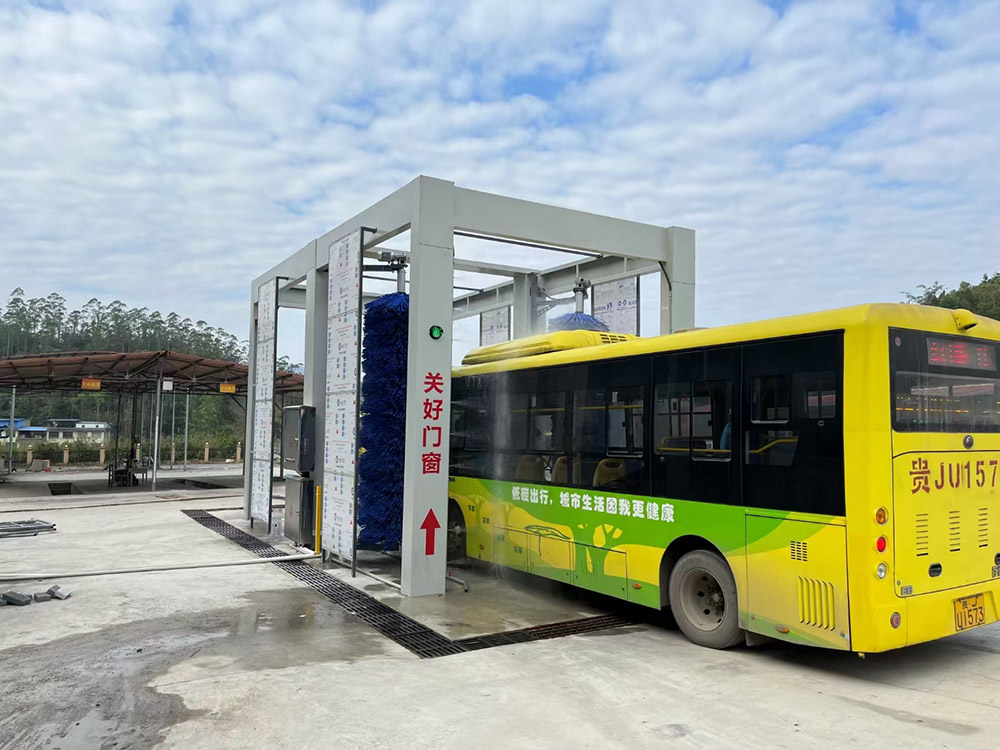
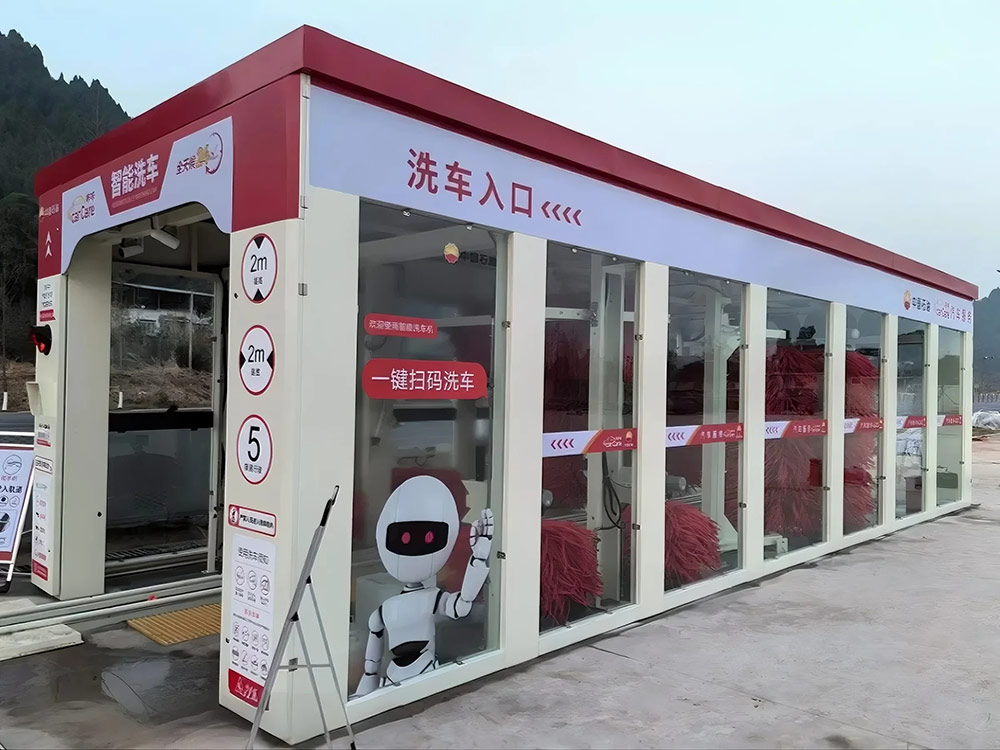
Next, consider the machine’s adaptability to your specific business needs. Tunnel car washing machines are designed for high-volume operations, typically handling 120+ vehicles per day, so assess your projected traffic to determine the appropriate throughput capacity. Brush type is another critical factor: nylon brushes offer durability but may be harsh on delicate paint finishes, while foam brushes provide a gentler clean with less risk of scratching. For most commercial operations, sixth-generation foam brushes strike a balance between cleaning effectiveness and paint safety. Also, evaluate the machine’s size and space requirements—ensure your facility can accommodate the tunnel length, which typically ranges from 80 to 120 feet for standard systems.
Operational efficiency and resource consumption should not be overlooked. Look for machines with water-saving technologies, as water costs and environmental regulations are growing concerns in the U.S. car wash industry. Systems with recirculation features can reduce water usage significantly without compromising cleaning quality. Energy efficiency is equally important; motors with high efficiency ratings will lower your monthly utility bills over time. Additionally, consider the machine’s ease of operation and maintenance—intuitive control panels reduce training time for staff, while accessible components simplify routine upkeep.
Finally, factor in scalability and future-proofing. Choose a system that allows for optional upgrades, such as additional cleaning stages (like waxing or polishing) or smart monitoring features, to adapt to changing customer demands. While budget is a practical consideration, prioritize value over upfront cost—investing in a high-quality machine may have a higher initial price tag but will reduce long-term maintenance expenses and downtime. By carefully evaluating these key features, you can select a tunnel car washing machine that aligns with your business goals and sets the foundation for efficient, profitable operations.


 Arabic
  English
  German
  French
  Portuguese
  Japanese
  Russian
  Italian
  Spanish