
For fleet managers tasked with maintaining a reliable and efficient operation, choosing the right bus washer machine is more than just a purchase—it’s an investment in long-term productivity and asset protection. Buses are critical assets, and their cleanliness directly impacts passenger experience, brand perception, and even vehicle longevity. With a variety of options available on the market, navigating the selection process requires a clear understanding of your fleet’s unique needs, operational constraints, and long-term goals. This guide breaks down the key factors to consider when choosing a bus washer machine, helping you make an informed decision that aligns with your fleet’s requirements.
First, assess your fleet’s specific cleaning needs. The size and type of buses in your fleet will significantly influence the type of washer machine you need. For example, a fleet of full-size transit buses will require a machine with a larger cleaning coverage and higher pressure capacity compared to a fleet of smaller shuttle buses. Additionally, consider the frequency of cleaning—fleet that operate in harsh environments, such as areas with heavy dust, salt, or rain, will need a more robust machine capable of handling frequent, deep cleanings. You should also evaluate the level of cleaning required: do you need a basic exterior wash to remove surface dirt, or a comprehensive cleaning that includes undercarriage washing to prevent corrosion?
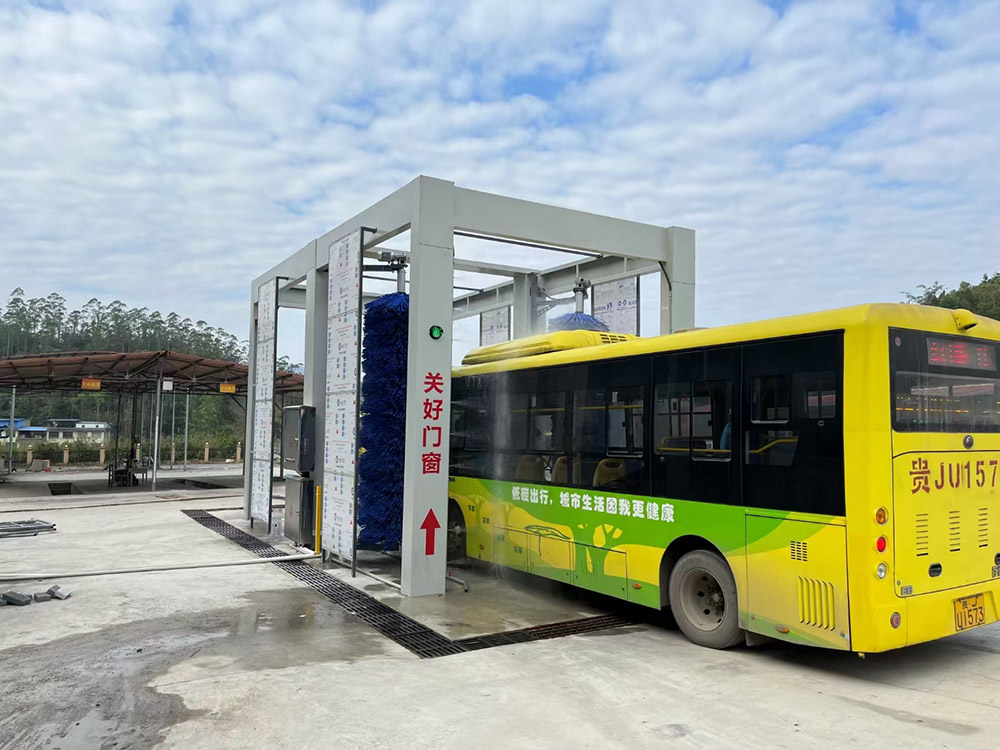
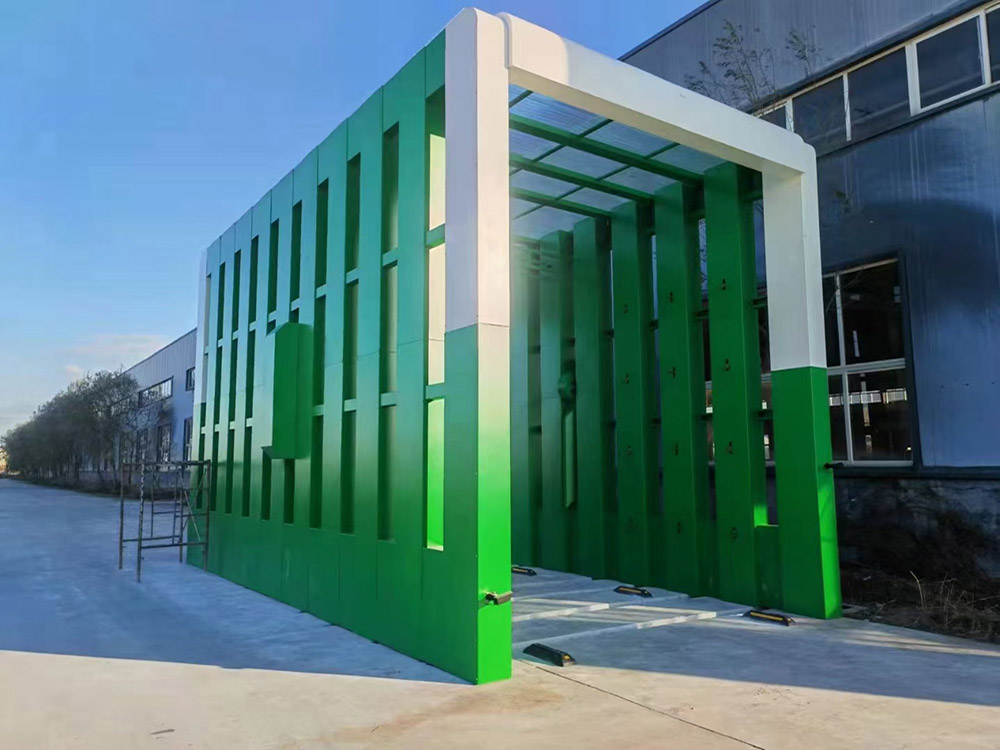
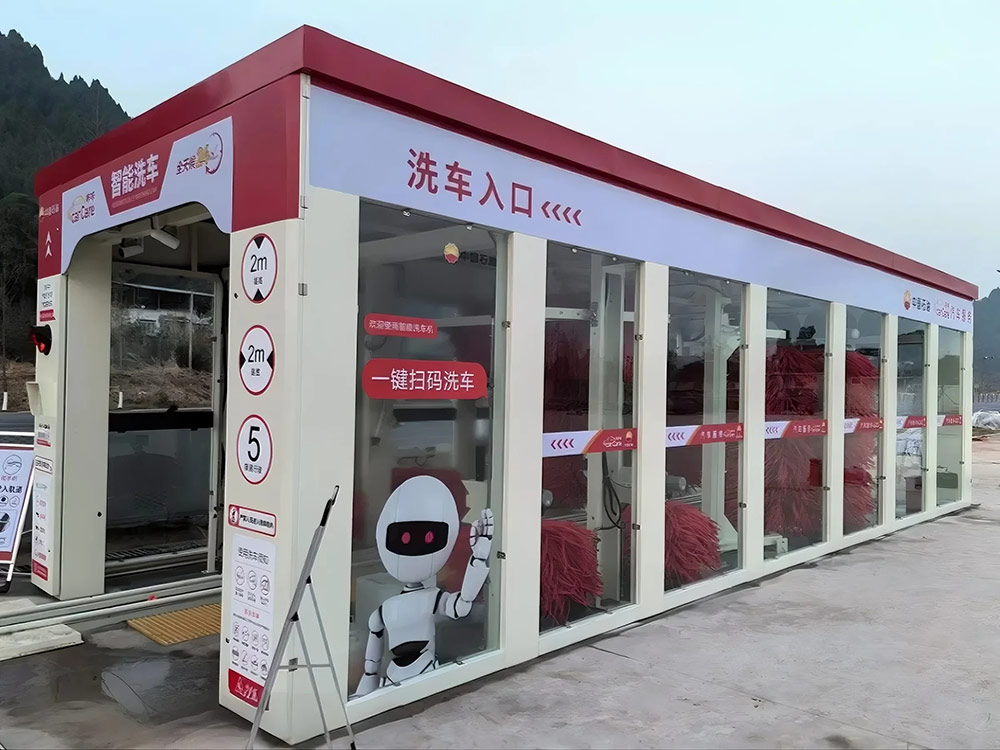
Next, consider the available space and installation requirements. Bus washer machines come in various configurations, including drive-through, stationary, and mobile models, each with different space and infrastructure needs. Drive-through systems are ideal for large fleets with high cleaning volumes, as they allow for efficient, continuous cleaning, but they require a significant amount of space and may need specialized plumbing and electrical setups. Stationary models are more compact, making them suitable for fleets with limited space, but they typically have a lower throughput. Mobile bus washer machines offer the greatest flexibility, as they can be moved to different locations within your facility, but they may have lower pressure and water capacity, making them better suited for small-scale or occasional cleaning tasks.
Water and energy efficiency are also critical factors to consider, especially as fleet operations increasingly focus on sustainability and cost reduction. Look for bus washer machines that are designed to minimize water usage, such as those with recirculation systems that filter and reuse water. Energy-efficient models, which use variable-speed motors or low-power components, can help reduce your utility bills over time. Additionally, consider the environmental impact of the cleaning solutions used with the machine—opt for systems that are compatible with biodegradable cleaners to comply with local regulations and reduce your carbon footprint.
Another key consideration is the machine’s ease of use and maintenance. A machine that is simple to operate will reduce training time for your staff and minimize the risk of errors or damage to the equipment or buses. Look for models with intuitive control panels, clear instructions, and automated features that streamline the cleaning process. Additionally, choose a machine that is easy to maintain, with accessible components and a design that minimizes wear and tear. Regular maintenance, such as filter changes, lubrication, and inspections, is essential to keep the machine running smoothly and extend its lifespan, so selecting a model that simplifies this process will save you time and money in the long run.
Finally, evaluate the total cost of ownership, not just the initial purchase price. While a lower-priced machine may seem like a cost-effective option upfront, it may end up costing more over time due to higher maintenance costs, lower efficiency, or a shorter lifespan. Consider factors such as the cost of replacement parts, repair services, water and energy consumption, and the machine’s expected lifespan when calculating the total cost of ownership. It’s also important to factor in any additional costs, such as installation, training, and compliance with local regulations.
Choosing the right bus washer machine requires a balanced approach that considers your fleet’s specific needs, operational constraints, and long-term goals. By assessing your cleaning requirements, evaluating space and installation needs, prioritizing efficiency and ease of use, and considering the total cost of ownership, you can select a machine that enhances your fleet’s operations, reduces costs, and protects your valuable assets. With the right equipment in place, you can ensure that your buses remain clean, reliable, and professional-looking, contributing to a positive passenger experience and a successful fleet operation.


 Arabic
  English
  German
  French
  Portuguese
  Japanese
  Russian
  Italian
  Spanish