
Tired of slaving over hand-scrubbing your wheels, only to watch road grime and brake dust reappear after your first drive? A wheel wash machine with a water recycling system might just be the game-changer you need. But with so many options flooding the market, how do you pick the one that’s right for you?
Why Bother Investing in a Wheel Wash Machine with Water Recycling?
If you’re a car lover, you’ve probably wondered if these systems are worth the cash—and the answer boils down to two big reasons. First, they clean way better than manual scrubbing. Those tough spots like baked-on brake dust and caked-on road grime that regular hand washes miss? These machines blast them away effortlessly. Second, the water recycling feature is a game-changer for both your wallet and the planet. It cuts water use by up to 80% compared to traditional washing methods. That’s not just eco-friendly—it slashes your water bills too, and the savings add up fast.
What Kinds of Wheel Wash Machines Are Out There?
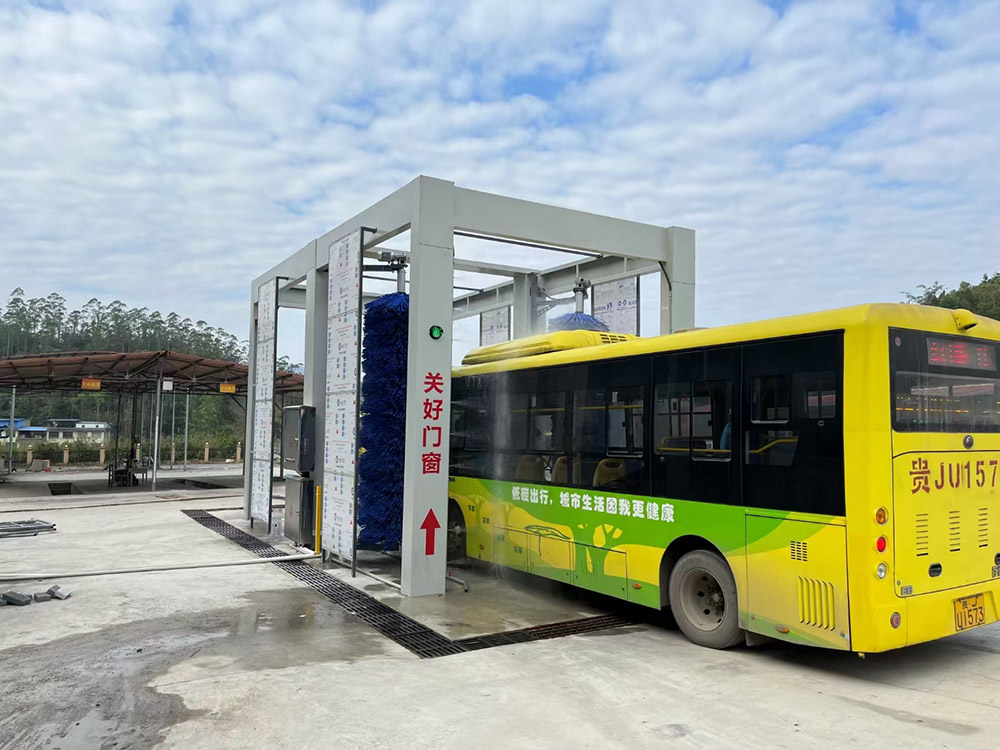
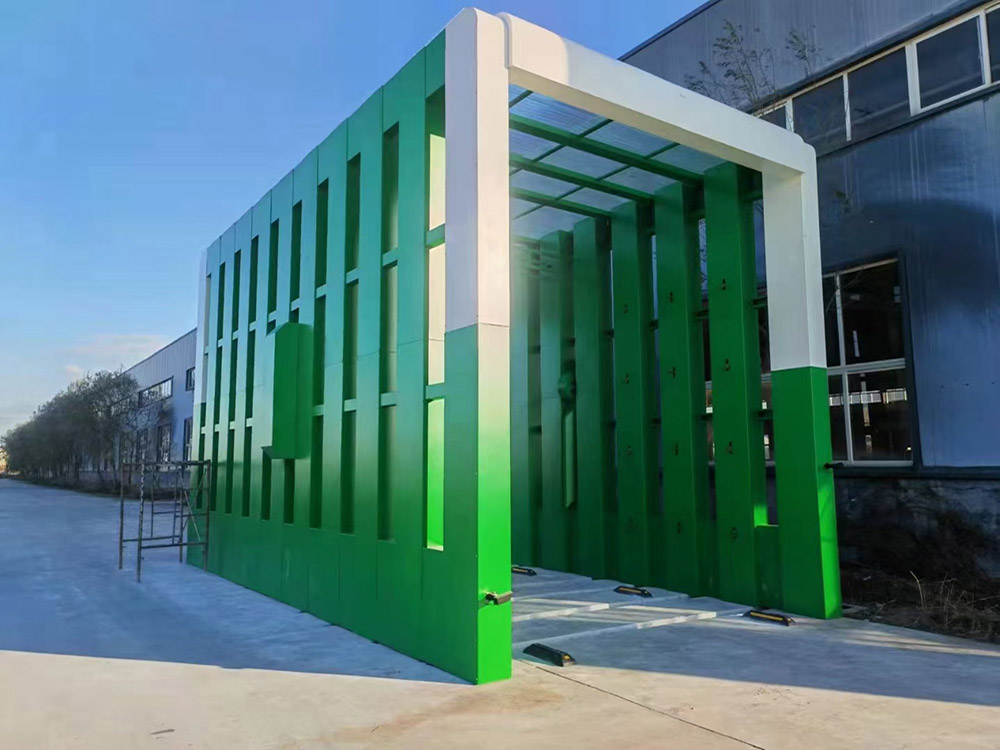
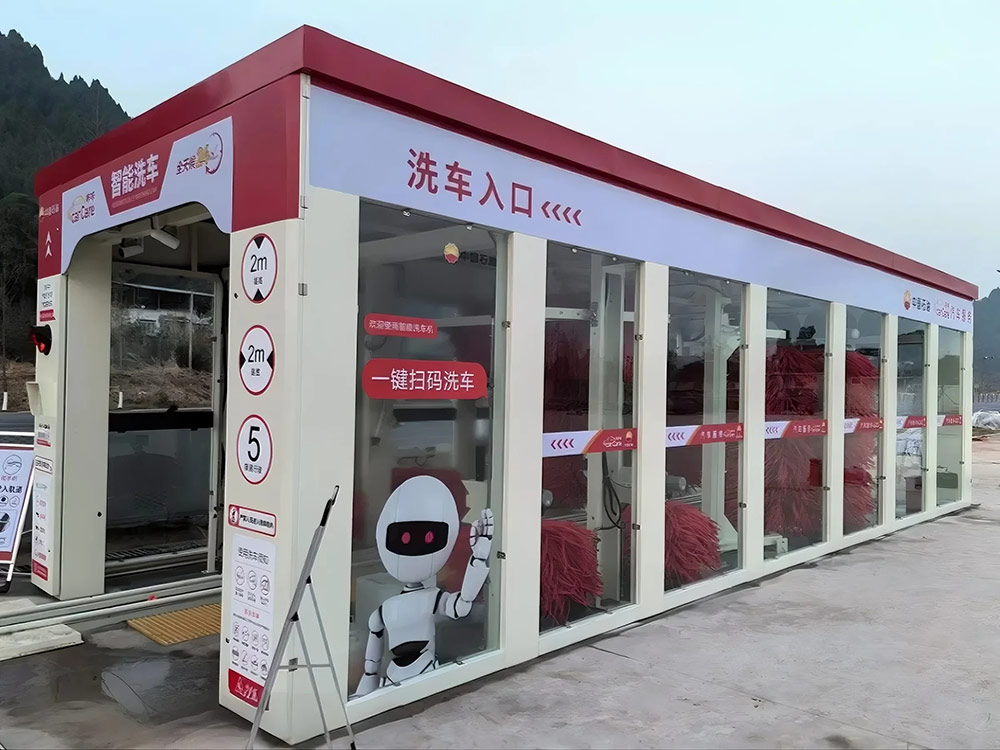
When you start shopping, you’ll notice a few key types—and knowing the differences helps narrow things down. Portable models are perfect for home garages: they’re compact, easy to store, and great for casual use. On the flip side, commercial-grade units are built for busy auto shops or fleet operations—they pack more power, handle higher volumes, and are built to last through constant use.
Operation-wise, some are fully automatic: they use sensors to detect wheel size and adjust pressure or spray patterns on their own. Others are manual, giving you more control (great if you’re a detail-oriented cleaner). And the recycling tech varies too: basic systems filter out large debris like gravel and mud, while top-tier ones use multi-stage filtration—think carbon filters and UV sterilization—to keep water clean enough for repeated use.
Key Things to Check Before You Buy
Don’t hit “add to cart” without weighing these critical factors—they’ll make or break your experience:
– Pressure rating (PSI): This is all about cleaning power. Higher PSI means more oomph to tackle tough, stuck-on dirt. For home use, 1,500–2,500 PSI usually does the trick; commercial setups often go 3,000 PSI or higher.
– Water recycling capacity & filtration: Check how much water the system can hold and recycle—bigger tanks mean less frequent refills. And prioritize multi-stage filtration if you want water that stays clean long-term.
– Maintenance & durability: Look for models with easy-to-clean filters and sturdy builds (stainless steel or heavy-duty plastic works best). The last thing you want is a machine that breaks down after a few months.
– Noise level: This matters if you’re using it in a neighborhood—some budget models are surprisingly loud. Opt for ones labeled “quiet operation” if you don’t want to annoy the neighbors.
– Space: Measure your garage or workspace first! Portable units fit in tight spots, but commercial models need room to maneuver—plus space for the water tank and drainage.
Real User Insights
“I was skeptical at first—thought it was just another overhyped gadget,” admits Michael, a car detailing fanatic from California who’s tried every at-home cleaning hack. “But this machine changed my whole routine. The results are legit professional-grade—my wheels shine like they’re fresh from the dealership. And the water savings? I was shocked. My bill dropped by nearly 30%, and the upfront cost paid for itself in just six months between water savings and the hours I no longer spend scrubbing.”
Environmental & Financial Perks
Beyond making your life easier, these systems do right by the planet. Recycling water eases pressure on local water supplies and cuts down on runoff—those dirty, chemical-laden suds that end up in drains or gardens. And financially? Many local councils (or municipalities, for our U.S. readers) offer rebates for installing water-efficient equipment, which sweetens the deal even more.
For businesses like auto shops or fleet managers, the benefits are even bigger: using less water means you can wash more vehicles in less time, which directly boosts your bottom line.
At the end of the day, don’t skimp on quality for a cheaper price tag. A well-built wheel wash machine with water recycling will deliver consistent results for years—and that’s an investment that pays off, whether you’re a home enthusiast or a business owner.
 Arabic
  English
  German
  French
  Portuguese
  Japanese
  Russian
  Italian
  Spanish