
Wheel Wash for Off-Road Mining Trucks: Enhancing Hygiene and Efficiency in Mining Operations
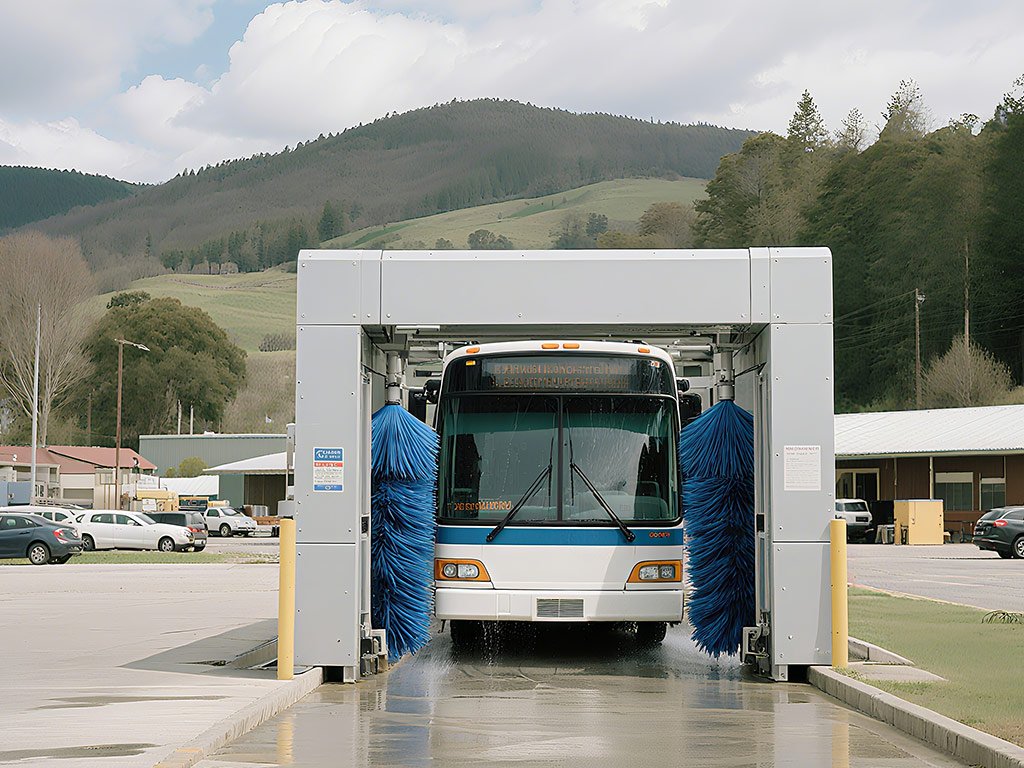
Off-road mining operations are among the most demanding environments in the industrial sector. Heavy machinery, such as mining trucks, operates in harsh conditions, often leaving behind mud, debris, and contaminants that can affect both hygiene and operational efficiency. One critical solution to address these challenges is the implementation of wheel wash systems for off-road mining trucks. But what exactly are the benefits of this technology, and how can it transform mining operations?
Why Is Wheel Hygiene Important in Mining?
Mining trucks traverse dusty, muddy, and rough terrains, picking up pollutants that can harm equipment and the environment. Unwashed wheels not only increase wear and tear on machinery but also contribute to soil contamination and spreading of harmful bacteria. Additionally, dirty wheels can lead to reduced traction, affecting safety and performance. These issues underscore the need for an effective wheel washing system.
What Are the Challenges of Cleaning Off-Road Mining Trucks?
Manual wheel cleaning is labor-intensive, time-consuming, and often insufficient. Traditional methods may not remove heavy mud or hazardous materials effectively, leading to recurring maintenance issues. Furthermore, the lack of proper hygiene can result in higher fuel consumption due to reduced traction and increased mechanical stress. How, then, can mining companies overcome these obstacles?
How Does a Wheel Wash System Improve Efficiency?
Automated wheel wash systems are designed to tackle the unique challenges of off-road mining. These systems use high-pressure water jets, detergents, and scrubbers to remove dirt and debris from truck wheels and tires efficiently. By integrating wheel wash stations into the mining process, operators can:
– Reduce Maintenance Costs: Fewer mechanical issues mean less downtime and lower repair expenses.
– Enhance Safety: Clean wheels improve traction, reducing the risk of accidents on uneven terrain.
– Minimize Environmental Impact: Properly washed wheels prevent soil erosion and contamination.
– Optimize Machine Lifespan: Regular cleaning extends the life of tires and other components.
What Are the Key Features of an Effective Wheel Wash System?
For mining operations, a reliable wheel wash system should include:
– فوهات الضغط العالي: To dislodge tough mud and grime.
– Biodegradable Detergents: To ensure environmental safety.
– Overflow Collection Tanks: To manage excess water and sediment.
– Customizable Wash Patterns: To adapt to different truck sizes and cleaning needs.
Case Study: Success Stories in Mining Operations
Companies that have implemented wheel wash systems report significant improvements in both hygiene and efficiency. For example, a major mining operation in Australia reduced tire wear by 30% and cut maintenance costs by 20% after installing automated wheel wash stations. These results demonstrate the tangible benefits of investing in advanced cleaning technology.
Share Your Insights: The Future of Mining Hygiene
As the mining industry continues to evolve, maintaining hygiene and efficiency becomes increasingly critical. What are your thoughts on how wheel wash systems can further revolutionize off-road mining? Do you believe there are additional technologies that could complement this solution? Share your insights in the comments below—we’d love to hear from you!
In conclusion, wheel wash systems for off-road mining trucks are a game-changer for enhancing hygiene and operational efficiency. By addressing the challenges of dirty wheels, mining companies can save costs, improve safety, and reduce environmental impact. Investing in the right wheel wash technology is not just a smart choice—it’s a necessity for sustainable mining operations.

 Arabic
  English
  German
  French
  Portuguese
  Japanese
  Russian
  Italian
  Spanish